
Last updated November 21, 2026
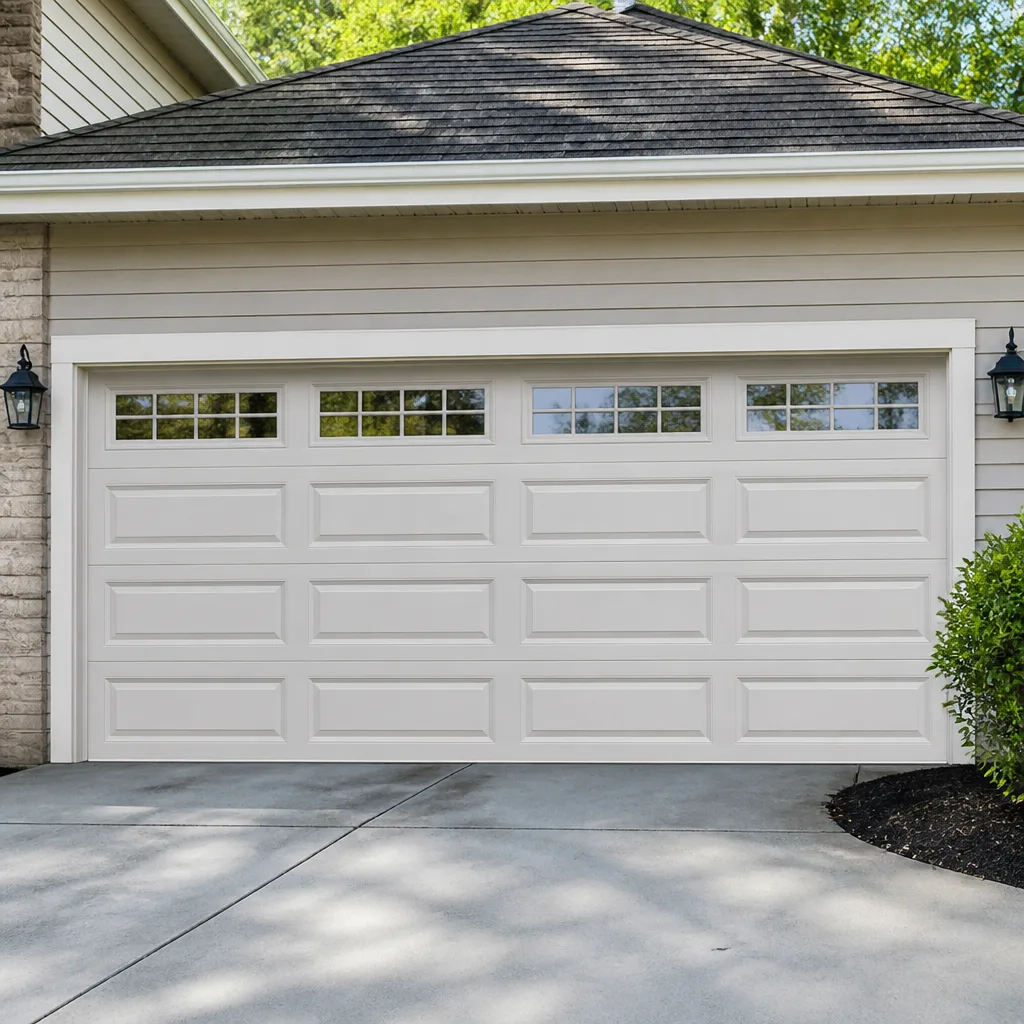 Raised-panel steel
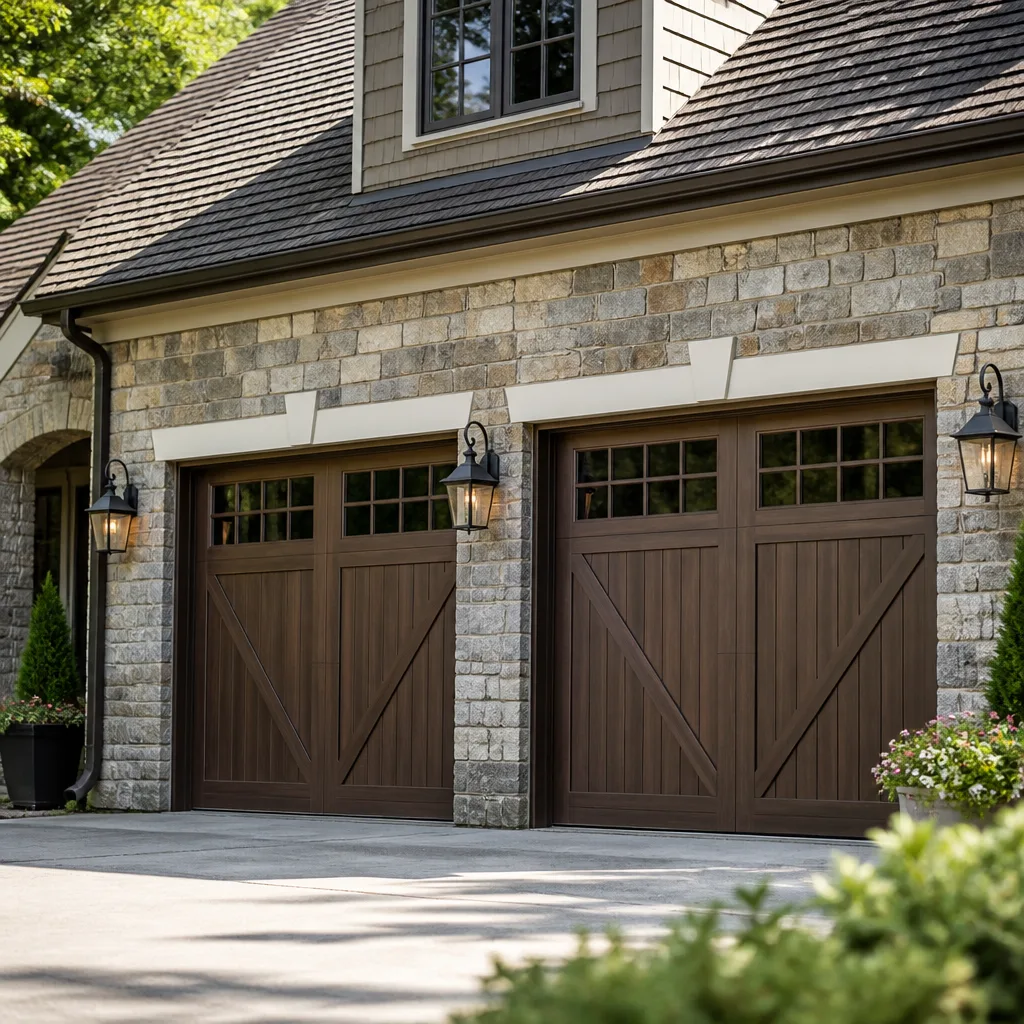 Carriage house
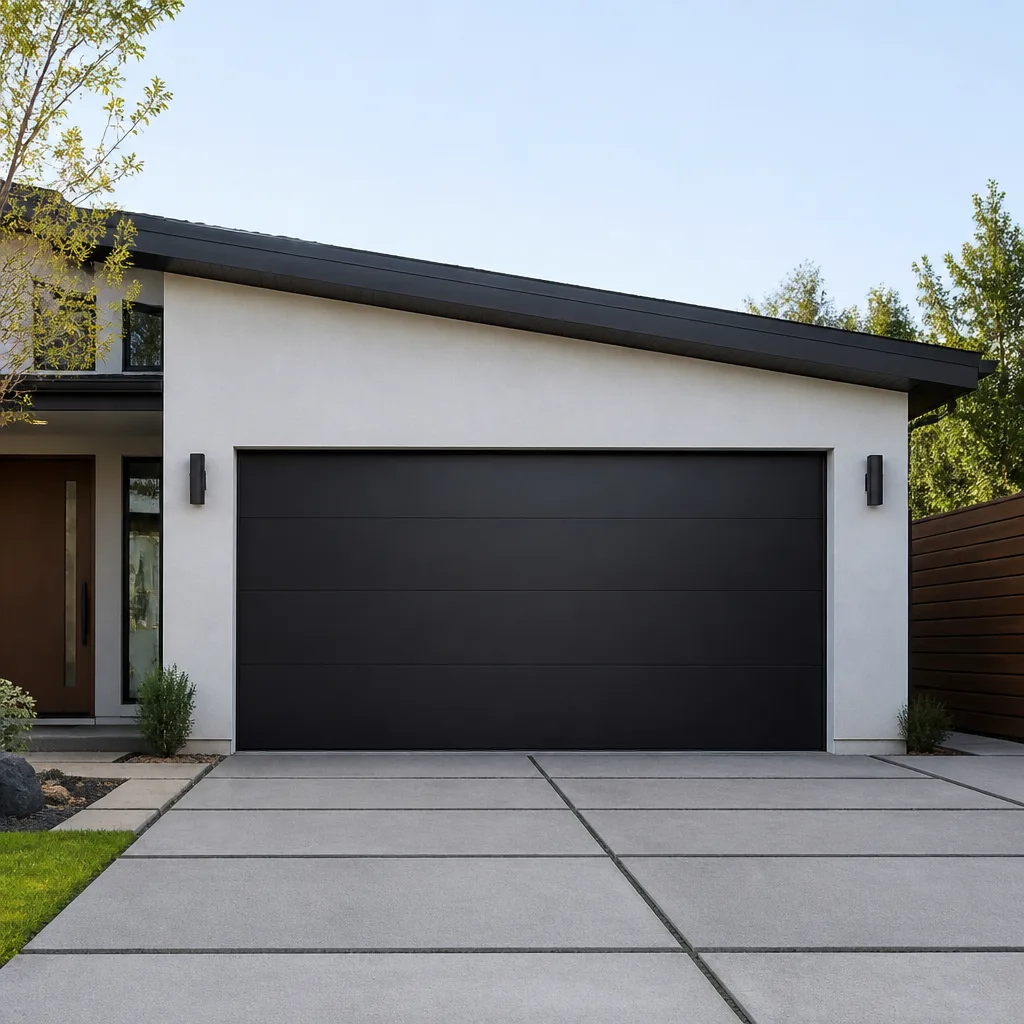 Modern flush
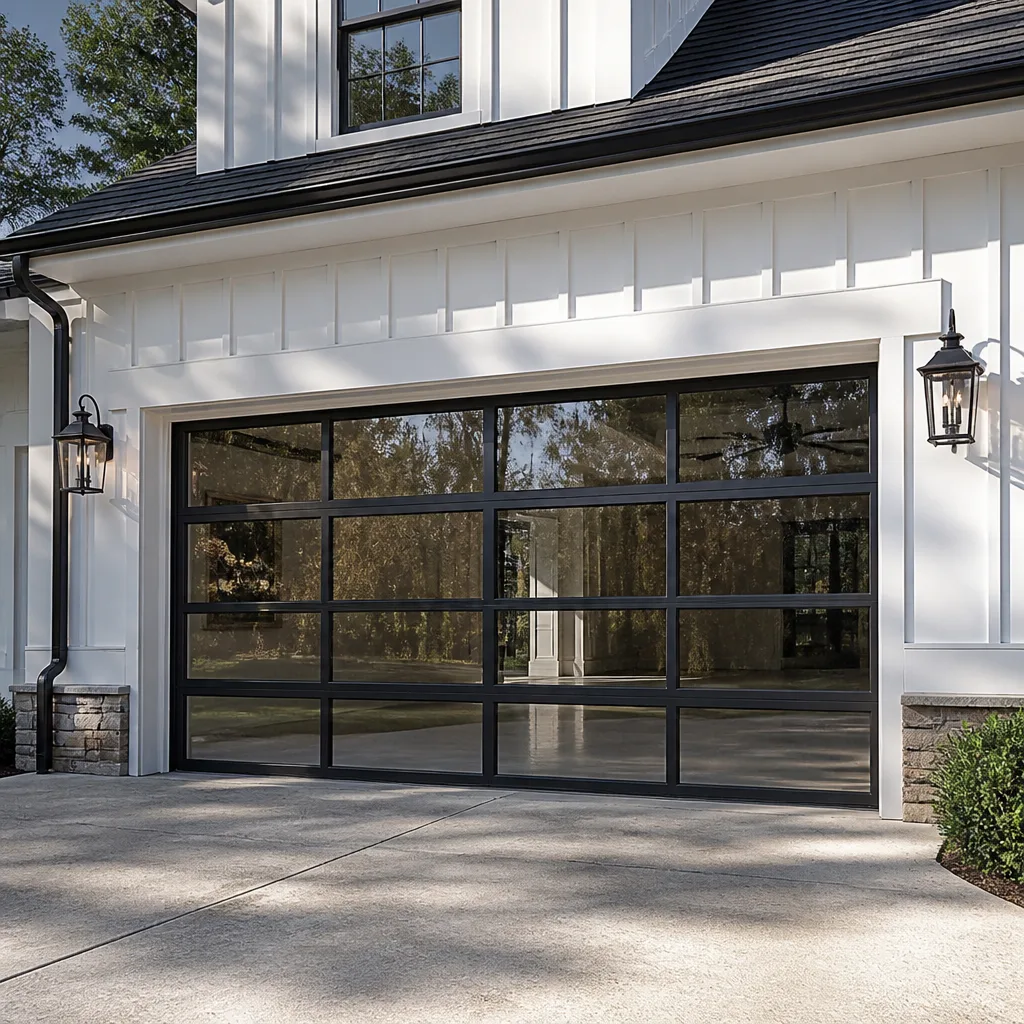 Full-view glass
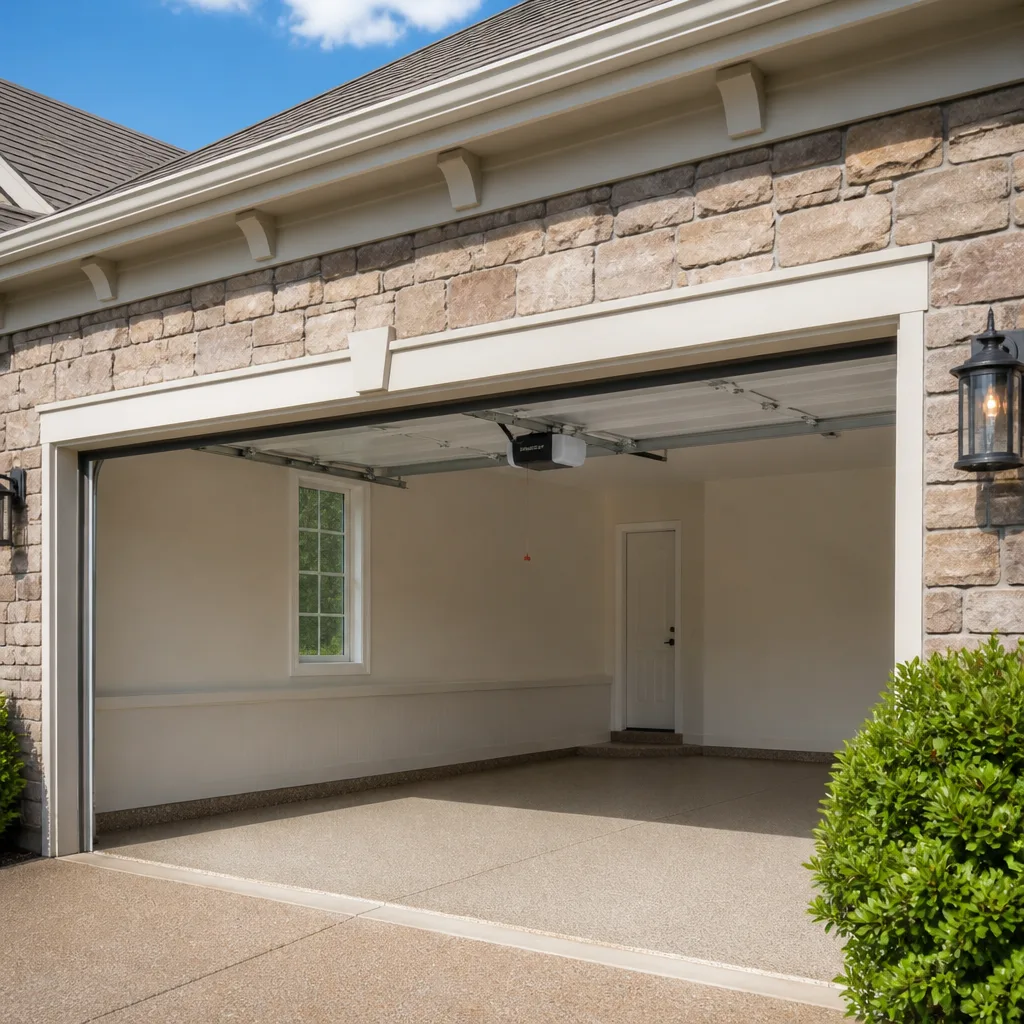 LiftMaster openers
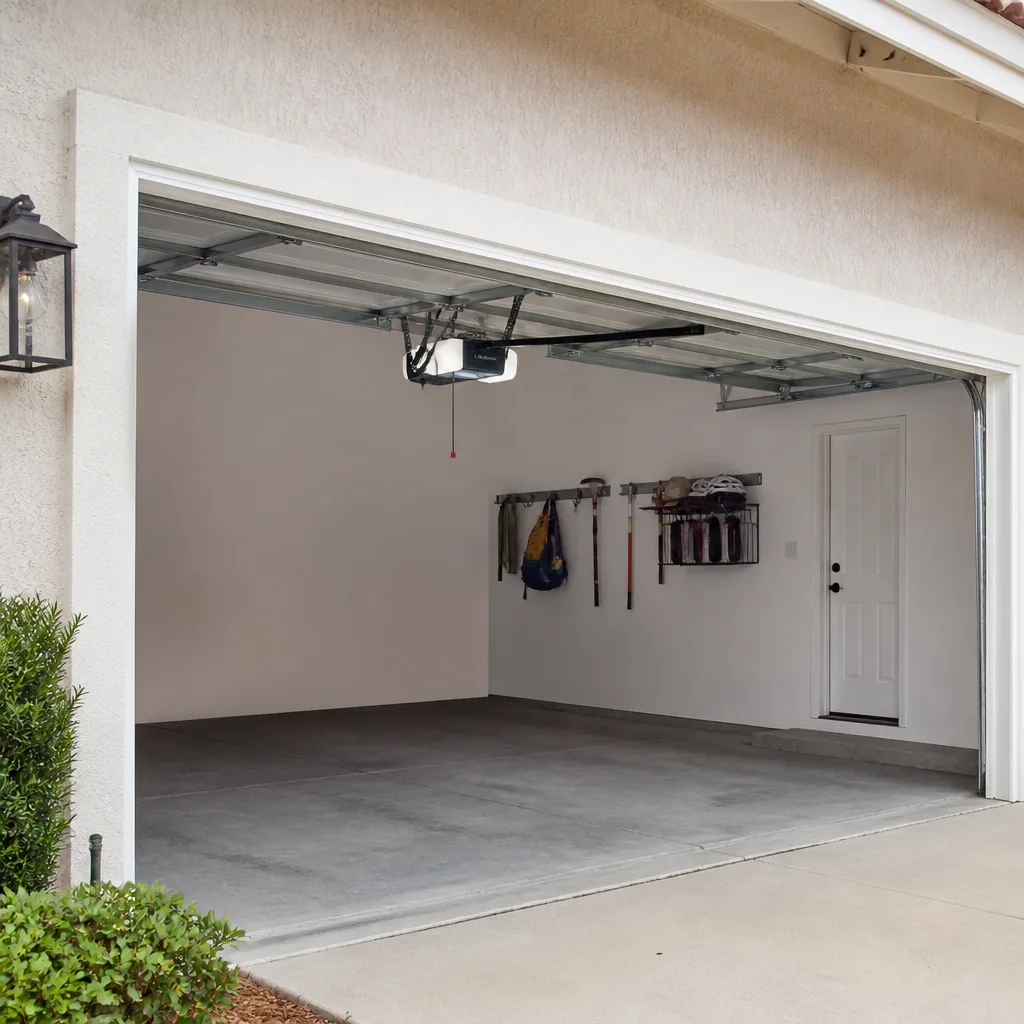 Chamberlain openers
Full 25-point door and opener safety check with every visit - springs, cables, rollers, tracks, and your LiftMaster or Chamberlain opener included
You get a price before we start. It does not change when the pro arrives.
Get your free estimateGarage Door Warning Signs: An Arlington Homeowner’s Reference Guide
A garage door that hesitates for two seconds before opening isn’t quirky. It’s a spring that’s lost enough tension to make the opener work at 140% capacity, and that’s how motors burn out. Most homeowners treat the first symptoms as a nuisance – a little noise, a slight pause, a door that doesn’t quite close flush – and by the time they call someone, what started as a $200 repair has grown into a $600 problem with a dead opener bolted to the ceiling. This guide is built to fix that pattern. It decodes the specific sounds, movements, and visual cues that point to a specific failing component, so when you call a technician you can describe exactly what’s happening. Arlington homeowners deal with humid summers and cold snaps that work hinges and springs harder than most, and the symptoms below show up here constantly.
Quick Answer
The most reliable garage door warning signs are a door that hesitates before moving, grinding or popping sounds during operation, a door that reverses before touching the ground, visible cable fraying, and a door that won’t stay open past the halfway point. Each symptom points to a specific component – spring tension loss, roller or track wear, opener force settings, or a cable about to fail – and matching the symptom to the cause is what turns a vague “it’s making a noise” into a repair that gets done right the first time.
Styles & brands we work with
- Raised-panel steel
- Carriage house
- Modern flush
- Full-view glass
- LiftMaster openers
- Chamberlain openers
Table of Contents
- The Symptom-to-Cause Index: What That Sound Actually Means
- Visual Diagnostics: What to Look For From Ground Level
- The Balance Test: Reading Spring Wear Before the Spring Breaks
- Opener Behavior as a Clue to Mechanical Problems
- Cables, Rollers, and Tracks: The Wear Items Homeowners Miss
- How Arlington’s Climate Ages a Garage Door
- How to Describe the Problem So the First Visit Is the Repair
- Why Some of These Checks Stop at Looking
The Symptom-to-Cause Index: What That Sound Actually Means
Noise is information. A garage door system produces a predictable set of sounds, and each one narrows the diagnosis fast. Here’s how we map what Arlington homeowners describe to what’s usually wrong.
- Grinding, high-pitched and steady: usually rollers that have lost their bearings or a torsion bar with dry, worn bearings. Common on older doors where the rollers have never been replaced.
- Loud pop or bang from above the door: a torsion spring that has just snapped. The door may still move a few inches if the opener is fighting an unbalanced load, but it won’t lift. This is the moment to stop using the door entirely.
- Scraping along one side: the door is off its track or a roller has come out of the channel. You can often see a gap between the roller and the track from ground level.
- Rattling that gets worse over months: loose hinge bolts, a worn bottom bracket, or panels that have worked loose from humidity-driven expansion.
- Clicking near the opener head: a gear or sprocket inside the opener wearing down, common on older chain-drive units from Chamberlain or Genie.
- Creaking that only happens in cold weather: stiff, dry rollers and hinges. Northern Virginia’s winter cold thickens lubricant and tightens clearances.
The distinction matters because a rattle and a bang mean very different things. A rattle is a maintenance item. A bang is a safety event. If you hear the bang, don’t cycle the door again to “check” – the spring is the only thing holding the door’s weight, and a door with a broken spring can come down hard.
Visual Diagnostics: What to Look For From Ground Level
You don’t need to climb a ladder to catch most serious wear. Standing on the driveway with the door closed, then open, you can inspect four things safely.
- The cables. Look at the vertical cables running down each side. A healthy cable is a tight, even coil of clean wire. A cable that’s about to fail shows kinks, stray strands standing out from the coil, or rust at the drum end. A cable that only needs adjustment rides loosely or sits slack against the door. If you see stray strands or a kink, treat it as a fail-imminent condition and keep people and vehicles clear of the door.
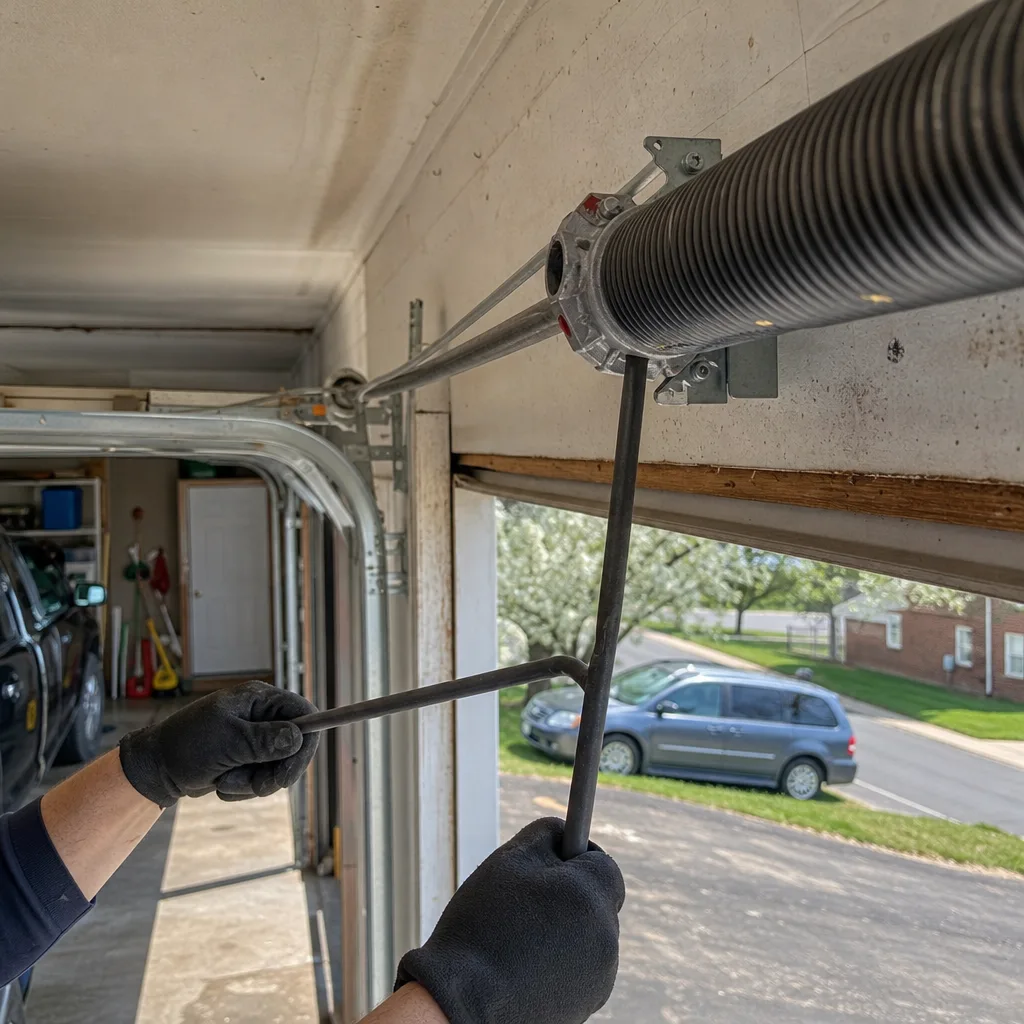
- The springs. A torsion spring above the door should be one continuous coil with an even gap between windings. A visible gap in the middle of the coil means the spring has broken. Extension springs along the sides should look straight; if one is stretched longer than the other, the pair is wearing unevenly.
- The rollers and hinges. With the door open, rollers should sit cleanly inside the track. A roller with a flat spot, a cracked nylon wheel, or a wobble in the stem is due for replacement. Hinges should be tight to the panel.
- The tracks. Run your eye down each vertical track. A track that’s bent, dented, or pulled away from the jamb at the bracket will drag the door for its whole travel.
Panels matter too. In Arlington’s older neighborhoods, plenty of homes have wood or steel doors that have absorbed years of summer humidity. A panel that’s warped or separated at the joint changes the door’s balance and puts extra load on the opener every single cycle.
The Balance Test: Reading Spring Wear Before the Spring Breaks
Springs don’t fail at random. They lose tension gradually, and that loss is measurable with a simple manual test – if you do it safely. The balance test tells you how much work the opener is doing that the springs should be doing.
How to run it:
- Disconnect the opener using the release cord so the door is on manual operation only.
- Lift the door by hand to about halfway and stop. Let go gently.
- A healthy, balanced door stays roughly where you left it, or drifts only slightly.
- A door that slams down or drops fast means the springs have lost tension and the opener has been carrying the weight.
- Lift the door to fully open and back down by hand if you can do so comfortably. If it’s heavy, stiff, or fights you the whole way, stop and book a technician.
What this reveals is subtle but important. A door that drops on the test is one the opener has been dragging up and lowering for months. That’s why the motor dies right after a spring problem is ignored – the spring was the warning, and the opener was the casualty. Springs are serious, and this test is where you find out whether yours are on borrowed time. If the door won’t lift at all or the test feels unsafe, don’t force it. Call a professional. For a closer look at what spring replacement involves, our garage door spring repair page covers the job from start to finish.
Opener Behavior as a Clue to Mechanical Problems
Homeowners often blame the opener when the door misbehaves. Most of the time the opener is reporting a mechanical problem, not causing one. The motor senses resistance and reacts according to its force and travel settings – which means its odd behaviors are a diagnostic readout.
- The door reverses before hitting the floor: either the safety sensors are misaligned or obstructed, or the door is binding on something in the last few inches of travel. Check the sensor lights first; if they’re solid, the problem is mechanical.
- The door reverses on the way up: usually the opener hitting its force limit because the springs have weakened or the door is dragging on a track. The motor thinks it hit an obstruction.
- The door moves slowly or labors: on a chain-drive or belt-drive unit, sluggish travel almost always means increased resistance in the door hardware, not the motor. Worn rollers, dry hinges, or a track out of alignment.
- The door stops partway and won’t close fully: travel limits drifted, or again, force limits tripping on binding hardware. A smart opener from LiftMaster or Chamberlain often logs this as an obstruction fault.
- The opener runs but the door doesn’t move: a broken spring, a snapped cable, or a stripped gear in the opener head.
If you’re troubleshooting the opener itself – remote pairing, sensor alignment, travel limit adjustments – our garage door opener repair page walks through the common fixes. But if the door moves oddly even by hand, with the opener disconnected, the problem is in the door, not the electronics, and no amount of opener adjustment will fix it.
Cables, Rollers, and Tracks: The Wear Items Homeowners Miss
Springs get the attention because they break loudly. Cables, rollers, and tracks fail quietly, and they cause most of the grinding and scraping sounds people describe. Here’s the wear pattern to know.
Cables. Each cable runs from the bottom corner bracket up to a drum at the top of the door. Under tension, a healthy cable is taut. A failing cable shows kinks, frayed strands, or rust streaks. Cables are under the same dangerous tension as springs and are never a DIY item – if you suspect a cable is failing, stop using the door and get a technician out.
Rollers. Ten to twelve rollers carry the door through the track. Steel rollers get noisy and flat-spotted. Nylon rollers wear quietly but crack. Either way, when one roller seizes, it grinds against the track on every cycle. Rollers are inexpensive, and replacing a set is one of the highest-value maintenance items on a garage door.
Hinges and brackets. The hinges connecting panels take the most stress of any hardware on the door. Loose hinge screws, a bent hinge, or a worn bottom bracket all produce rattles and throws off panel alignment.
Tracks. Vertical and horizontal tracks should be straight and securely attached. A dented track, or one that’s been knocked out of alignment by a car bumper or a leaning ladder, drags the whole door.
These are consistent wear items regardless of brand. We work on Clopay, Amarr, Chamberlain, and Genie equipment regularly, and the wear pattern holds across all of them – the brand determines the parts, not which pieces wear out first.
How Arlington’s Climate Ages a Garage Door
Arlington’s weather is hard on garage door hardware in a specific way. Summers are hot and humid, and that humidity does two things to a wood or steel door: it swells the panels and it works its way into hinges and rollers, thinning lubricant and speeding corrosion. Winters bring cold snaps that contract metal, stiffen grease, and put extra load on springs that were already near the end of their range. Then the freeze-thaw cycles of late winter and early spring loosen brackets and shift tracks a fraction of an inch, which is often enough to start a scraping sound.
That combination means the warning signs show up here at predictable times. Grinding and creaking tend to surface in the first cold week of the year. Rattles from loosened hardware show up in spring. Doors that suddenly reverse or stop short tend to happen in the heat of July and August, when swollen panels bind on the tracks.
Neighborhoods with older housing stock carry the heaviest wear. Homes in Ashton Heights and Lyon Village often have original wood doors that have absorbed decades of seasonal movement, and a door that has spent that long swelling and shrinking needs its hardware checked more often than a newer steel door in a development off Columbia Pike. In Ballston and Clarendon, where more homes have attached garages under living space, a misaligned door also means noise and vibration carrying into the house – which is often what finally gets a homeowner to call. When the issue turns out to be more than adjustment, our garage door repair service covers everything from hardware replacement to panel work.
How to Describe the Problem So the First Visit Is the Repair
This is the part most homeowners get wrong, and it’s the part that saves a second visit. When you call and say “it’s making a noise,” a technician has to come out, listen to the door cycle, and diagnose from scratch. When you call and say “there’s a high grinding sound on the left side as the door passes the halfway point, and the door drops fast on the balance test,” the technician brings the right parts and usually finishes the repair on the same visit. Here’s how to prepare a description that works.
- Note the timing of the symptom. Does it happen on the way up, on the way down, at a specific point in the travel, or only in cold weather?
- Note the location. Which side of the door, and roughly where – bottom, middle, top?
- Describe the sound precisely. Grinding, popping, scraping, rattling, clicking. Don’t be shy about the description; it narrows the diagnosis.
- Report the balance test result. Does the door hold at halfway, drift slowly, or drop?
- Note any opener behavior. Reversing, slow travel, not closing fully, sensor lights flashing.
- Have the brand and model info ready. The brand name is usually on a sticker inside the opener housing or on a label on the door panel. Knowing whether you have a Chamberlain, Genie, Clopay, or Amarr system tells the technician which parts line to pull.
One more practical tip: if your car is stuck inside or outside because the door won’t move, say so when you call. That changes the urgency of the visit and lets us plan the best route through the problem. Emergency garage door service is part of what we do – a door stuck open leaves the house exposed, and a door that’s stuck closed traps a car. Neither situation should wait a week for a callback.
Why Some of These Checks Stop at Looking
We want to be direct about where the safe homeowner checks end. Springs and cables are under extreme tension. A torsion spring is the only component holding the door’s weight, and a cable can release with enough force to break bones. No amount of online instruction makes those components safe to touch – not for a homeowner, and honestly, not for most general handymen. That’s why spring and cable work belongs with a specialist. The checks in this guide that involve touching the door are the balance test, and it’s safe because you’re not disassembling anything. Everything else is visual and auditory. If you see a broken spring, a frayed cable, or a door that’s off track, stop cycling the door and call someone who does this daily.
Common Mistakes to Avoid
- Calling the opener the problem when the door is the problem. If the door moves with resistance by hand, the opener is doing its job – it’s reporting a mechanical failure. Replacing the opener won’t fix a worn spring.
- Ignoring a hesitation. Two seconds of delay before the door starts moving means the opener is straining against lost spring tension. Every cycle compounds the strain on the motor.
- Cycling the door after a spring breaks. Running the opener on a door with a broken spring is how motors burn and how doors come down hard. Stop and book a repair.
- Tightening the cables yourself. Cables are under the same tension as springs. Loosening the wrong bolt is how serious injuries happen.
- Skipping lubrication on an older door. Hinges, rollers, and bearings need periodic lubrication. Dry hardware in Arlington’s humidity grinds faster and wears through more quickly.
- Assuming a squeak can wait until spring. Winter cold snaps accelerate spring fatigue. A door that’s nearing the end in October can fail in the first serious freeze.
- Not knowing your door’s brand. The model sticker inside the opener and on the door panel tells a technician a lot in ten seconds. Knowing whether you have a Chamberlain, Genie, Clopay, or Amarr system tells them which parts they can carry on the first visit.
See the difference
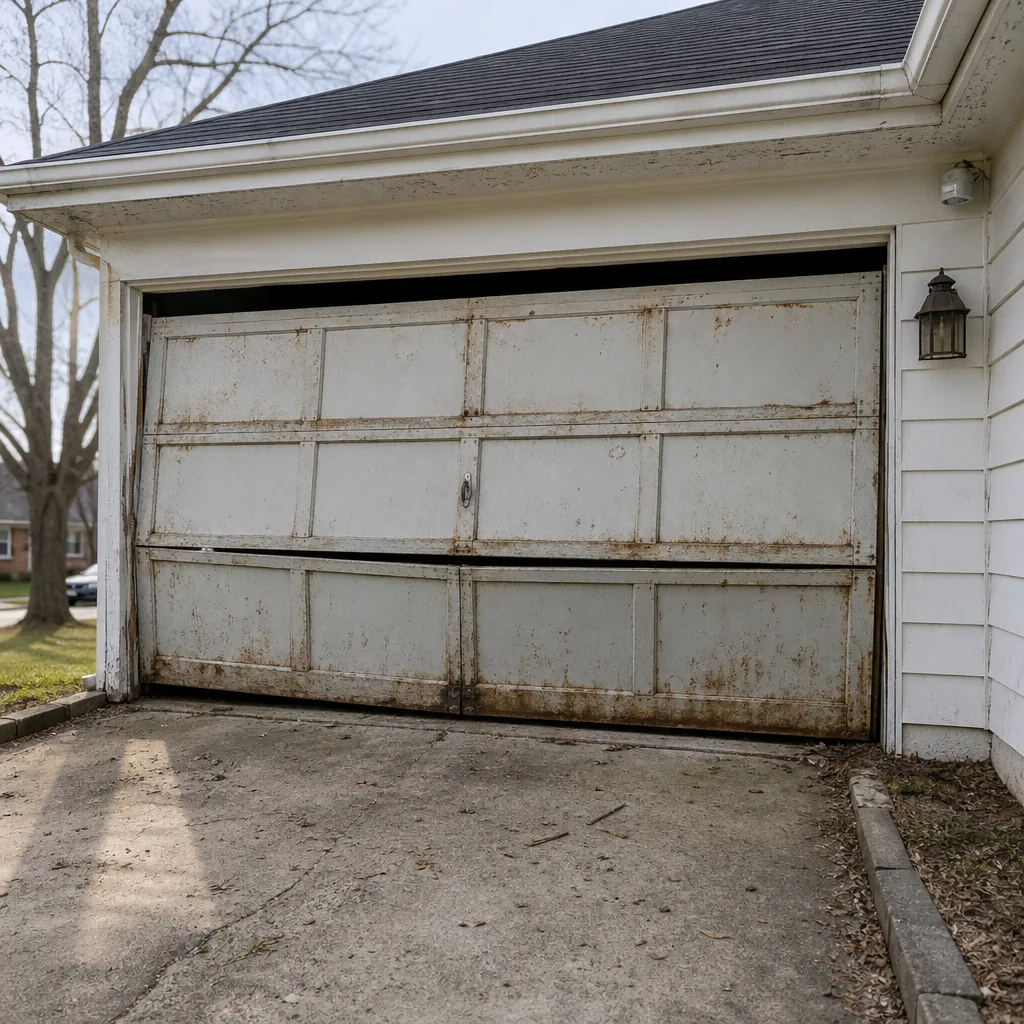 Before
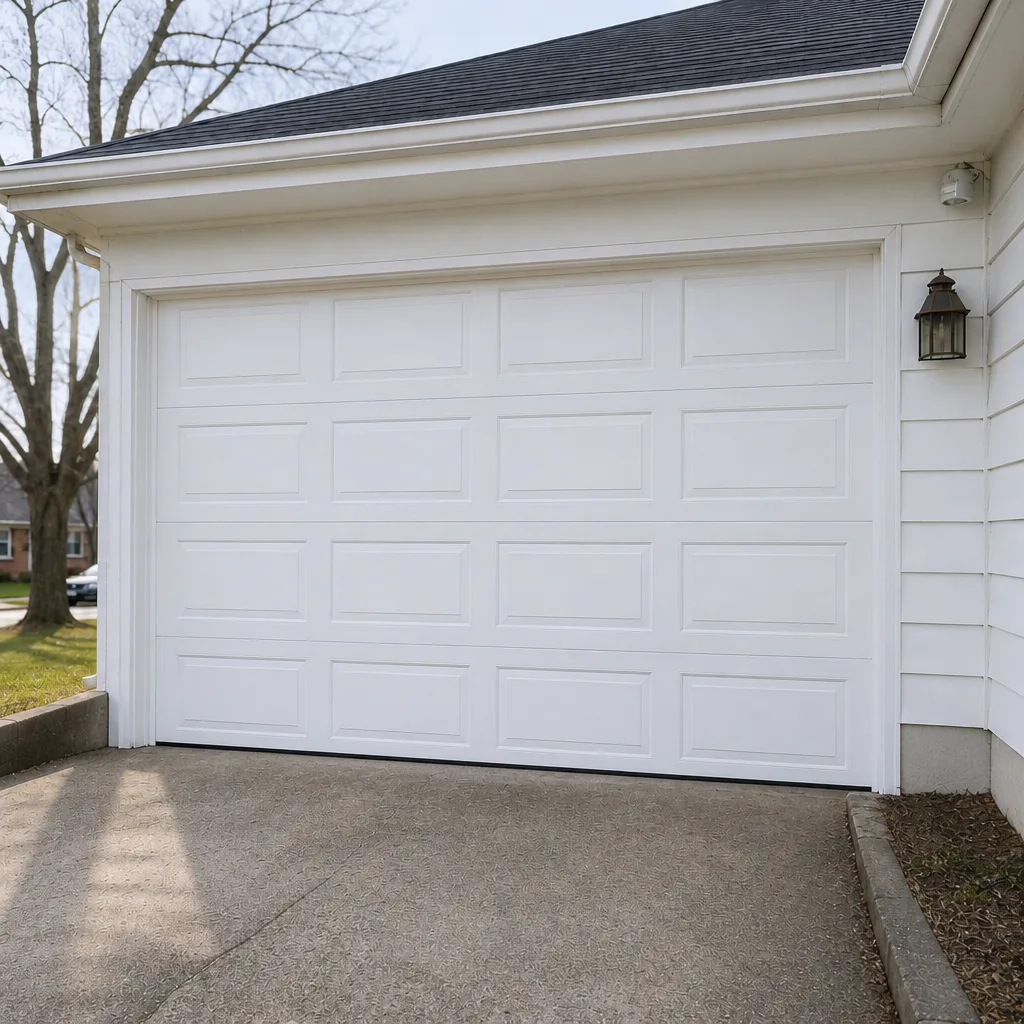 After
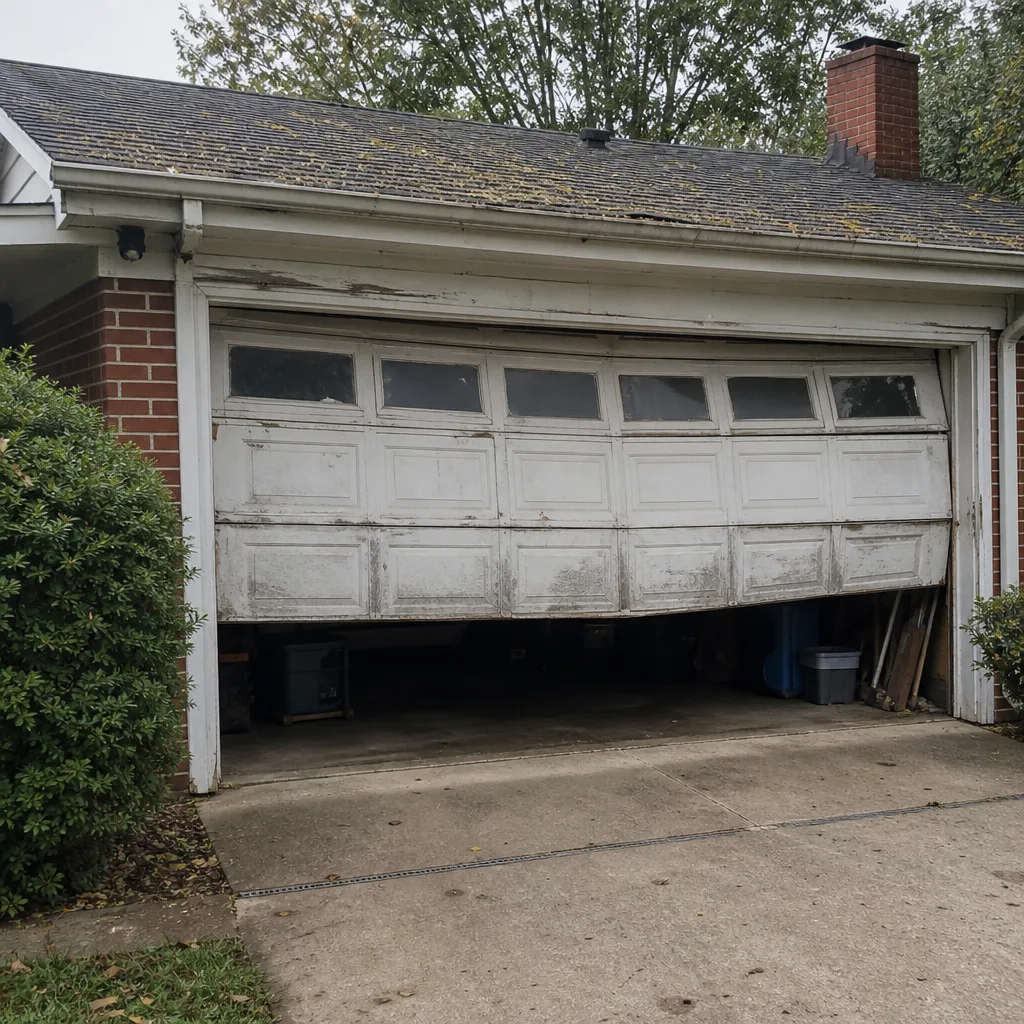 Before
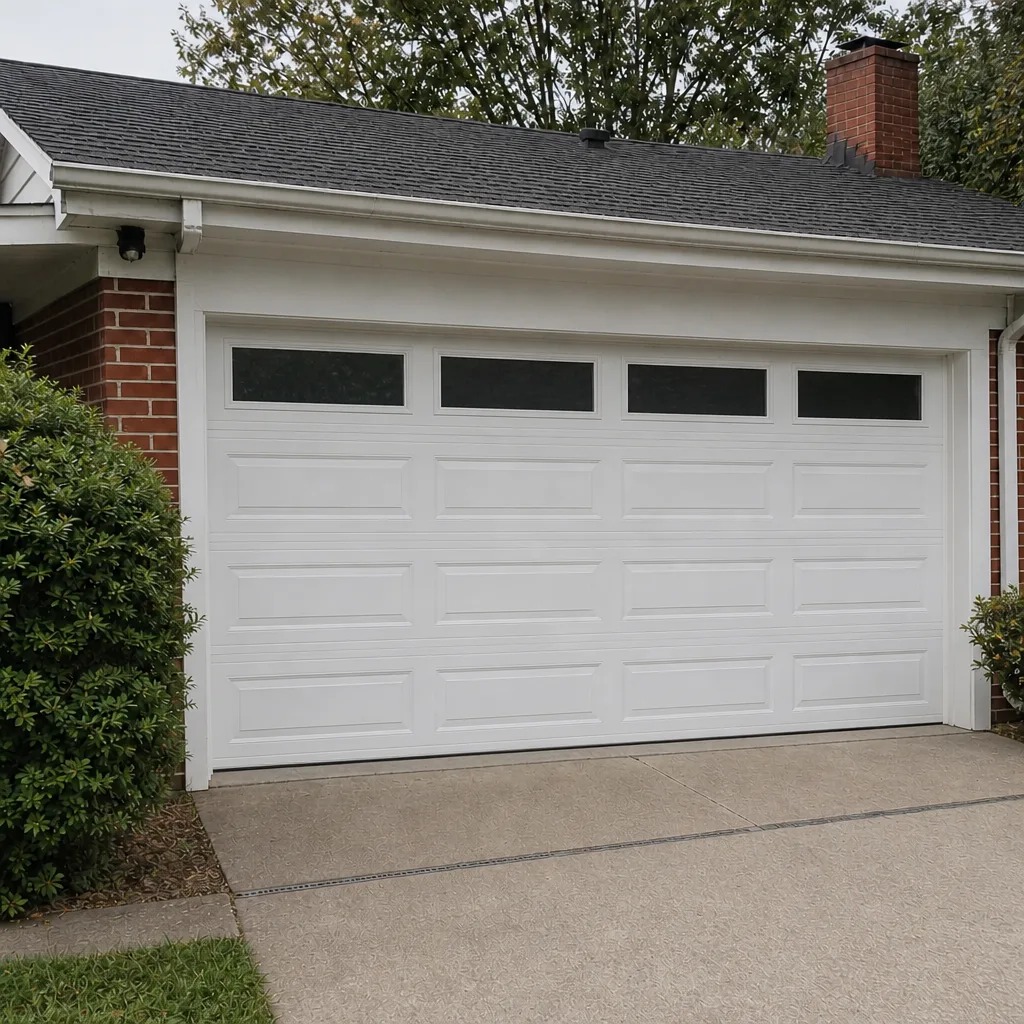 After
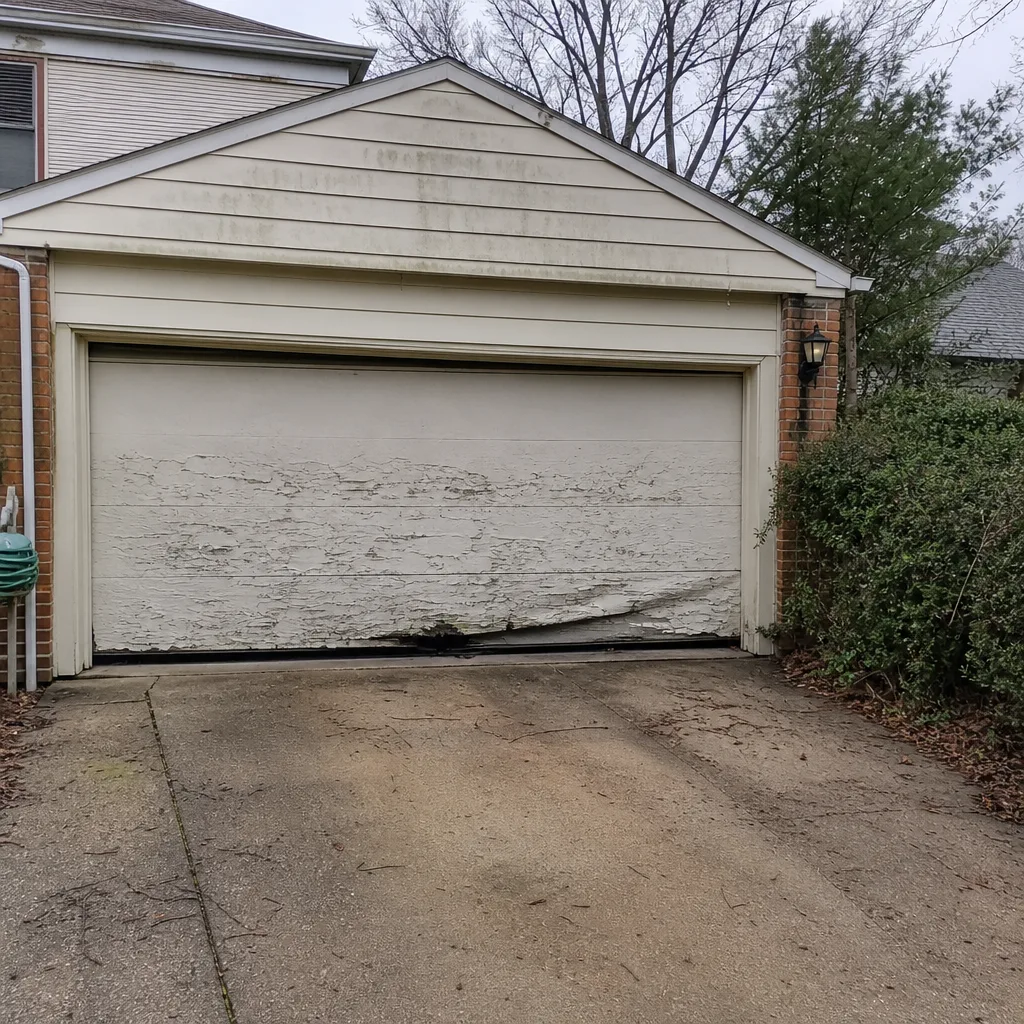 Before
 After
When to Call a Professional
Call for any of the following: a loud bang followed by a door that won’t lift, a door that’s visibly off its track, a frayed or kinked cable, a door that drops quickly on the balance test, an opener that reverses constantly, or a door that’s become too stiff to lift by hand. These are not maintenance items. They’re repair needs, and delaying them raises the cost and risks damage. For routine matters – a grinding roller, a rattle, opener force adjustments – the same call applies; a single visit can diagnose and fix most of them. Pryor Garage Door Repair offers free estimates in Arlington – call (844) 917-3733. We answer 24/7. Fast dispatch from 7am to 7pm, Sunday through Friday. Our technicians have up to 10 years of experience across eight major garage door brands, and every price is quoted and agreed before any work starts, so the written estimate is the price.
Frequently Asked Questions
A door that becomes noticeably heavier to lift by hand and doesn’t hold its position on the balance test is the earliest sign of spring wear. The door will often still open, which is exactly why it gets ignored. A visible gap in the torsion spring coil or a loud bang means the spring has already broken. Call (844) 917-3733 for an exact quote – estimates are free.
Check the sensor lights first. If both sensor indicator lights are solid and nothing is blocking the beam, the problem is almost always mechanical – the door binding on a track or a worn spring giving the opener inconsistent resistance. Both conditions are common in Arlington’s humid summers, when swollen panels start to drag. Call (844) 917-3733 to book a diagnostic visit – estimates are free.
Look for kinks, stray strands standing out from the cable coil, or rust at the drum end. A cable that’s only slightly slack needs adjustment; one with visible strand separation or a sharp kink is near failure. Stop using the door in that case. Call (844) 917-3733 – estimates are free.
A high-pitched, steady grind usually means worn or seized rollers or dry torsion bearings. A scrape along one side means a roller has come out of the track or the door has shifted. Both are repairable in a single visit if you describe the timing and location accurately. Call (844) 917-3733 – estimates are free.
No. Springs are under extreme tension and are one of the most dangerous repair jobs a homeowner can attempt. A torsion spring failure can cause serious injury, and a cable release under load can be worse. Spring work belongs with a trained technician. Call (844) 917-3733 – estimates are free.
No. The written estimate you agree to before any work starts is the price you pay. If the technician finds an additional problem during the visit, you’ll be told what it costs before anything else is done. Call (844) 917-3733 – estimates are free.
The Bottom Line
Garage door failures almost always announce themselves. The problem is that homeowners read a hesitation, a grind, or a rattle as a nuisance rather than a diagnosis, and the underlying cause gets worse until something breaks loudly. The symptom-to-cause index, the visual checks, the balance test, and a clear description of the problem are all you need to turn a vague complaint into an accurate repair request. If you’re in Arlington and something on your door is off – a sound, a pause, a reverse, a drop – don’t wait for the bang. Pryor Garage Door Repair works on the whole system, from spring and cable work to opener repair and new installations, so a first visit usually ends in a fix and not another appointment.
Call (844) 917-3733 for a free estimate. We answer 24/7. Fast dispatch from 7am to 7pm, Sunday through Friday. When the door won’t move, we do.
Written by the team at Pryor Garage Door Repair.