
Last updated November 21, 2026
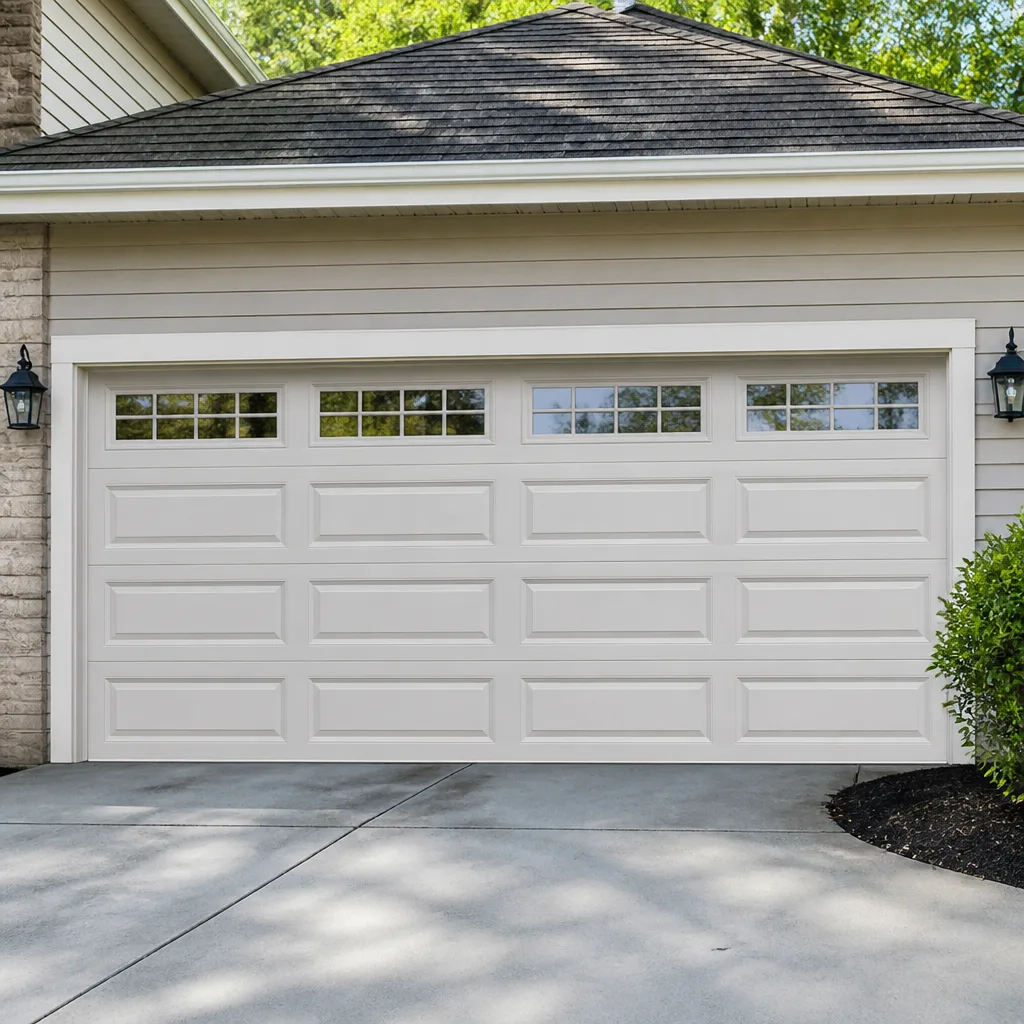 Raised-panel steel
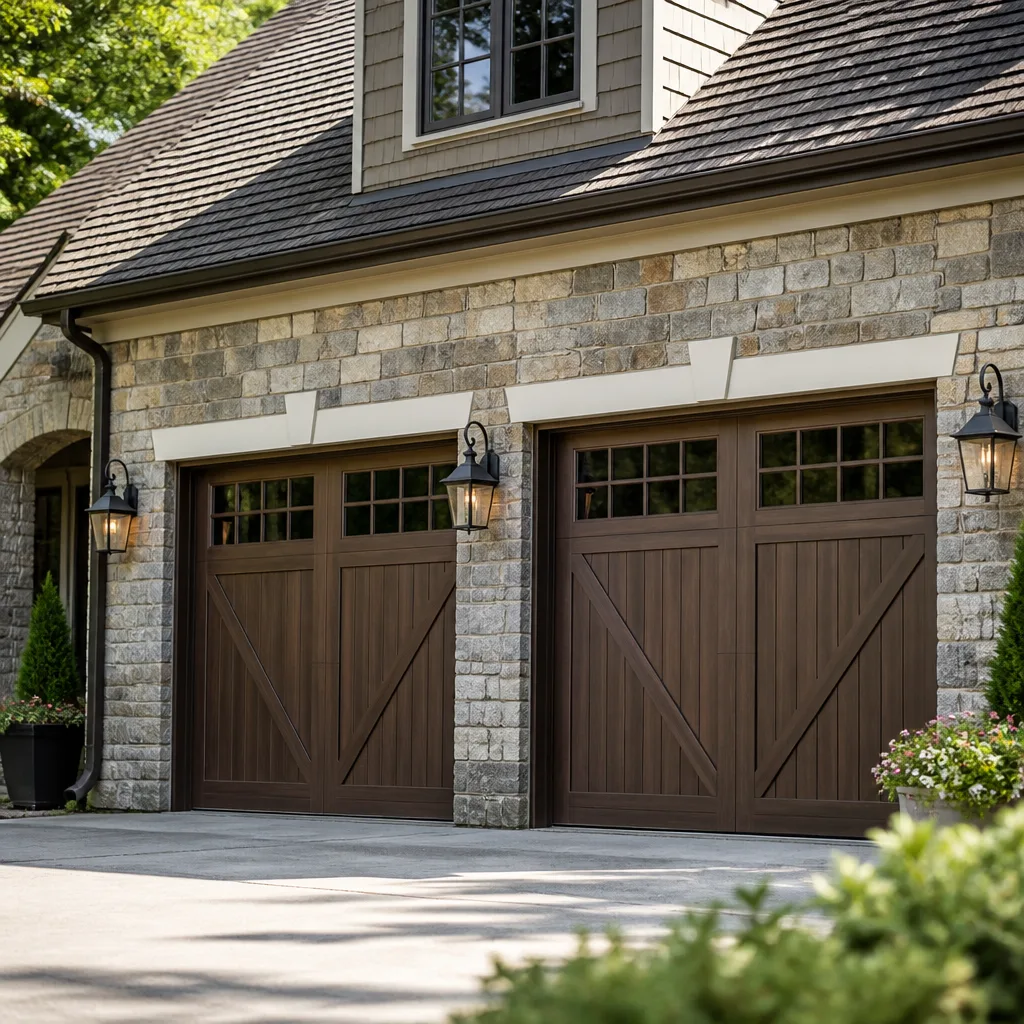 Carriage house
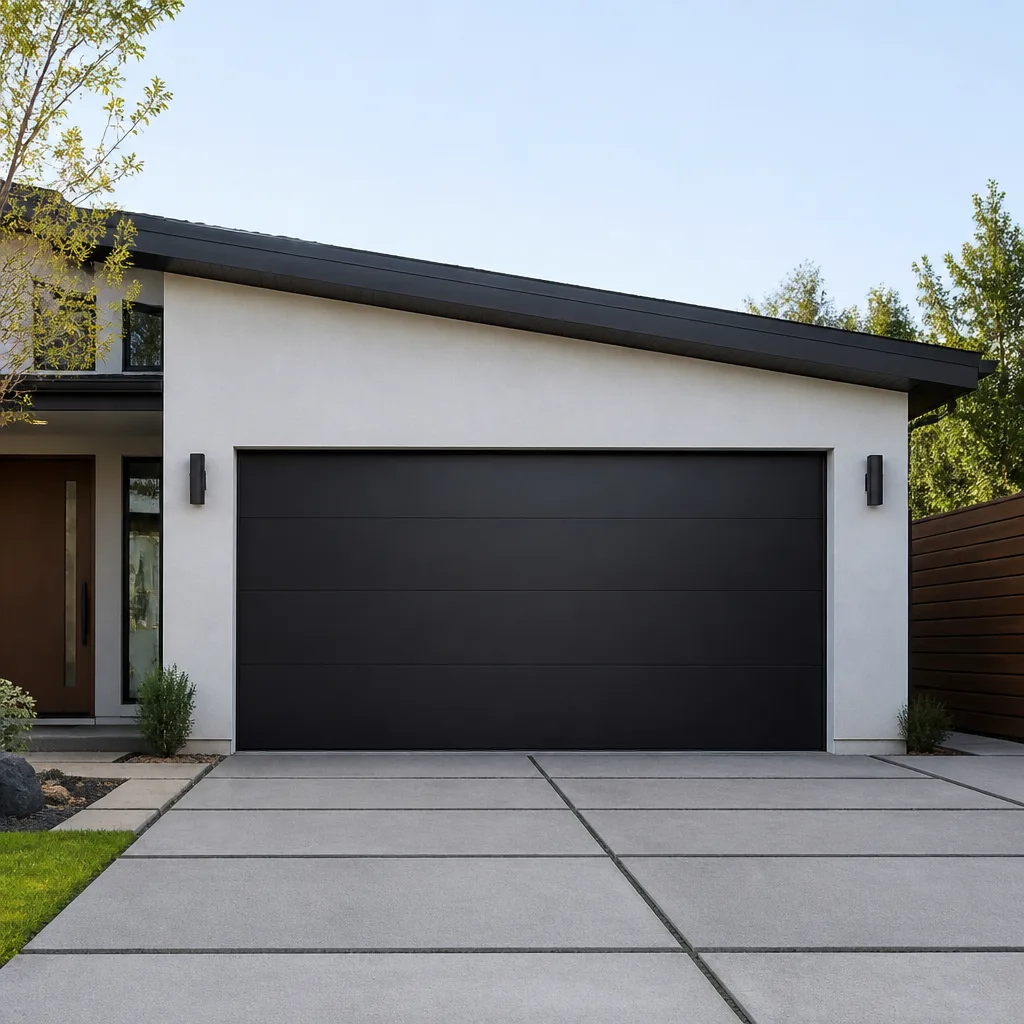 Modern flush
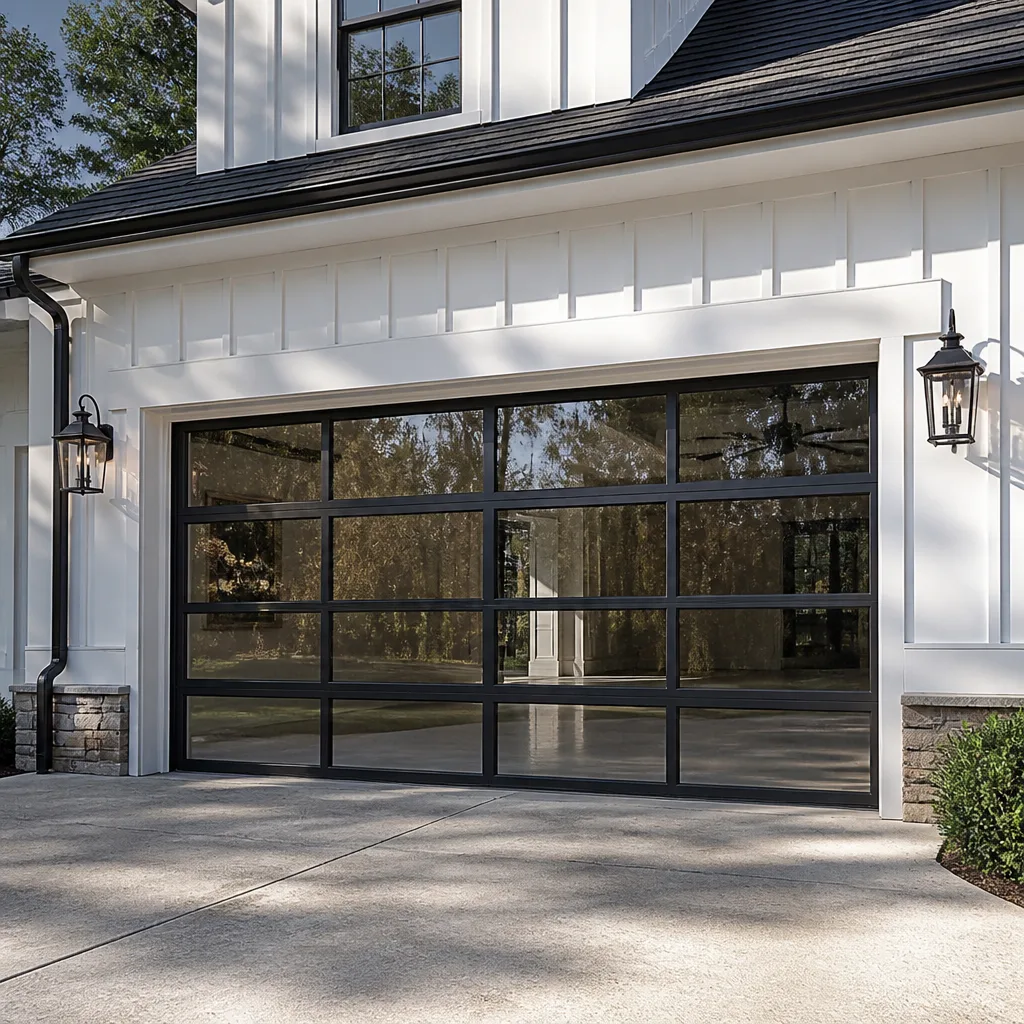 Full-view glass
 LiftMaster openers
 Chamberlain openers
Full 25-point door and opener safety check with every visit - springs, cables, rollers, tracks, and your LiftMaster or Chamberlain opener included
You get a price before we start. It does not change when the pro arrives.
Get your free estimateDIY vs Professional Garage Door: The Arlington Homeowner’s Decision Guide
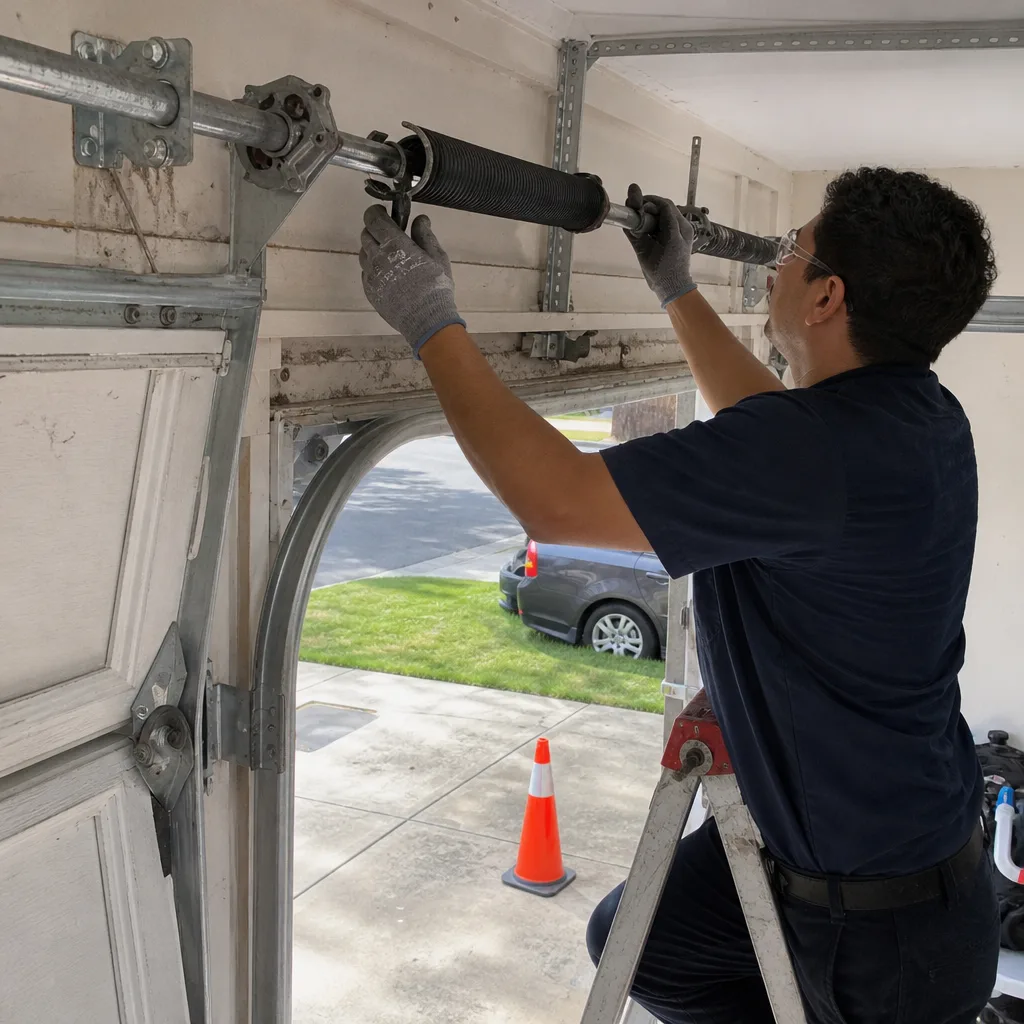
Torsion springs store enough energy to break a wrist or take out an eye, and unlike most DIY warnings, that one isn’t liability language. It’s physics. A spring under tension holds the entire weight of your door; when it lets go, it releases that energy in a fraction of a second with no warning and no second chance. Yet the same garage door system also includes a dozen jobs a careful homeowner can handle with basic tools and an afternoon. The mistake most Arlington homeowners make is treating “the garage door” as one single decision instead of a dozen separate ones. This guide breaks the question down task by task, so you know exactly where self-sufficiency is smart and where it’s genuinely dangerous.
Quick Answer
Most garage door work splits cleanly into two piles. Low-risk tasks like weatherstripping, lubricating hinges, and aligning photo-eyes are safe and sensible for a careful Arlington homeowner to do themselves. High-tension work like spring replacement, cable replacement, and track realignment requires professional equipment, training, and a clear understanding of stored energy, and that’s work you should hand to a specialist. Everything in between depends on the specific task, your tools, and your comfort level.
Styles & brands we work with
- Raised-panel steel
- Carriage house
- Modern flush
- Full-view glass
- LiftMaster openers
- Chamberlain openers
Table of Contents
- The Task-by-Task DIY Safety Matrix
- Jobs That Are Genuinely Safe to Do Yourself
- Jobs That Require a Professional
- The Real Cost Comparison for Borderline Jobs
- What Tools a DIY Homeowner Actually Needs
- Arlington Permits and Virginia Code
- How to Diagnose Before You Call
- Arlington Climate and What It Does to Your Door
The Task-by-Task DIY Safety Matrix
Every garage door job falls somewhere on a spectrum from “anyone with a screwdriver” to “trained technician with the door locked out and spring tension removed.” The right question isn’t “can I do this?” but “how badly does this task go wrong if I get it slightly wrong?” Here’s how the common jobs sort out.
Safe for a careful homeowner:
- Replacing bottom weatherstripping or the threshold seal
- Aligning or cleaning photo-eye sensors
- Lubricating hinges, rollers, and the opener rail
- Tightening loose hinge and bracket bolts
- Replacing a remote battery or re-pairing a remote
- Wiping down and inspecting panels for cracks
Borderline, depends on tools and comfort:
- Replacing a single roller (the door stays down, no spring tension involved)
- Adjusting the opener’s travel limits or force settings
- Replacing a wall-mounted opener control panel
- Straightening a bent bottom bracket on a door that still operates
Professional territory:
- Any work on torsion or extension springs
- Cable replacement or re-seating a cable on a drum
- Track realignment after a door comes off
- Panel replacement on a door with spring tension
- Opener gear and logic board replacement
- Replacing a broken spring on a door that’s currently stuck
That last group is where safety stops being about caution and starts being about physics. If you’re considering any of them, we handle garage door spring repair as a core job for exactly this reason.
Jobs That Are Genuinely Safe to Do Yourself
Plenty of garage door maintenance doesn’t require a technician, and doing it yourself keeps small problems from becoming expensive ones. The key is knowing which tasks involve the door’s weight and spring tension and which don’t. Everything below is well within reach of a homeowner with a step stool and a basic toolkit.
Weatherstripping and threshold seals. The rubber strip along the bottom of the door and the seal on the floor both wear out. You’ll see daylight under the door, feel a draft, or notice water coming in after rain. Both are usually a matter of pulling the old piece off and pressing or screwing on a new one. It’s one of the highest-return maintenance tasks for an Arlington home, both for comfort and for keeping insects out.
Photo-eye sensors. The two small lenses near the bottom of the tracks are what stop the door from closing on a person or pet. They can drift out of alignment after a bump, or get coated with dust and spiderwebs. Wipe both lenses, then check that the indicator light on each is solid, not blinking. If it’s blinking, one sensor isn’t seeing the other. Straighten the bracket by hand and re-test.
Lubrication. Hinges, rollers, the torsion bar bearings, and the opener rail all benefit from a proper garage door lubricant. Not WD-40 as a lubricant; a silicone or lithium grease spray, applied sparingly. Do it a couple of times a year. Doors get quieter and last longer.
Bolt checks. Hinges and brackets loosen over time from the door’s constant up-and-down motion. A quick pass with a wrench every few months catches those before they lead to a wobble or a misalignment.
If you’re not sure whether a problem falls into this list or the professional list, the diagnostic work in the next section will help you sort it out.
Jobs That Require a Professional
Some garage door work is genuinely dangerous, and it isn’t dangerous in the abstract way that product warnings are. It’s dangerous because a torsion spring under load can release its stored energy instantly and with enough force to cause serious injury. That’s why a lot of general handymen won’t touch it either. If you’re facing one of the jobs below, the right move is to have a technician handle it.
Spring replacement. Torsion springs need to be wound to a specific tension, and doing that wrong means the spring can let go while you’re on the ladder. Extension springs are being removed under load. Every spring job requires either a winding bar and a solid understanding of turns and load, or the judgment to know when to stop. In our experience, a technician with training can replace a set in under an hour. A homeowner attempting it for the first time is looking at a task where one small mistake carries real risk.
Cable replacement. The cables run alongside the springs and help balance the door. A snapped or slack cable means the door can drop unevenly, or worse, fall. Replacing one means dealing with spring tension and getting the cable seated on the drum correctly. This is not a task for a homeowner’s first garage door repair.
Track realignment. When a door comes off its track, the cause is usually a bent track, a worn roller, or a cable issue. Bending the track back “close enough” almost always leaves the door running rough, and the underlying cause is still there. A trained eye needs to figure out why it happened.
Opener motor or board replacement. The opener’s logic board and motor are the parts that fail on older units. If yours is a Craftsman or Raynor opener of a certain vintage, working on it without the wiring diagram and diagnostic sequence is a guessing game. We see this often on legacy units around Arlington, and doing garage door opener repair on the right brand the first time saves everyone the headache.
If your door is stuck open, stuck closed, or genuinely off its track, that’s an urgent situation and the safest call is to reach us. We answer 24/7, with fast dispatch from 7am to 7pm, Sunday through Friday.
The Real Cost Comparison for Borderline Jobs
The math on borderline jobs isn’t as simple as comparing the price of a part with the price of a service call. DIY savings shrink every time you make a second trip to the hardware store, or buy the wrong roller size and start over, or spend a whole afternoon on a task that a trained technician finishes in twenty minutes. The honest comparison is time plus materials plus risk, and that changes the answer for different jobs.
Where DIY usually saves real money:
- Weatherstripping and threshold seals – low material cost, no specialized tools
- Lubrication and tightening – materials only
- Photo-eye adjustment and cleaning – free
- Remote re-pairing and battery replacement – free or near-free
- Replacing a single roller – one part, an hour, no real risk
Where DIY often costs more than it saves:
- Opener travel and force adjustments – easy to nudge a force setting too high and burn up the gear
- Replacing a bottom bracket on a door with tension – needs to be done with the door down, but any mistake can cause the door to bind
- Panel replacement where panel weight matters – a mismatch can unbalance the door and wear the opener
- Any job where you buy the part, try it, decide it’s wrong, and then call us anyway – the extra trip and time are gone
For jobs in that second group, calling first is usually the cheaper path. If a task is on the fence, a phone call to (844) 917-3733 will get you a free estimate and a clear answer about whether it’s a DIY job or a technician job. We won’t suggest a service call for a task you can safely handle.
What Tools a DIY Homeowner Actually Needs
You don’t need a garage full of specialty equipment to handle the safe jobs well. You need a modest set of tools and a couple of consumables kept on hand. Here’s what a sensible maintenance kit looks like.
- A step ladder tall enough to reach the opener and the tracks safely. Six feet is usually enough for a standard garage in Arlington. Don’t work off a chair or a stack of boxes.
- A socket and wrench set sized to your hinges and brackets. Most residential doors use 7/16 or 1/2 inch hardware, but check yours.
- A screwdriver set for photo-eye brackets and control panels.
- Garage door lubricant – silicone or lithium grease spray, not plain WD-40 for lubricating rollers.
- A spare bottom seal sized to your door. Measure before buying, since widths vary.
- Replacement rollers matching your existing size. Nylon rollers are quieter than steel.
- A pair of work gloves and safety glasses for anything that involves reaching near the springs.
That kit is affordable and covers years of routine care. It won’t help with a broken spring, and that’s fine. Buying a winding bar and trying a spring job for the first time isn’t a smart savings. It’s a way to get hurt.
If you’d rather not keep parts on hand, we can handle the maintenance tasks during a routine visit and take care of garage door repair at the same time. Our technicians are trained on the major brands – LiftMaster, Chamberlain, Craftsman, Raynor – so the right part shows up on the first trip.
Arlington Permits and Virginia Code
Whether you need a permit for garage door work depends on what kind of work it is. Replacement of a garage door on a one- or two-family home is generally treated as minor work that can be done without a permit under Virginia’s building code and Arlington County’s local permitting rules. Like-for-like repair – swapping a spring, replacing an opener, fixing a track – is not a permitted activity on its own. But when work touches structural framing, changes the opening size, or is part of a larger remodel, a permit is usually required.
The safest rule for an Arlington homeowner is this: if the work is a repair or like-for-like replacement of the door or opener, you can usually have it done without a permit. If you’re changing the size of the door or the opening, adding a door where there wasn’t one, or tying the work into a larger project, call Arlington County’s permitting office and ask. Nobody can substitute a real phone call to the county for a rule of thumb, and the rules can shift by project type.
For DIY legality specifically, the same logic applies. Small repair and replacement work doesn’t require a permit, so a homeowner can legally do it themselves as long as they follow safe practice. But “legal to do yourself” and “safe to do yourself” are not the same sentence. Cable and spring work is legal for a homeowner in Virginia, and it’s still dangerous work that calls for a trained technician.
If you’re not sure whether your job needs a permit, call the county before you start. It’s a five-minute call that prevents a much bigger headache later.
How to Diagnose Before You Call
The best thing a homeowner can do before calling a technician is collect accurate information. It shortens the diagnostic time, helps the technician figure out which parts to bring, and often makes the whole visit faster and more useful. You don’t need to fix anything. You need to observe.
Write down the symptoms:
- What does the door do, and what doesn’t it do?
- Is the issue every time, or only sometimes?
- Does it make a noise, and where does the noise come from?
- Did it start suddenly, or get worse over time?
- Does the opener’s light blink a certain number of times? Note the pattern.
Look at the door itself:
- Is a torsion spring visibly broken? A clean gap in a wound spring is a clear sign.
- Are cables slack or off their drums?
- Are tracks visibly bent or misaligned?
- Are panels cracked or out of the hinge?
- Are rollers worn, cracked, or missing bearings?
Check the opener:
- Does the wall control still work, or is it only the remote?
- Do the photo-eye sensors have solid lights?
- Is the opener motor running with the door staying still? That’s a stripped gear, not a spring.
Bring those notes to a phone call, and you’ll get a faster, more accurate estimate. It also reduces the risk of a second visit when the technician has to come back with a different part.
Arlington Climate and What It Does to Your Door
An Arlington garage door faces four genuine seasons and a lot of humidity. Northern Virginia summers bring heat, humidity, and afternoon thunderstorms, and the winters aren’t cold enough for the door to freeze in place but often cold enough to stress moving parts. Understanding what each season does to your door helps you plan maintenance.
Summer: Heat and humidity are the biggest stress on springs and opener electronics. Lubrication intervals matter more in a hot garage. Wooden doors move with moisture and can swell. Rubber seals can dry and crack faster when they’re baking in an unventilated space.
Fall: Leaves and debris find their way into the tracks. It’s a good time to clean everything and check that nothing is obstructing the door’s travel. The temperature swings from warm days to cold nights can loosen bolts.
Winter: Cold metal contracts and old grease gets sticky. Opener gears can get stiff, and photo-eyes are more likely to have moisture on them after a cold rain. Frost on the door panels can cause the door to bind slightly if the bottom seal is worn.
Spring: The season of temperature swings and the season of noise. A door that’s been quiet all winter can suddenly sound rough as the hardware loosens up. It’s a good time for a bolt check and a lubrication pass.
The upshot for Arlington homeowners is that two maintenance windows a year – one in fall, one in spring – cover the climate well. Springs and openers get the most benefit from regular care, which is why we take that side of the work seriously.
Common Mistakes to Avoid
- Trying to straighten a bent track by hand. A track that’s been bent has already gone out of alignment somewhere else in the system. Bending it back usually leaves the door running worse and hides the real cause, which a technician needs to find.
- Using the wrong lubricant on rollers. Thick grease and standard WD-40 both attract dust and grit. In a humid Arlington summer that turns into a paste that grinds down the roller bearings. Stick to silicone or lithium grease.
- Forcing the door when it stops moving. If the opener starts to push and the door doesn’t move, the opener motor will burn itself out and the door may drop. If a door won’t move under load, stop and call.
- Assuming a blinking opener light means the opener is bad. A blinking light is usually a diagnostic code, and the real issue might be a sensor, a travel setting, or a spring problem that’s overloading the motor. Note the blink pattern before calling.
- Adjusting the force setting to compensate for a heavy door. If the door feels heavy, the fix is balance, not force. Crank the force setting up and you’ll shorten the opener’s life and put more load on the spring that’s already failing.
- Replacing a spring on one side only. Matched springs wear at the same rate. Replacing one of a pair leaves the door unbalanced, which strains the opener and shortens the life of the new spring. Springs come as a pair.
- Ignoring a wobbling door until it comes off. A slight wobble is the earliest sign that a roller, hinge, or cable is failing. Catching that early is one of the cheapest repairs in garage door work.
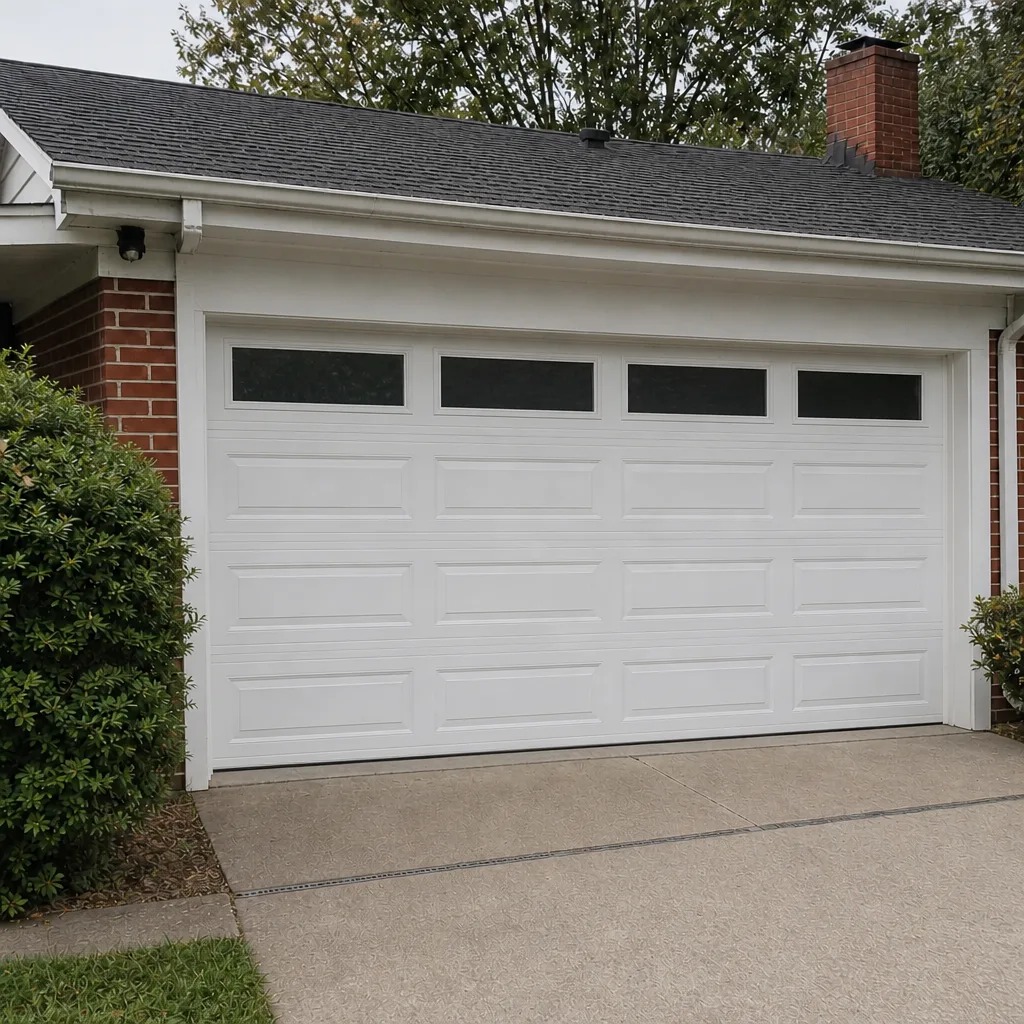
See the difference
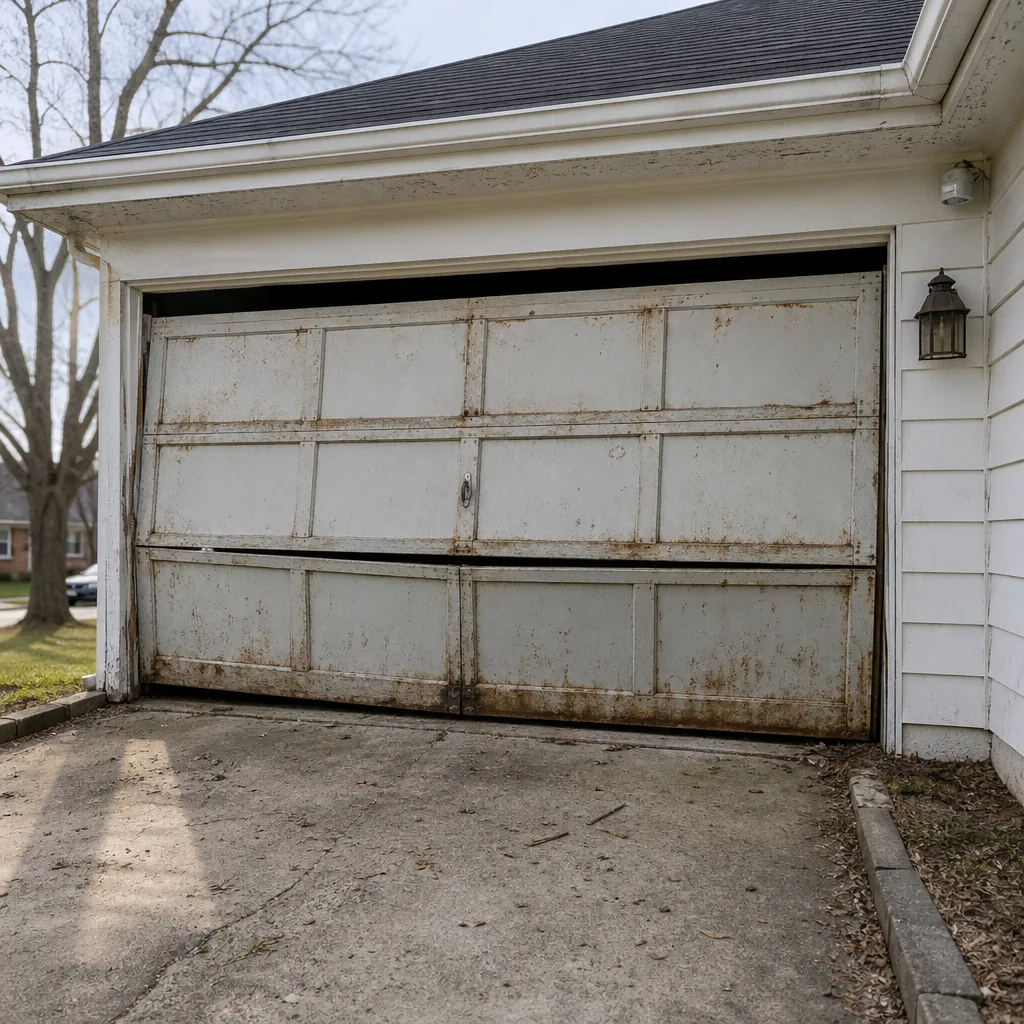 Before
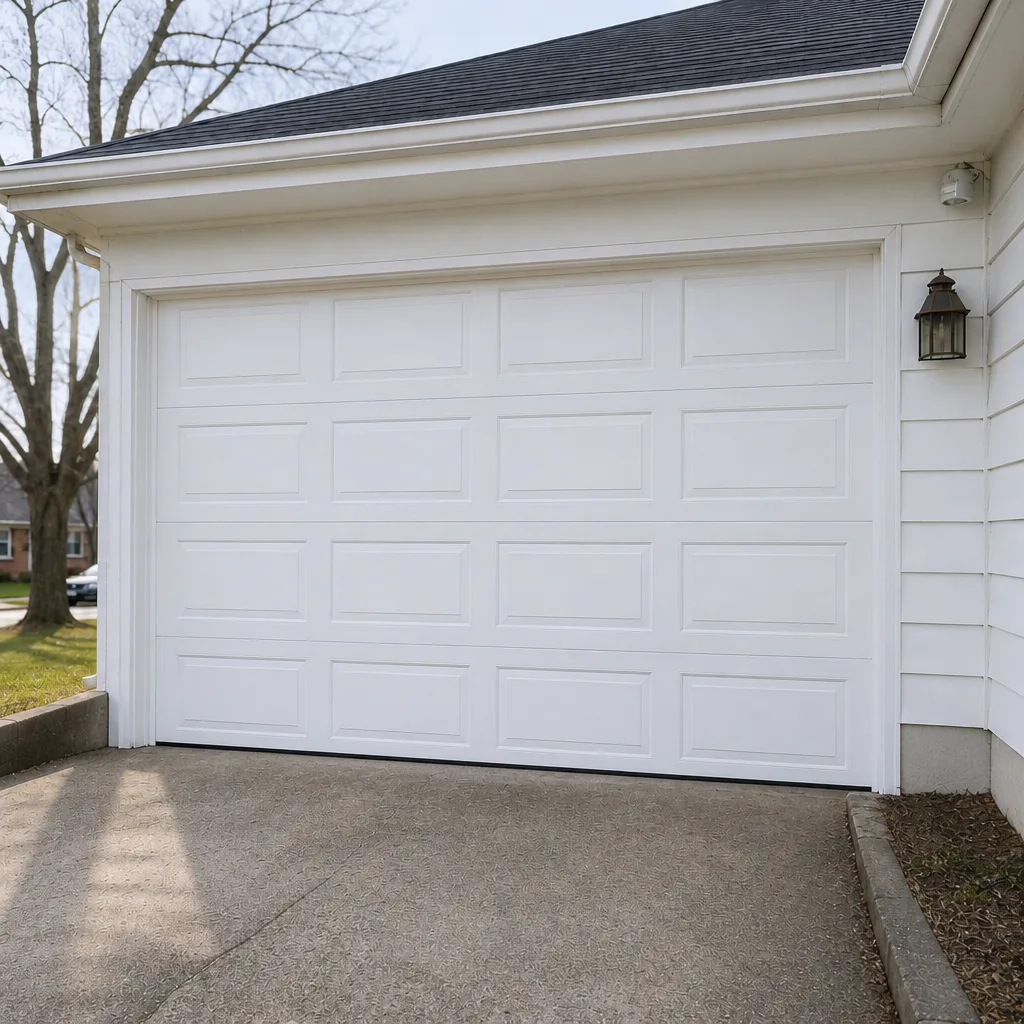 After
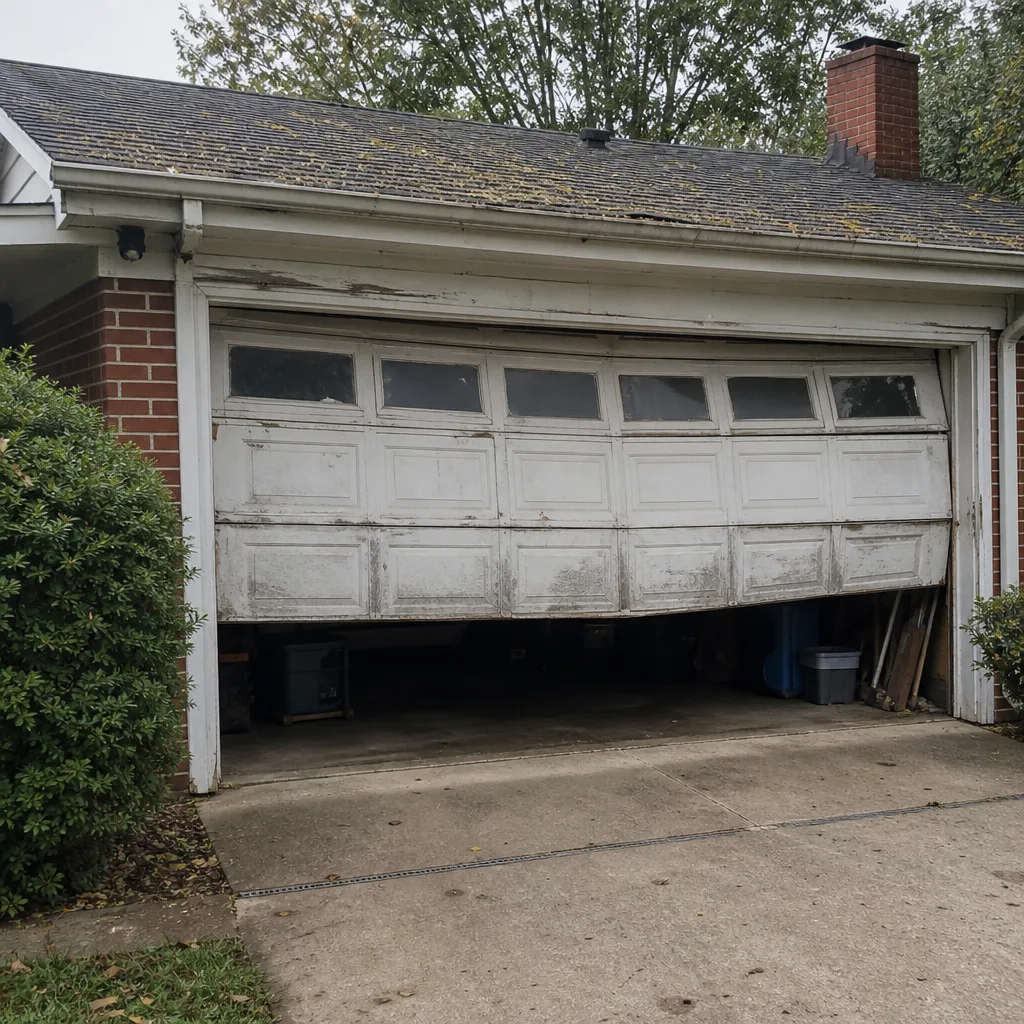 Before
 After
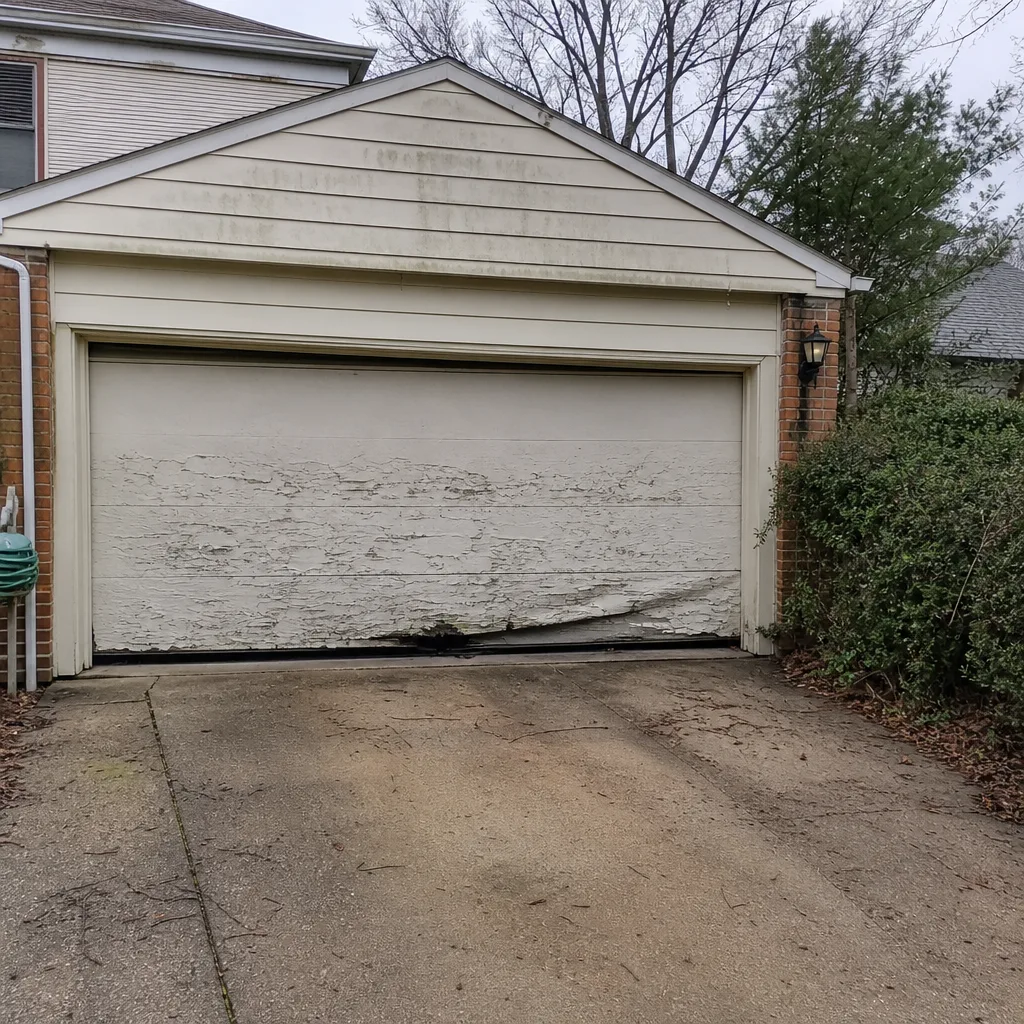 Before
 After
When to Call a Professional
Call a professional whenever the task involves spring tension, cables, or a door that has come off its track. Call when an opener won’t respond and the photo-eyes are clean. Call when a door wobbles, when a door won’t stay up on its own, or when a panel is cracked. And definitely call when a door is stuck open – that’s a security risk – or stuck closed with a car behind it.
For a dedicated garage door specialist, most of these are routine, and we work on the major brands: LiftMaster, Chamberlain, Craftsman, Raynor. Pryor Garage Door Repair offers free estimates in Arlington. Call (844) 917-3733. We answer 24/7, with fast dispatch from 7am to 7pm, Sunday through Friday.
Frequently Asked Questions
No, in nearly every case. Torsion and extension springs store enough energy to cause serious injury if a winding, removal, or adjustment goes wrong, and the margin for error is very small. This is one of the few household jobs where we consistently tell homeowners not to attempt it, even if they’re handy. Call (844) 917-3733 for a free estimate on garage door spring repair.
That depends entirely on the task. A weatherstripping replacement or a roller swap is a small job with a small price. A spring replacement costs more because it involves a matched pair, safe removal of stored energy, and re-balancing the door. Opener repairs sit somewhere in between, and full door replacement is its own category. We give a written estimate before any work starts, and the price on that written estimate is the price. Call (844) 917-3733 for a free estimate.
Replacing a garage door on a one- or two-family home is generally treated as minor work that doesn’t require a permit, and like-for-like repair is not a permitted activity on its own. If your project changes the size of the opening, involves structural framing, or is part of a larger remodel, call Arlington County’s permitting office to confirm. When in doubt, ask the county before you start. Call (844) 917-3733 if you’d like a free estimate on the door itself.
Almost never, at least not safely. A door off its track is heavy, unbalanced, and unpredictable, and the cause is usually a bent track, a worn roller, or a cable issue that needs diagnosis. The right move is to keep people and cars clear of the door and call for service. We handle garage door repair urgently because a door that’s off track is a real safety issue. Call (844) 917-3733.
Lubricating hinges and rollers, tightening bolts, cleaning and aligning photo-eye sensors, replacing weatherstripping, and changing remote batteries are all safe to do yourself and good for the door’s life. None of this touches the spring or cable system, and none of it moves the door under load. Call (844) 917-3733 if you’d rather have us handle the maintenance checks for you.
Yes. We’d rather you keep a small job small than talk you into a service call you don’t need. If a task is safe for a careful homeowner, we’ll tell you. If it involves spring tension, cables, or the door’s balance, we’ll tell you that too, and we’ll explain why. Call (844) 917-3733 for a free estimate and a straight answer.
The Bottom Line
DIY vs professional isn’t one question, it’s a dozen. Weatherstripping, lubrication, sensor alignment, and bolt checks are safe and worth doing yourself. Springs, cables, track realignment, and any work on a door that’s come off its track belong to a professional, because the risk is physics, not liability. Borderline jobs come down to time, materials, and whether you’d be guessing. For Arlington homeowners, the best routine is a modest tool kit, a couple of maintenance windows a year, and a phone number for the jobs that matter. Call (844) 917-3733 for a free estimate.
Call Pryor Garage Door Repair at (844) 917-3733 to book a free estimate in Arlington. We answer 24/7, with fast dispatch from 7am to 7pm, Sunday through Friday. Whether you need a repair, a new opener, a spring replacement, or a whole new door, we work on your brand and do it in one visit with the right part.
Written by the team at Pryor Garage Door Repair.