
Last updated November 21, 2026
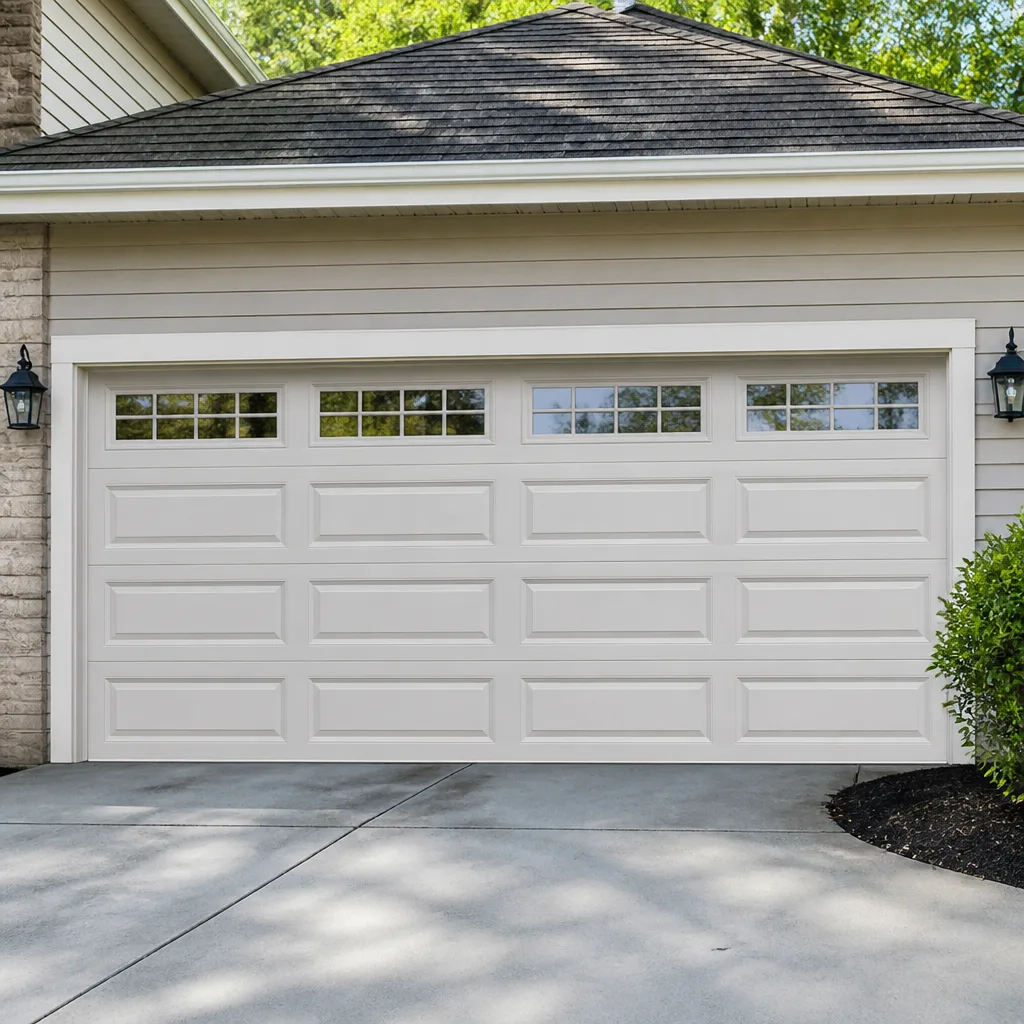 Raised-panel steel
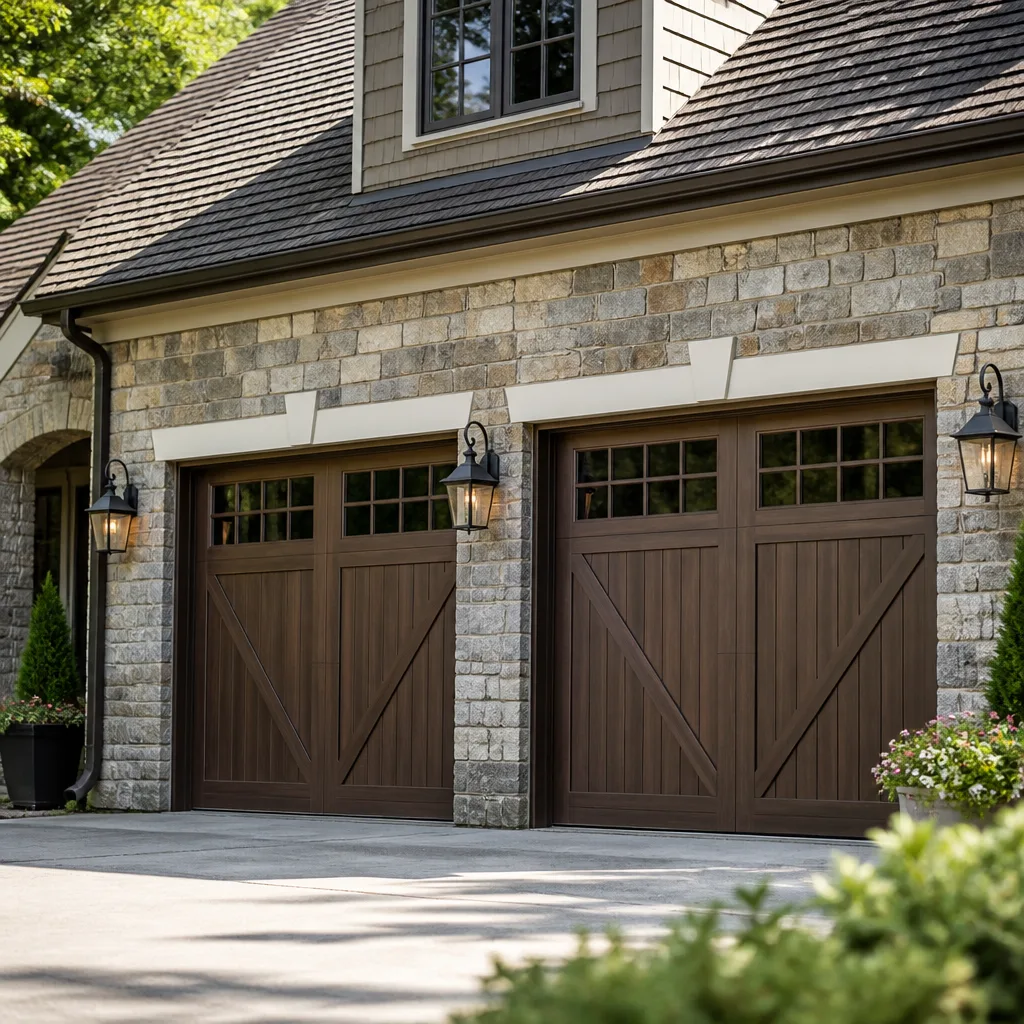 Carriage house
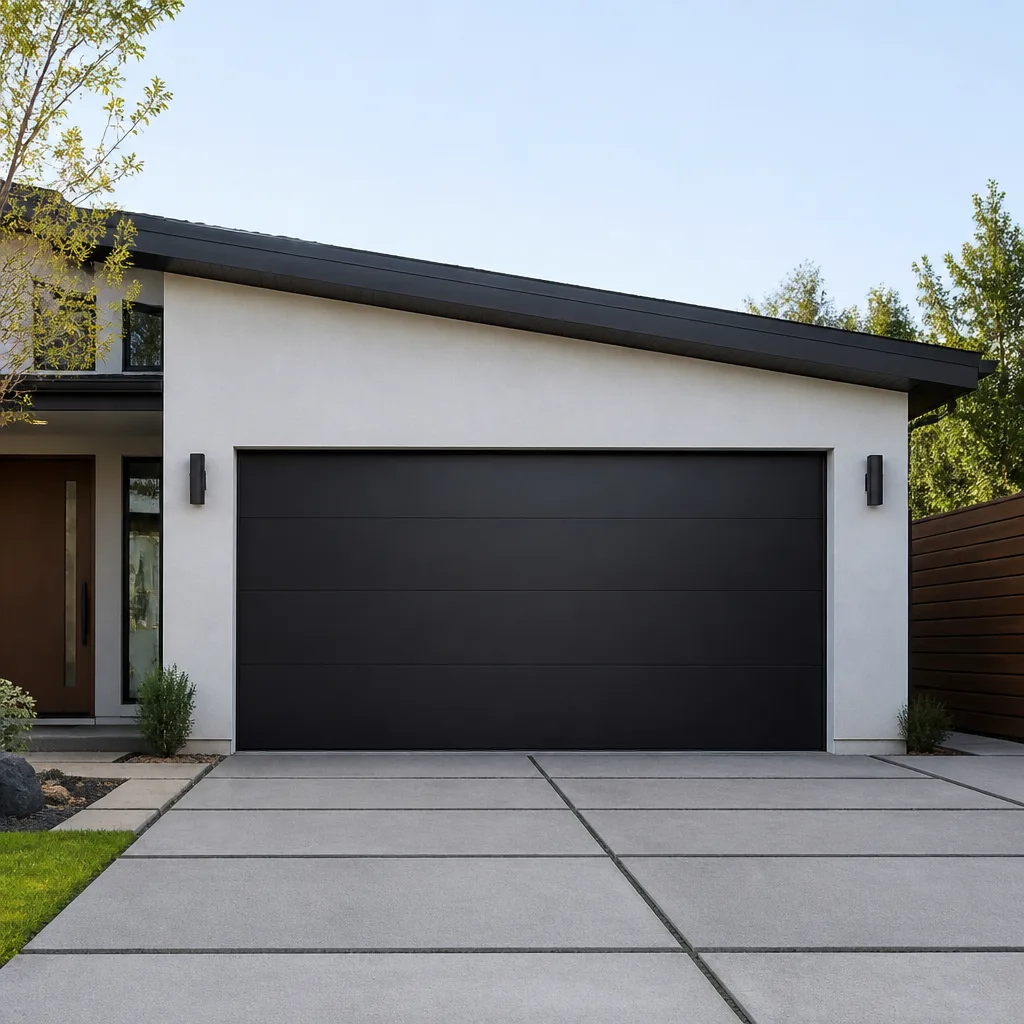 Modern flush
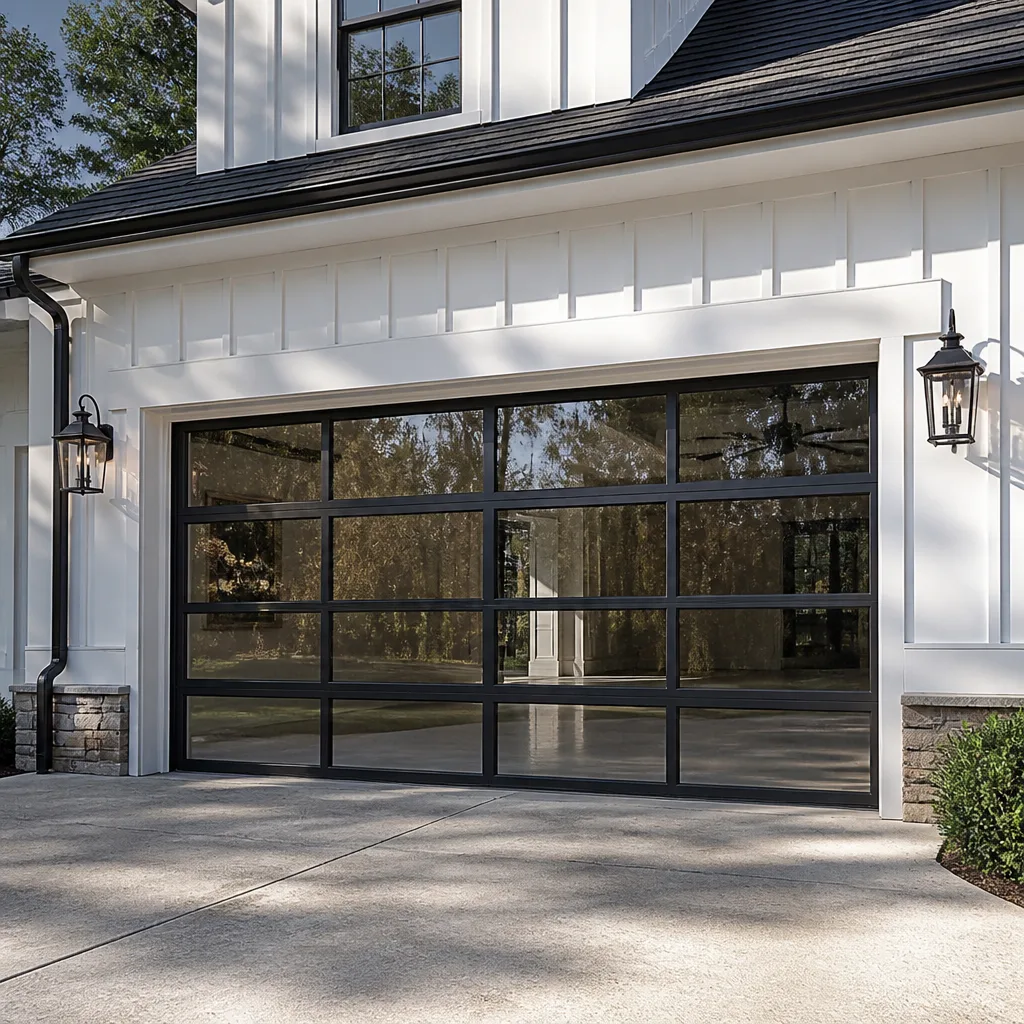 Full-view glass
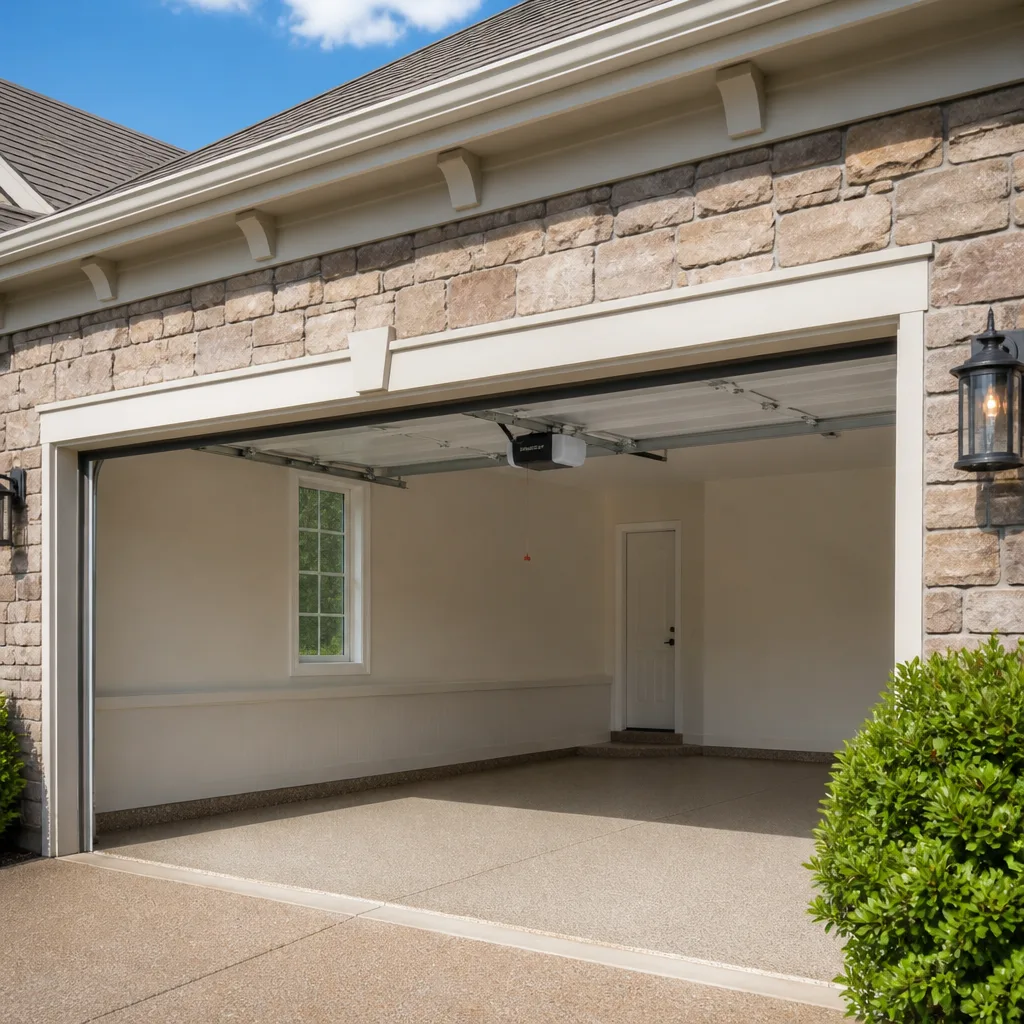 LiftMaster openers
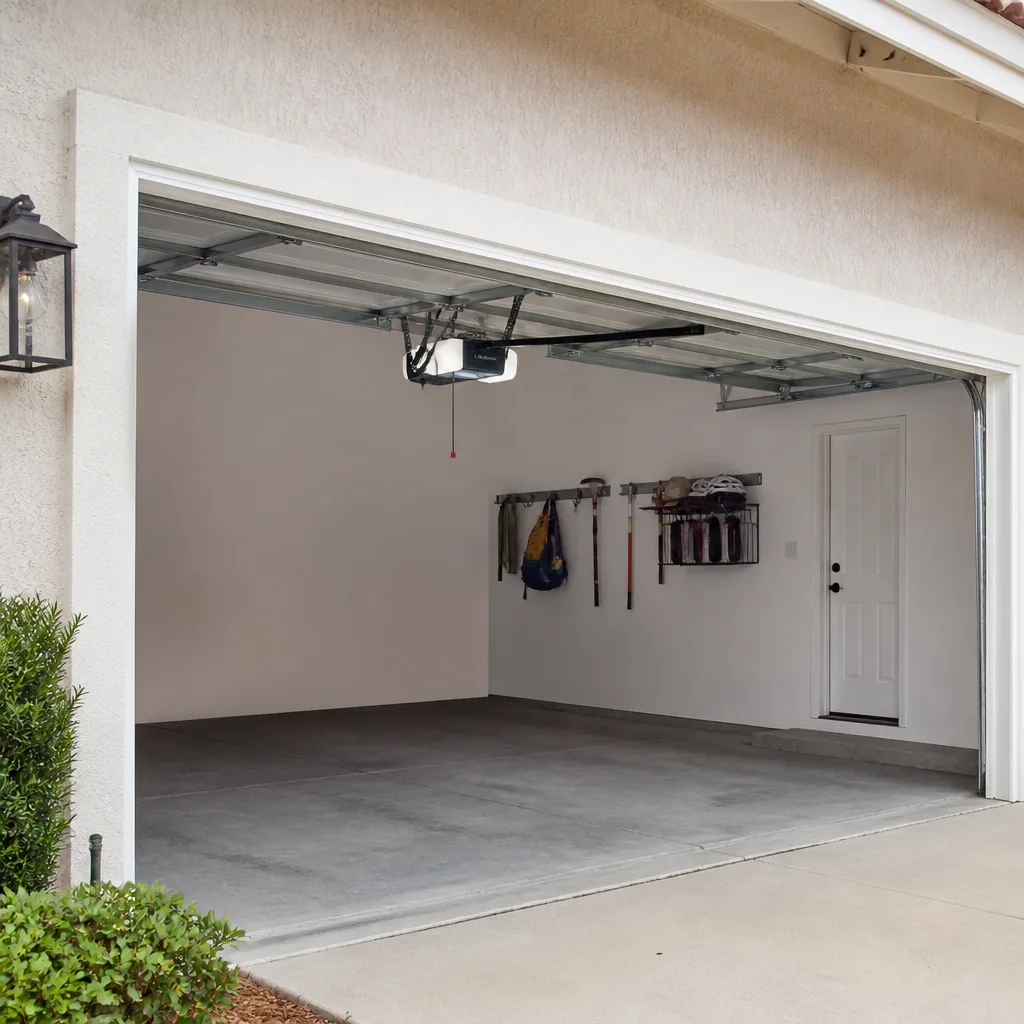 Chamberlain openers
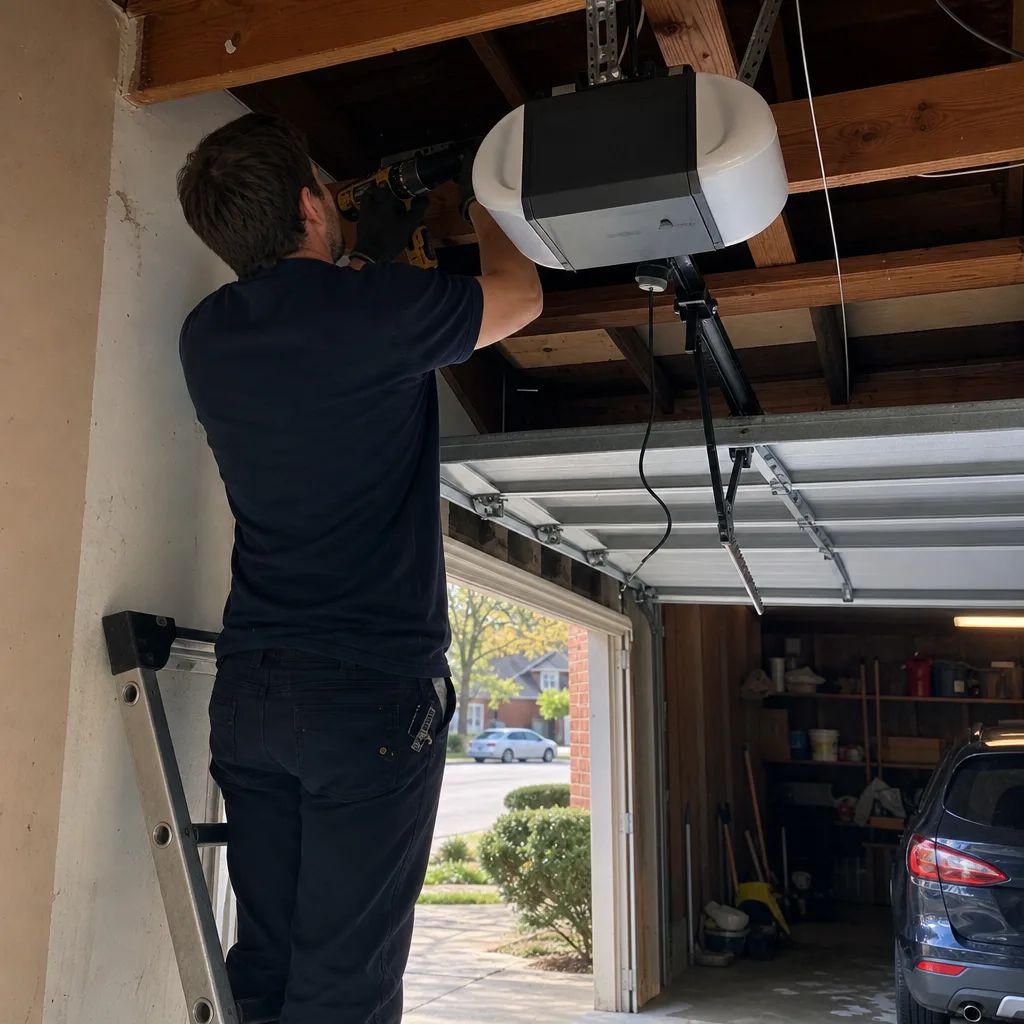
Full 25-point door and opener safety check with every visit - springs, cables, rollers, tracks, and your LiftMaster or Chamberlain opener included
You get a price before we start. It does not change when the pro arrives.
Get your free estimateThe Complete Guide to Garage Doors in Arlington
Most Arlington homeowners don’t realize their garage door opening is non-standard until a new door is already on order. Then come the calls to the manufacturer, the re-measure, and the weeks of waiting for a door built to a size no warehouse keeps in stock. Arlington’s housing stock is unusually varied: 1950s ramblers in Arlington sit beside colonial revivals and brand-new townhome infill, and the garages were built to match their decade. This guide covers what actually matters when a door needs repair, replacement, or a new opener, from pre-1970 rough openings to HOA color rules in Waycroft-Woodlawn, so you can make a decision that holds up.
Quick Answer
Garage door work in Arlington splits into three tracks: a repair (a spring, opener, cable, or track), a panel or door replacement, or new construction of a non-standard opening. The right path depends on the age and dimensions of your garage. Measure your opening’s width, height, and headroom before anything gets ordered, and confirm your HOA or civic association rules before you choose a door style. Permits and lead times matter here because the housing is old and inspections are real.
Styles & brands we work with
- Raised-panel steel
- Carriage house
- Modern flush
- Full-view glass
- LiftMaster openers
- Chamberlain openers
Table of Contents
- Why Arlington’s housing stock changes the job
- Headroom and non-standard rough openings
- HOA and civic association rules
- Repair, panel swap, or full replacement?
- Brand familiarity and parts in Arlington
- A realistic timeline for each job type
- Choosing and repairing an opener
- Springs, tracks, and safety
Why Arlington’s housing stock changes the job
Arlington grew in waves. The post-war rambler neighborhoods, the colonials closer in, and the newer townhomes replacing single-family lots all carry different garage dimensions, and that shapes every decision downstream. A door built for a 1955 carport is not the door that fits a 2020 townhome bay. If you’re starting with a repair, the Pryor Garage Door Repair overview explains our full scope, but the local housing context is what tells you which service you actually need.
Arlington’s pre-1970 homes often have single-car garages sized for the cars of that era, which were narrower and taller in proportion than today’s SUVs. That means the rough opening may be short on width, short on height, or both. Many of these garages were converted from carports, so the original framing wasn’t built to carry the weight of a full sectional door and its torsion hardware. When a door has to be re-driven back into framing that was never meant for it, the track configuration and spring system need to be chosen accordingly.
Newer townhome infill in Arlington brings the opposite problem: tight clearances, shared walls, and builder-grade openers that fail sooner than the door itself. If your garage shares a wall with a neighbor, sound transmission matters too. A belt-drive opener is quieter than a chain drive, and that difference shows up in townhome living.
The practical takeaway is simple: before any door is measured for replacement, walk the opening and note its width, height, headroom above the door, and the side clearance to each wall. Those four numbers determine what fits. A door that ignores them will cost more to install, arrive late, or not seal at all.
Headroom and non-standard rough openings
Headroom is the space above the top of the door opening before you hit the ceiling or a structural beam. A standard sectional door needs headroom for the track curve and the torsion springs, and Arlington’s low-ceiling garages often don’t have it. When headroom is tight, the answer is usually a low-headroom track system or a different door configuration, not a standard off-the-shelf door forced into a space that won’t accept it.
Here’s the sequence we use to evaluate an opening before ordering anything:
- Measure the opening width and height to the inch, not the foot.
- Measure headroom from the top of the opening to the lowest obstruction above it.
- Measure side clearance from the opening to each wall, since the track needs room on both sides.
- Measure backroom from the opening to the back of the garage, because a sectional door needs depth to track back.
- Check the framing above the opening and confirm it can carry the door and its hardware.
Those numbers are why “non-standard” shows up in so many Arlington quotes. A door built to a custom width adds lead time because it isn’t stocked. If a homeowner walks into the process knowing the four numbers above, the quote comes back accurate the first time instead of requiring a re-measure and a delayed order.
Low headroom shows up in another common Arlington pattern: garages under a home’s main floor where the ceiling is structural. In those cases, the track has to be mounted low and tight, and the spring system has to be sized to the reduced travel. A technician who has worked Arlington openings before recognizes these configurations quickly. A technician who hasn’t will mis-measure and order the wrong track.
If your garage was originally a carport, ask specifically whether the framing was ever upgraded. A converted carport often needs reinforcement before a full sectional door is hung.
HOA and civic association rules
Arlington is full of HOAs and civic associations, and many of them publish written guidance on garage door materials, colors, and window placement. Before you order a door, find the rule that applies to your address. Waycroft-Woodlawn and several other Arlington neighborhoods are known for active civic involvement, and that involvement includes exterior appearance standards. A door that violates your HOA’s rules can mean a removal and re-install, which is a cost nobody wants.
The searchable places to start:
- Your HOA’s own document portal or welcome packet.
- Your civic association’s website and newsletter archives.
- Your deed restrictions and covenants, which often run with the property even for older homes that predate the HOA.
- The county’s residential permit and inspection pages, which tell you whether your door type needs a permit.
Most cities require a permit for structural or opening-size changes, so ask your city’s building department before you assume a replacement is permit-free. Review windows matter here: Arlington’s permit review takes real time, and a door ordered before the permit clears can sit in a warehouse. Sequence the permit and the door order so they land together, not weeks apart.
Color matching is its own problem for Arlington homeowners. On a 1950s rambler, the original door color may be a shade that isn’t in a manufacturer’s current palette. If you want to match the original, know that custom colors add lead time. If the HOA requires a specific color, confirm the exact code or sample before ordering.
Repair, panel swap, or full replacement?
Arlington homeowners ask this question more than any other, and the answer depends on what’s actually broken. A single dented panel, a worn spring, and a door that’s come off its track are three different jobs with three different costs. If the tracks and framing are sound and only the panel is damaged, a panel swap usually solves it. If the door itself is warped or the framing is failing, replacement is the honest answer. If the door still moves but hesitates, the opener or the spring is the problem.
A quick way to sort it:
- Hardware-only repair: a worn roller, a bent hinge, a misadjusted sensor, or a loose track. Usually the cheapest path and the quickest.
- Spring or opener repair: the door is heavy, slow, or won’t lift at all. This is garage door spring repair territory and, if the door moves but the opener struggles, an opener diagnosis.
- Panel swap: the door opens fine but looks bad, or one section is dented or cracked, and the surrounding sections and tracks are in good shape.
- Full replacement: multiple sections are damaged, the door is warped, the framing is failing, or the current door never fit the opening to begin with.
Most Arlington complaints that get misdiagnosed as “the opener” are actually the spring or the track alignment. That’s why we diagnose before we quote. An opener that has to work harder than it should will fail repeatedly until the underlying problem is fixed, and calling a garage door specialist who understands the whole system saves you from buying an opener you didn’t need.
Brand familiarity and parts in Arlington
What door and opener brands are on Arlington homes today varies widely. The most common mix we see includes Clopay and Amarr steel doors on rambler and colonial revivals, Wayne Dalton doors on some of the newer townhome builds, and LiftMaster openers scattered across every decade of construction. Knowing which brand is on the door tells us what parts to source and how quickly the job can be scheduled.
Multi-brand capability matters for a different reason than the brand name itself: parts availability. A generalist with a single brand relationship will turn away or special-order for the other seven. A specialist who works on the whole set diagnoses faster and gets the right part on the first visit.
The brands we work on regularly include LiftMaster, Chamberlain, Genie, Clopay, Amarr, Wayne Dalton, Craftsman, and Raynor. Each one has its own quirks. Older Craftsman openers are chain-drive units with quirks in their safety sensor behavior. Raynor doors have their own section profiles and hinge placements. Wayne Dalton doors often use proprietary hardware that a generic spring and hinge won’t match. LiftMaster and Chamberlain share a lot of platform history, but their accessories don’t always mix.
If you aren’t sure what’s on your door, a quick look at the label inside the opener housing or on the door’s bottom section tells a technician what you have. When you call for garage door opener repair, having that brand ready shortens the diagnosis. If the label is gone, we identify the unit from its housing and logic board in person.
A realistic timeline for each job type
Arlington timelines run longer than national guides imply, mostly because of permit review and because non-standard openings mean custom orders. Knowing which job you’re scheduling tells you how to plan around it. Here’s what to expect for each type:
| Job type | Typical timing | Notes |
|---|---|---|
| Hardware or sensor repair | Same visit | Parts standardized |
| Spring replacement | Often same visit | Depends on spring stock |
| Opener repair or replacement | Same visit or short lead time | Brand-specific parts |
| Panel swap, stock size | A few days to a couple of weeks | Stocked size, color matching |
| Panel swap, non-standard | Several weeks | Custom order |
| Full door replacement, stock | A few weeks | Depends on permit timing |
| Full door replacement, custom | Longer | Permit plus manufacturer lead time |
Two things drive the long timeline: whether the door or panel is a stock size, and whether the work needs a permit. A stock panel can be sourced in days. A door that has to be built to Arlington’s pre-1970 non-standard dimensions can take weeks before it even ships. Add permit review time, and you’re looking at a month or more for a full replacement on a non-standard opening.
For repairs, speed is more often on your side. A failing spring or a dead opener is usually a same-visit job because the parts are standard and the fix is a repair, not an order. The fastest way to compress any of these timelines is to have the opening’s measurements, brand, and HOA rules ready before you call. That’s a 10-minute investment that saves weeks.
Choosing and repairing an opener
The opener is the part of a garage door system that fails most often, and it’s the part homeowners try to replace themselves most often. In Arlington, both legacy chain-drive openers and modern smart openers show up, and each has its own repair profile. A Craftsman chain-drive from the 1990s may only need a gear replacement; a newer smart opener may need a logic board or a sensor alignment.
What to expect when an opener misbehaves:
- Door won’t move at all: check the power, then the safety sensor alignment, then the logic board. This is usually a fixable electronics issue, not a new opener.
- Door reverses on the way down: almost always a sensor problem. Adjusting the sensor is often the whole fix.
- Door jerks and hangs: the opener is working; the door is heavy. Springs and track alignment are the likely culprits.
- Remote or keypad stops working: battery, then programming, then the logic board.
If you’re replacing an opener, match the drive type to your space. A belt drive is quieter and better for townhomes sharing a wall with a neighbor. A chain drive is a workhorse and cheaper. A screw drive is fast but louder. For a home with a smart opener, confirm that the new opener’s app and hub match the rest of the household system before you buy.
Brand matters here: LiftMaster and Chamberlain accessories are often interchangeable, but Genie and Raynor aren’t. When you call us, tell us the brand on the opener and the door. That single piece of information is the difference between a same-visit fix and a special order.
Springs, tracks, and safety
Torsion springs and the cables attached to them are under extreme tension. That’s why spring repair is a job for a trained technician and not a homeowner with a set of wrenches. When a spring snaps, the door becomes dangerously heavy, and the stored energy in a properly wound spring is enough to cause serious injury if released without the right tools and technique. We handle spring repair in-house because it’s the single most dangerous common repair on a garage door.
What’s safe to check on your own:
- Whether the door moves smoothly by hand at the balance point (with the opener disconnected).
- Whether the safety sensor is aligned and the opener’s light stays steady.
- Whether anything is visibly bent in the track, and whether the door sits flush in the opening when closed.
What’s not safe to do yourself:
- Winding or unwinding a torsion spring.
- Disconnecting or reconnecting the high-tension cables attached to the springs.
- Straightening a bent track without knowing the counter-balance math.
If a spring breaks or a door comes off its track, stop and call. A door stuck open is a security risk, a door stuck closed is a trap, and a door that’s hanging by one cable can drop. We do garage door repair with a focus on getting the system back to safe condition before anything else gets touched. Our technicians have up to 10 years of experience with the systems Arlington garages actually contain.
Common Mistakes to Avoid
- Ordering a door before measuring the opening. Arlington’s non-standard rough openings are the top cause of a door arriving that won’t fit. Measure width, height, headroom, and side clearance first.
- Ignoring the HOA. Waycroft-Woodlawn and other Arlington neighborhoods enforce exterior appearance rules. Confirm the rule before you buy, not after.
- Blaming the opener when the door is the problem. A door that hangs and jerks needs spring or track work, not a new opener.
- Skipping the permit question. Structural and opening-size changes usually need a permit in Arlington. Ask the city’s building department before you schedule the install.
- Attempting a spring repair on your own. Torsion springs are the most dangerous part of a garage door. Leave them to a trained technician.
- Buying a door that’s out of stock in the wrong color. A custom color adds lead time, and a stock color may no longer match your home. Confirm both before the order goes out.
- Painting over a failing door instead of repairing it. Dents, warps, and failing sections don’t fix with paint. A panel swap or replacement is sometimes the cheaper path.
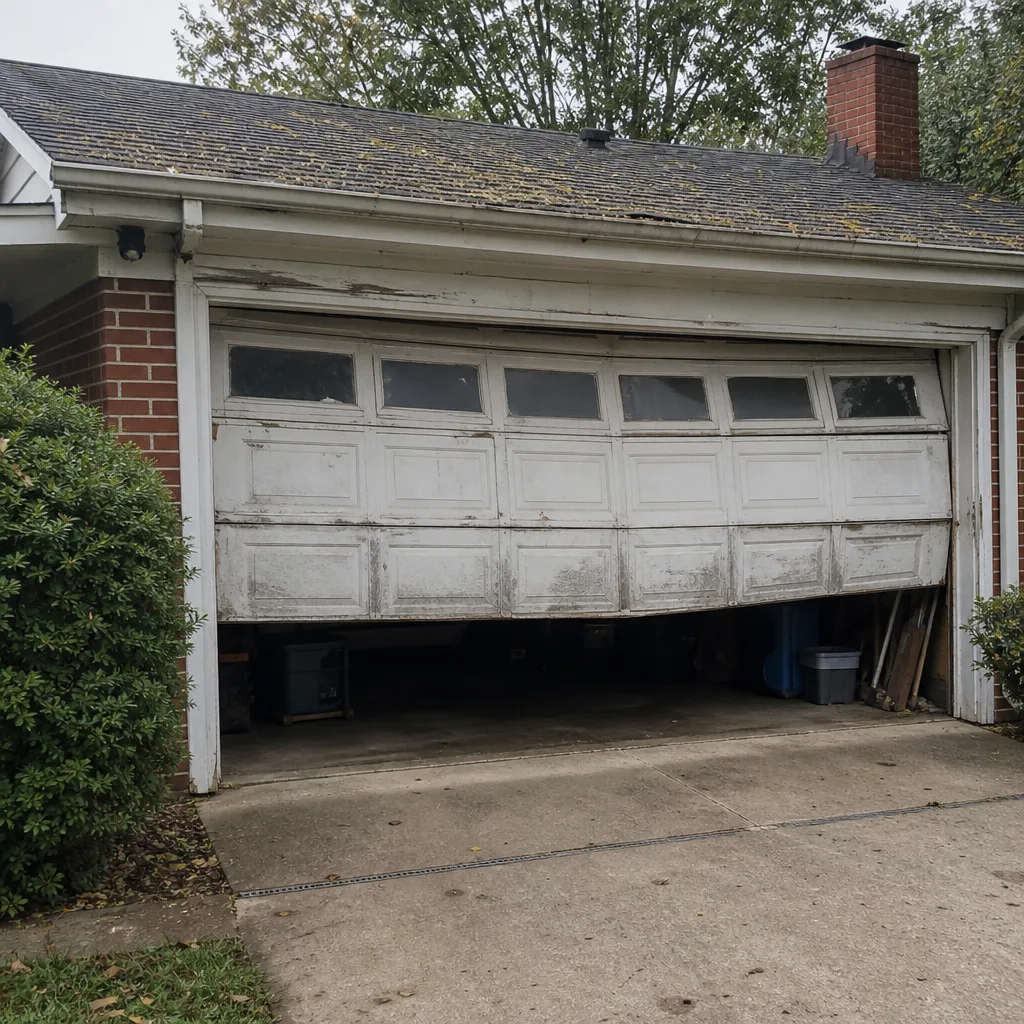
See the difference
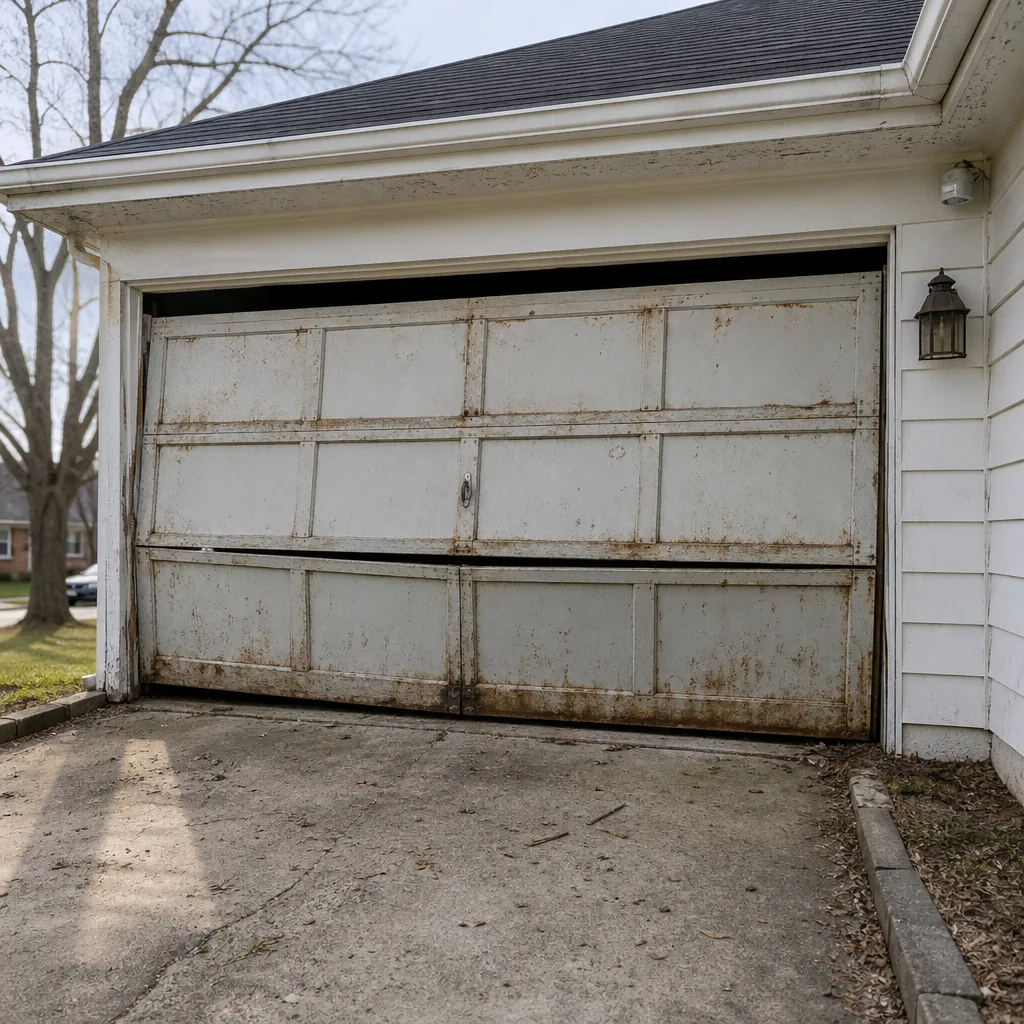 Before
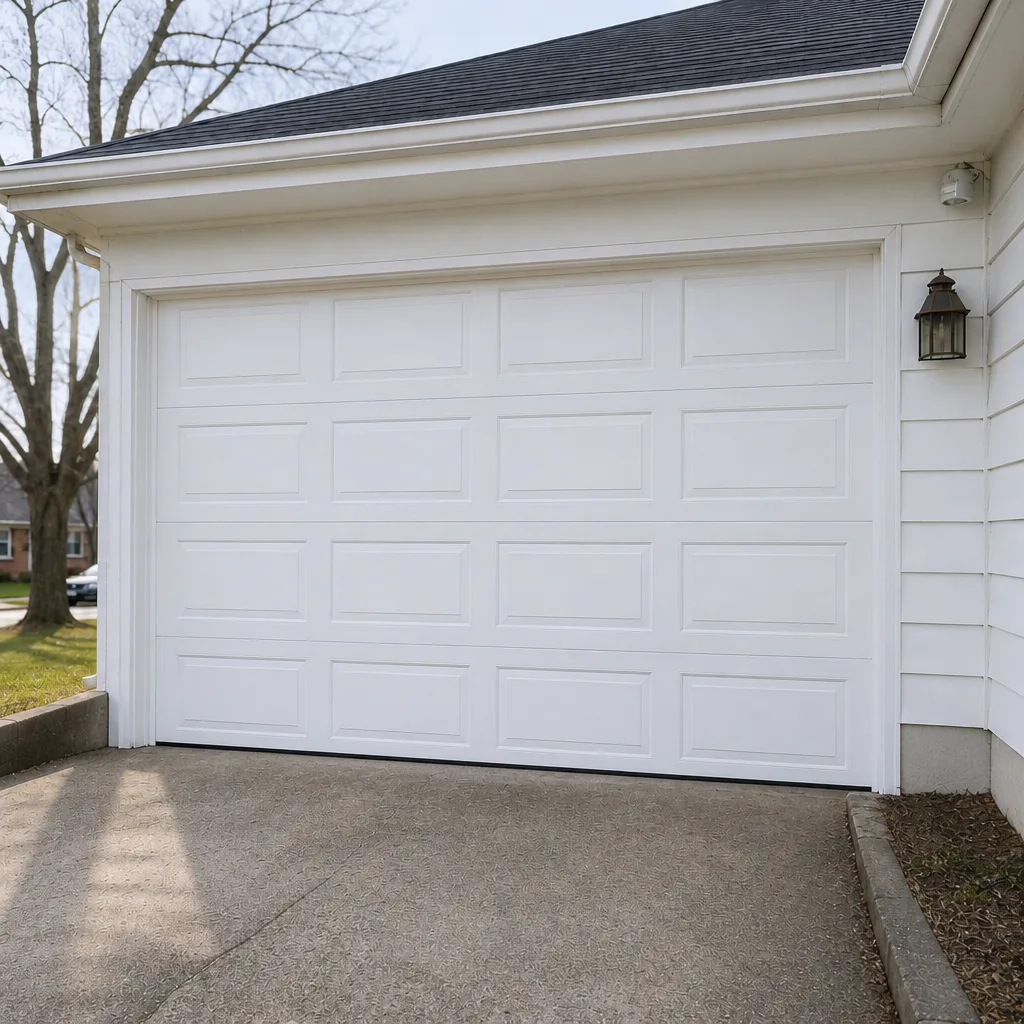 After
 Before
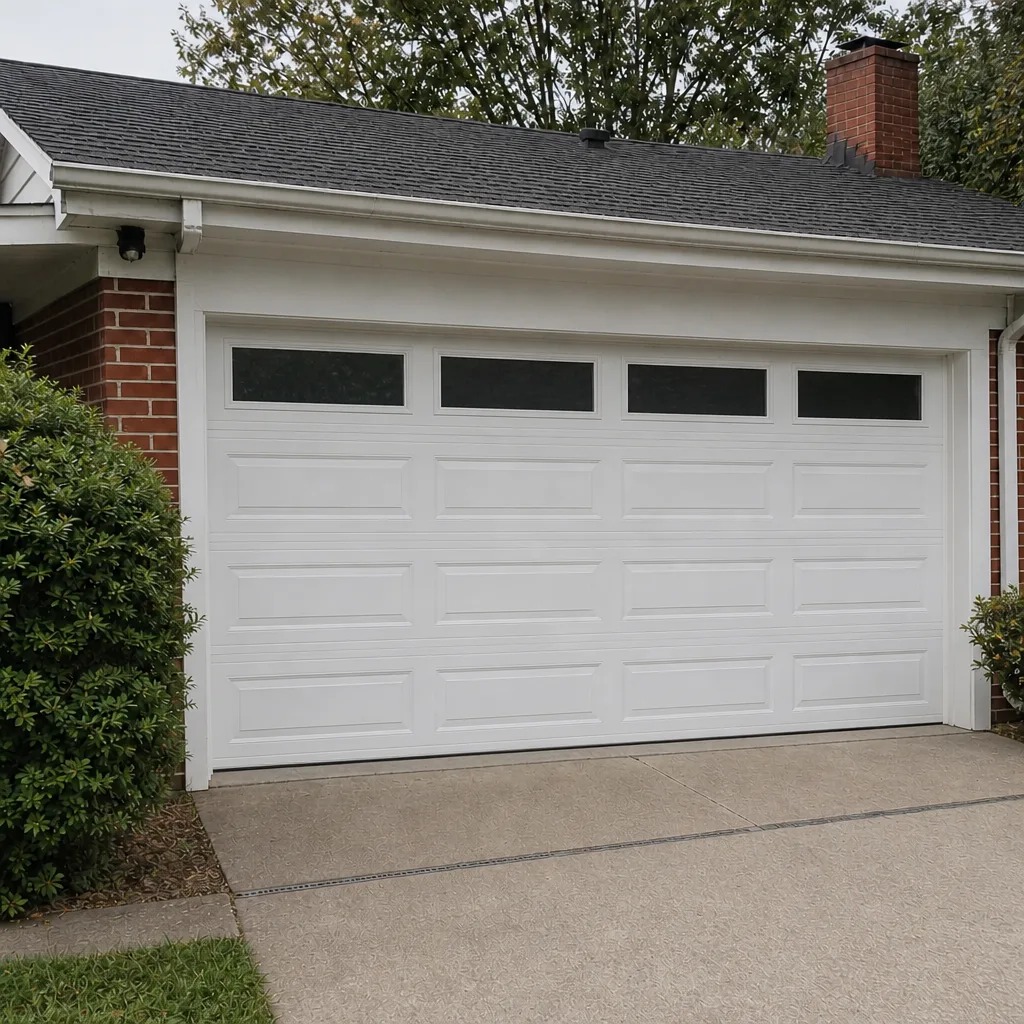 After
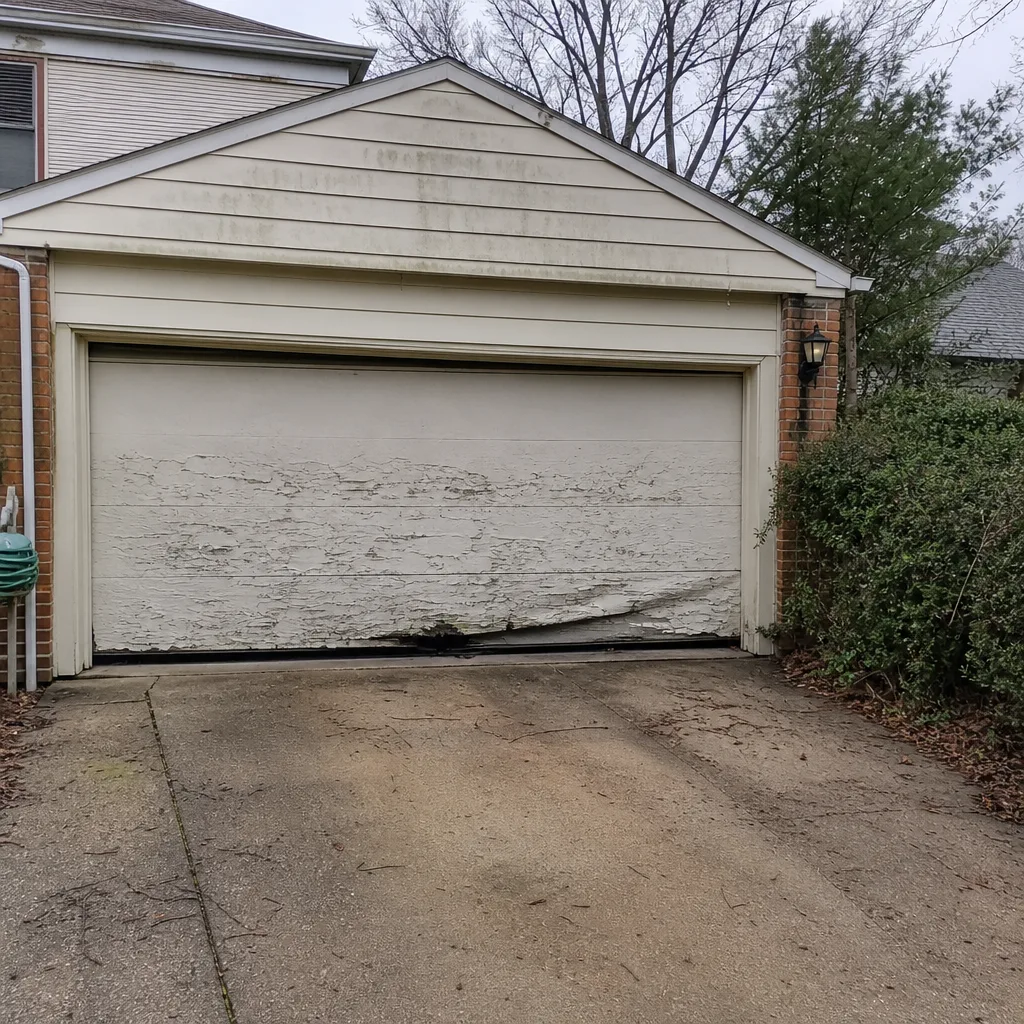 Before
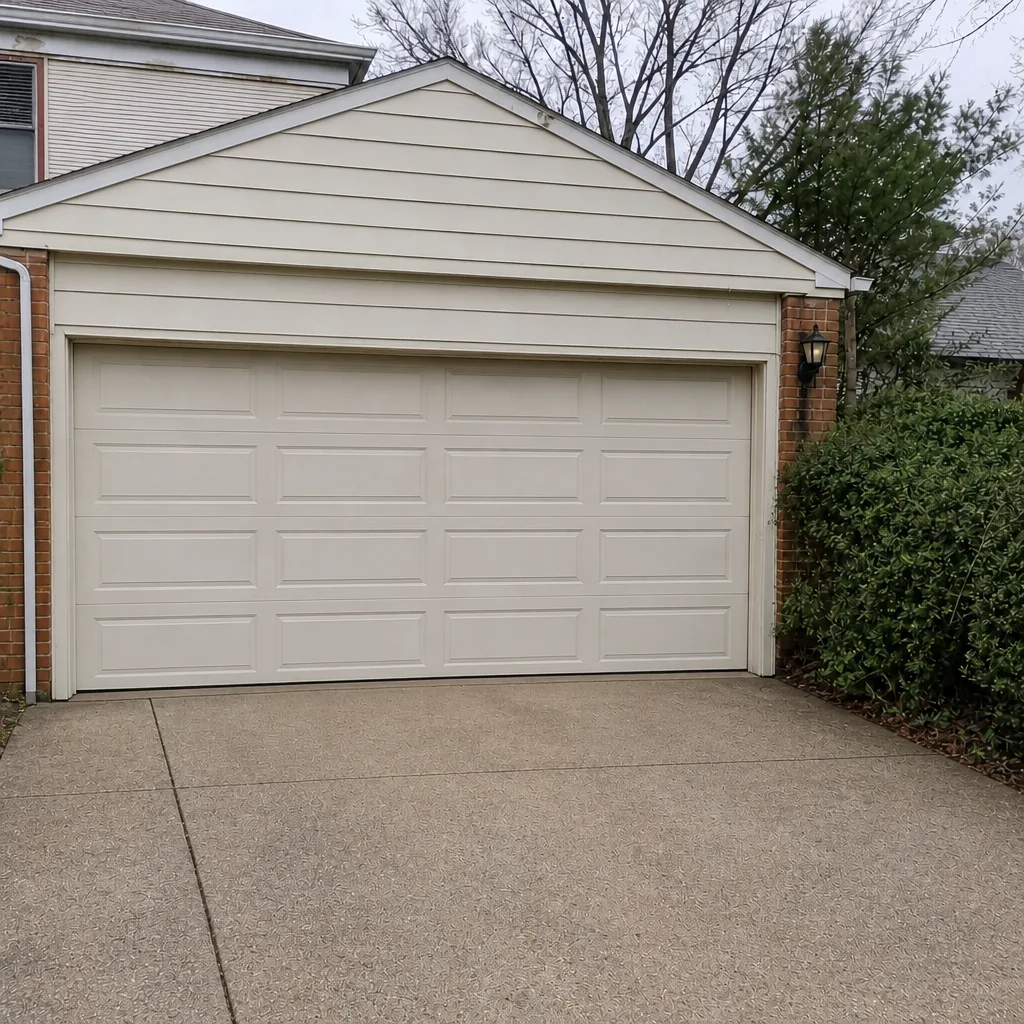 After
When to Call a Professional
Call a professional when the spring snaps, the door won’t move, the door has come off its track, or the opener is doing anything that isn’t a clean open-and-close. Call when you’re considering a full replacement, because what fits your opening is a measurement judgment, not a shopping-platform decision. Call when you’re unsure about the HOA rule, because a wrong door is expensive. And call when you’re comparing a repair to a replacement, because the math depends on the state of the framing and the tracks, not on the door’s age alone. Pryor Garage Door Repair offers free estimates in Arlington. Call (844) 917-3733. We answer 24/7, and our fast dispatch runs from 7am to 7pm, Sunday through Friday.
Frequently Asked Questions
Repair costs in Arlington depend on the job type: a hardware or sensor fix runs the least, spring replacement costs more, and a full door replacement costs most. Every price is set per job by a written estimate, and the estimate is free. Call (844) 917-3733 for an exact quote, and we’ll set it in writing before any work starts.
We can if the job is a repair and the parts are on hand, which most spring, opener, and track repairs are. We answer 24/7, and fast dispatch runs from 7am to 7pm, Sunday through Friday. Call (844) 917-3733 and we’ll tell you what’s available.
No. The written estimate sets the final price, and the price is quoted and agreed before any work starts. If a different part of the system turns out to be the problem, we stop and talk to you before we do anything else, so there’s no surprise invoice at the end.
The local pro is licensed and insured as their state requires, and we only connect you with vetted local professionals. Our technicians are experienced and trained on the brands on Arlington homes, including LiftMaster, Chamberlain, Clopay, Amarr, Wayne Dalton, Craftsman, Genie, and Raynor.
Most cities require a permit for structural or opening-size changes, so ask your city’s building department. A simple door replacement on an existing opening may not need one, but a change to the opening’s dimensions or framing usually does. Sequence the permit before the door order, so a delayed permit doesn’t stall a door that’s already shipped.
Many Arlington HOAs and civic associations do publish written guidance on door materials, colors, and window placement. Check your HOA’s documents, your civic association’s website, and your deed restrictions before ordering. If you’re unsure, call us at (844) 917-3733 and we’ll help you think through how the color and material choices interact with the ordering timeline.
The Bottom Line
Arlington garage door work comes down to three questions: what’s actually broken, what fits your opening, and what rules apply to your address. Measure the opening’s width, height, headroom, and side clearance before anything is ordered. Confirm the HOA and civic association rules, and the permit question, before you commit to a door. Then choose the path that fits the job: a repair for a broken part, a panel swap for a damaged section, or a full replacement when the framing or the door itself has failed. Everything else, including the brand on your door and the opener on your wall, is a detail we handle. Call (844) 917-3733 for a free estimate, or use garage door repair as your starting point if the door is the problem and garage door opener repair if the opener is. Either way, the price is agreed before the work begins.
Written by the team at Pryor Garage Door Repair.