
Last updated November 21, 2026
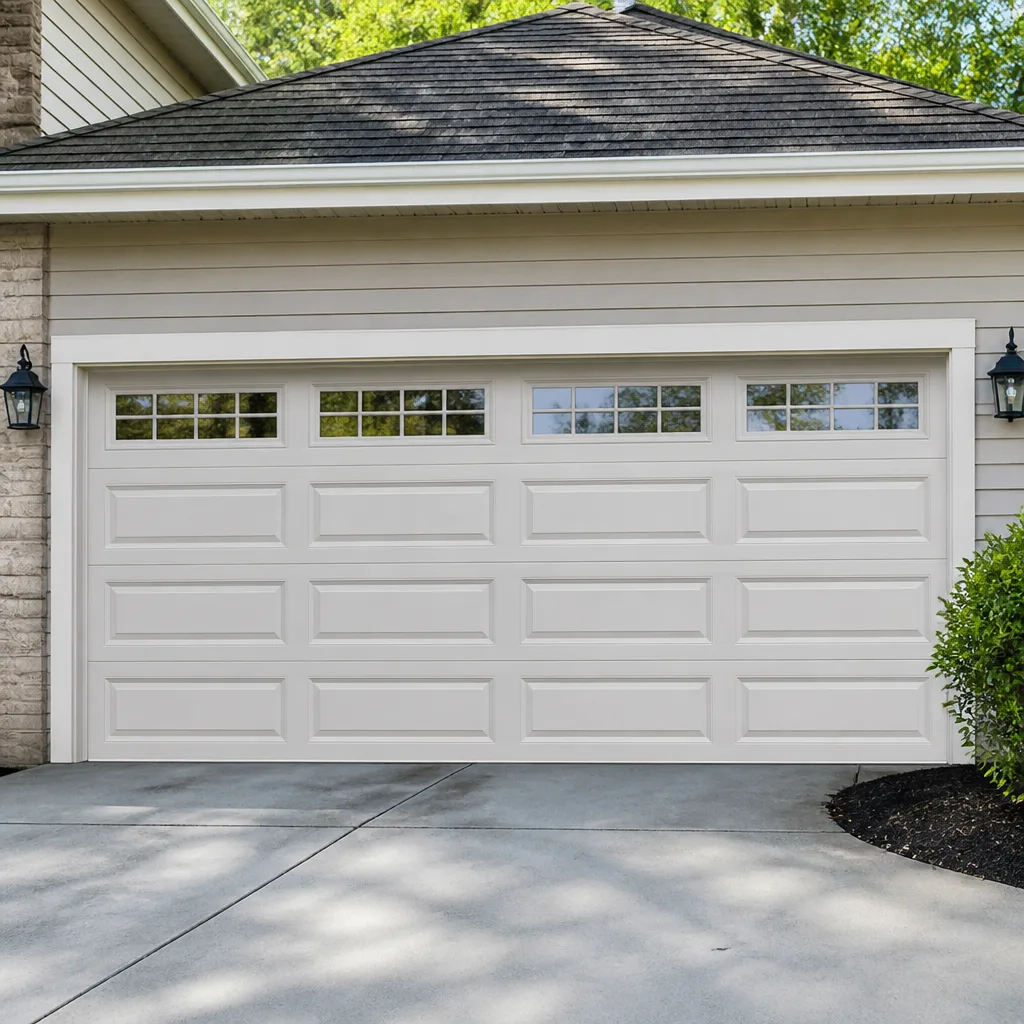 Raised-panel steel
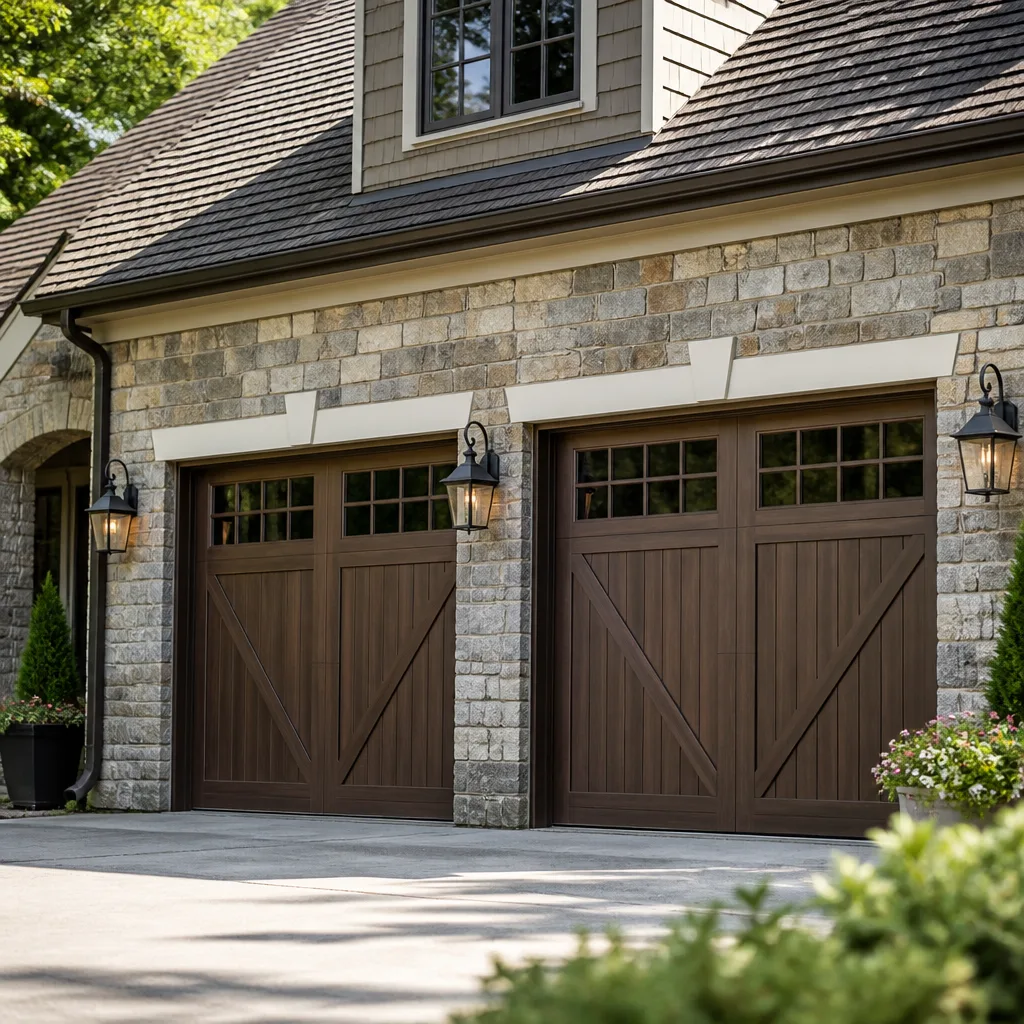 Carriage house
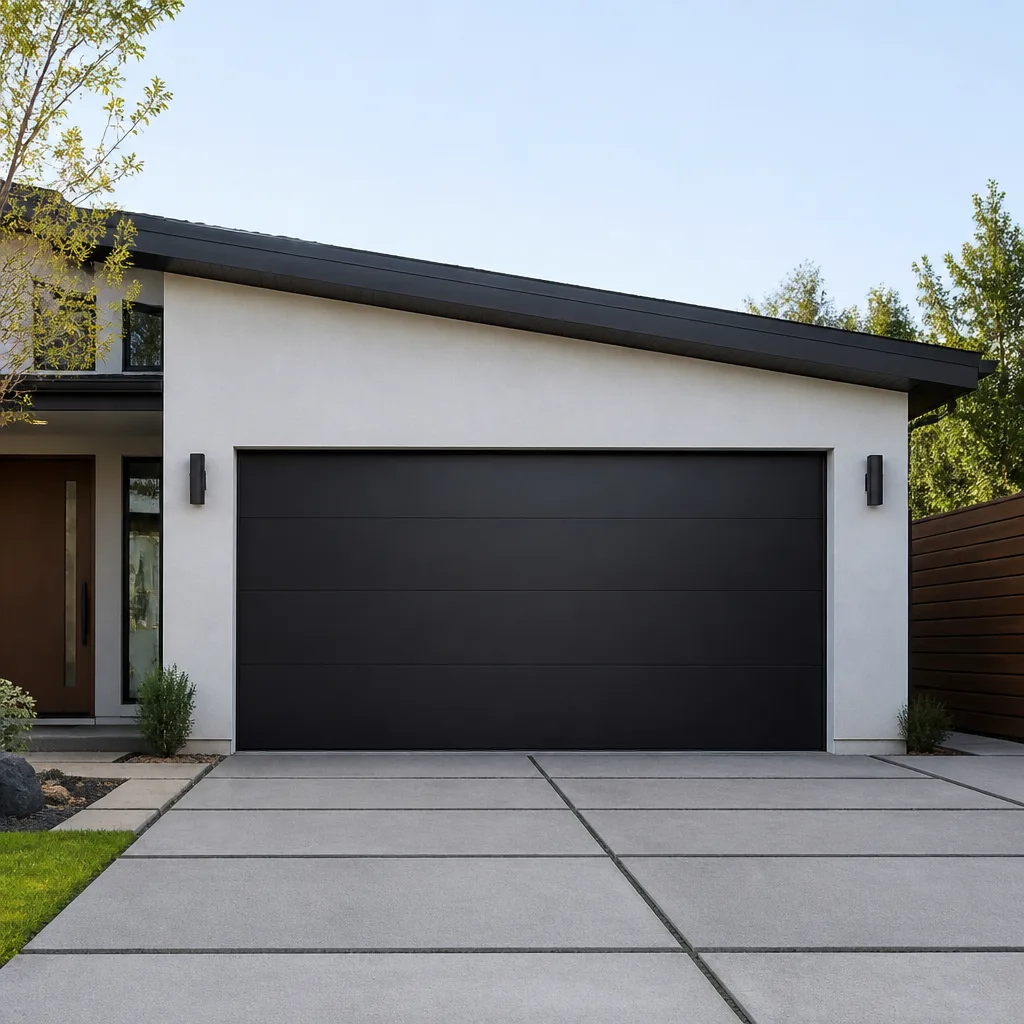 Modern flush
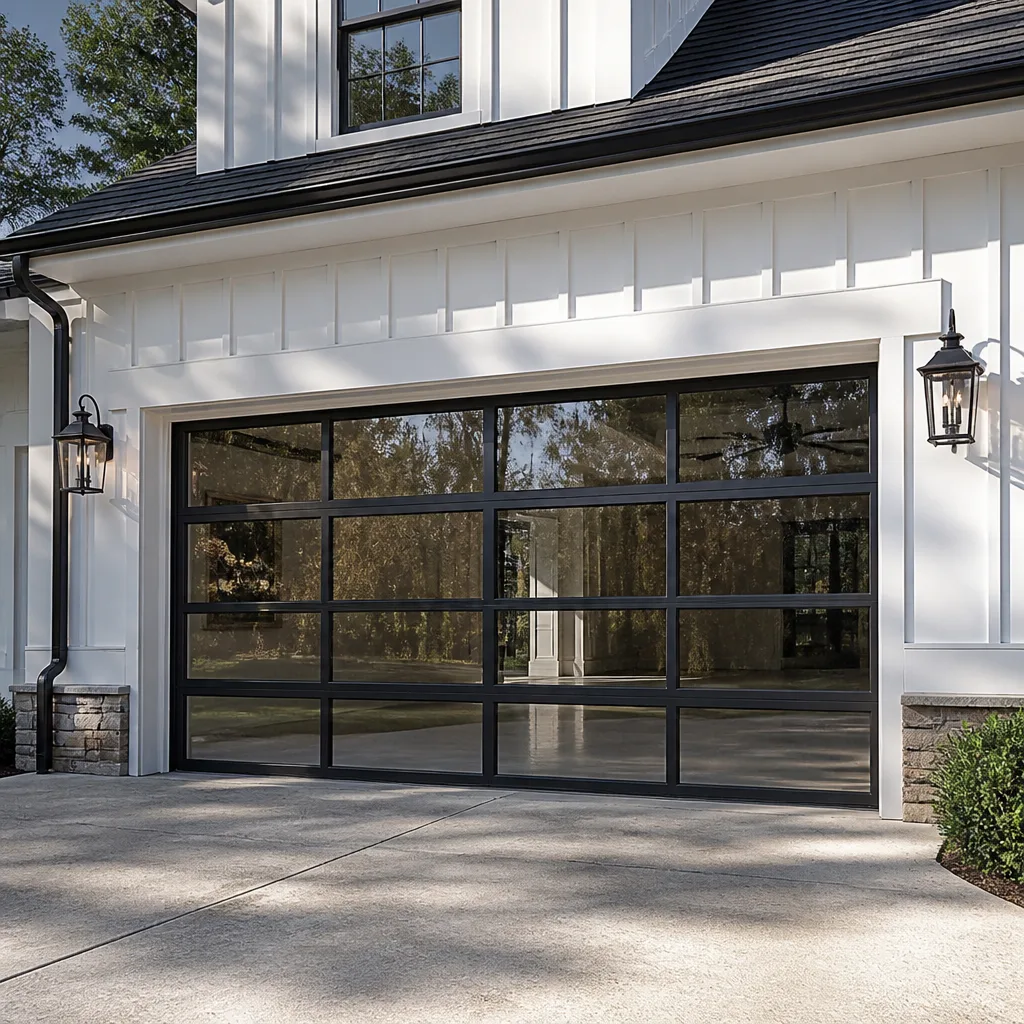 Full-view glass
 LiftMaster openers
 Chamberlain openers
Full 25-point door and opener safety check with every visit - springs, cables, rollers, tracks, and your LiftMaster or Chamberlain opener included
You get a price before we start. It does not change when the pro arrives.
Get your free estimateSeasonal Garage Door Care for Arlington: Year-Round Homeowner’s Guide
Most seasonal maintenance advice treats the year as four identical checklists with different labels. That approach fails in Arlington, where a garage door faces two genuinely different climates across twelve months. Summer brings weeks of humid heat and direct afternoon sun on south-facing doors. Winter brings repeated freeze-thaw cycles and road salt that clings to everything low to the ground. The lubricant that protects your rollers in January can turn gummy and seize them by August, and the rinse that saves your door in February does nothing for you in July. Here’s what actually matters at each transition, and why.
Quick Answer
A garage door in Arlington needs different care in each season: seal and threshold checks in early spring after freeze-thaw, sun and heat protection in summer, weatherstripping and opener battery checks in fall before the first freeze, and salt rinsing plus hardware lubrication through winter. The right product for each job changes with the season too. A door that gets all four checks stays quieter, lasts longer, and is far less likely to fail at an inconvenient moment.
Styles & brands we work with
- Raised-panel steel
- Carriage house
- Modern flush
- Full-view glass
- LiftMaster openers
- Chamberlain openers
Table of Contents
- Spring Care (March-April): Seals, Thresholds, and Freeze-Thaw Damage
- Summer Care (June-August): Heat, Sun, and Panel Warping
- Fall Care (October-November): The Pre-Winter Checklist
- Winter Care (December-February): Salt, Moisture, and the Bottom 18 Inches
- Which Lubricants Actually Work in Arlington’s Humidity
- A Simple Monthly Inspection You Can Do Yourself
- Common Mistakes to Avoid
- Frequently Asked Questions
Spring Care (March-April): Seals, Thresholds, and Freeze-Thaw Damage
Arlington winters swing above and below freezing repeatedly, and that cycle is rougher on a garage door’s bottom seal than a single long cold snap would be. Water melts into the gap under the door during the day, then freezes and expands overnight. Over a season, that expansion pries at the rubber seal, cracks the concrete at the threshold, and leaves the door sitting slightly uneven. By March, most doors in Arlington have a seal that’s no longer doing its job, even if it still looks intact from the driveway.
Here’s how to assess your bottom seal before pollen season arrives and the problem gets hidden under debris:
- Do the paper test. Close the door on a sheet of paper placed at several points along the threshold. If the paper slides out easily, the seal isn’t making contact and cold air, water, and pests are getting in.
- Look for compression set. A healthy seal springs back when you press it with a finger. One that stays flattened or feels brittle has lost its resilience to freeze-thaw cycles.
- Check the threshold concrete. Hairline cracks along the garage floor at the door line are normal wear. Chunks that are loose or a threshold that has heaved unevenly need attention before the gap lets water pool inside.
- Test the door’s balance. Disconnect the opener and lift the door halfway by hand. It should hold position. A door that drifts down on its own is telling you the springs are working harder than they should.
- Clear the tracks of grit. Winter road grit collects in the track channels. A stiff brush and a dry cloth remove it before it grinds against the rollers all summer.
If the seal needs replacing, it’s one of the cheaper fixes on a garage door and one of the most consequential. A worn seal lets in water that rusts hinges and corrodes the bottom panel. If your door is a Clopay or Amarr model, the right seal profile matters more than the thickness; a mismatched seal leaves gaps no matter how well it’s installed. If you’re unsure whether your seal is still sealing, it’s worth a look from someone who handles garage door repair in Arlington regularly and can tell the difference between normal wear and a problem.
Summer Care (June-August): Heat, Sun, and Panel Warping
Summer in Arlington brings a specific problem that shade-covered doors never see: direct afternoon sun on a south- or west-facing door. Panel surfaces can get hot enough to soften vinyl skin and stress the adhesive bonds in wood-composite doors. This doesn’t happen overnight. It happens across hundreds of hot afternoons, panel by panel, until you notice a slight bow or a bubbling edge. Once vinyl has warped, it doesn’t relax back into shape on its own.
What to watch for in summer:
- Panel bowing on vinyl doors. Run a straightedge or a taut string across each panel. A gap in the middle means the panel has warped. This is most common on doors facing full afternoon sun.
- Bubbling or delamination on composite doors. Press gently along panel edges. Soft spots or bubbling indicate moisture has gotten under the skin and heat is lifting it.
- Paint and stain fading. Wood doors left unpainted in the Arlington summer sun dry out and check. A fresh coat before the heat peaks protects the surface for the next year.
- Opener strain. A door that’s harder to lift in summer (warped panels, swollen wood) puts extra load on the opener. Listen for a motor that labors or a chain that runs louder than it did in spring.
- Lubricant migration. Heat thins some lubricants and they migrate away from the surfaces that need them. That’s the July gummy-residue problem in reverse: light oil runs off, leaving metal-on-metal contact.
If your door is a LiftMaster- or Chamberlain-operated system, check the opener’s manual for a seasonal note on travel limits. A warped panel or a swollen wooden frame can cause the opener to reverse early or stop short, and the fix isn’t always a new opener. It’s often the door itself asking for adjustment. In August, the goal is protecting the door from sun and heat so the hardware underneath isn’t fighting it the rest of the year.
Fall Care (October-November): The Pre-Winter Checklist
Fall is the most important maintenance window for a garage door in Arlington. The first hard freeze will lock in place whatever you didn’t fix in October. That means every item on this list is about getting the door ready for freeze-thaw before the weather turns:
- Inspect weatherstripping. The seal around the sides and top of the door, not just the bottom, does most of the draft-blocking work. Look for cracking, missing sections, or strips pulling away from the frame. Replace anything that’s stiff or torn before it lets cold air and moisture into the garage.
- Test the opener’s battery backup. Many modern openers from LiftMaster and Genie come with battery backup for power outages. Fall is when you should test it, not the night the power goes out. Press the opener and see if it works after unplugging it briefly.
- Inspect the cables. Look at the cables running along the sides of the door. Fraying, kinks, or rust streaks near the drum are signs a cable needs replacement by a trained technician. Don’t handle cables yourself; they’re under the same high tension as the springs.
- Check the springs. Listen for a bang from the garage, or for a door that suddenly feels very heavy. Springs don’t fail gracefully; they break, and they usually break when the door is being used the most.
- Lubricate with the right product. As temperatures drop, use a cold-weather-appropriate lubricant on hinges, rollers, and tracks. A thin oil applied in October may thicken and stop working by December.
- Clear the tracks and check the alignment. Grit and debris from summer should be gone before it can freeze into the tracks.
- Adjust the opener’s force setting only if needed. A door that suddenly needs more force to open is usually telling you a spring or roller is failing, not that the opener needs to push harder.
Fall is also the right time to book any repair that isn’t urgent, before the winter rush. A door that needs garage door opener repair should get it now, while there’s time to test it under a few realistic conditions, rather than the morning it stops working altogether.
Winter Care (December-February): Salt, Moisture, and the Bottom 18 Inches
Arlington’s winter road salt is not just a minor cosmetic nuisance. Spray from tires and plows reaches the bottom of a garage door and settles into the seams, hinges, and metal edges. Repeated salting, thawing, and refreezing attacks the bottom 18 inches of any door. On steel doors, that means rust spots along the panel seams and hinge screws. On wood doors, it means paint lifting and bare wood soaking up salty water. Left alone, the corrosion spreads upward year after year until a panel edge is more rust than metal.
The simplest defense is a monthly rinse. On a mild day, hose the bottom of the door and the concrete apron in front of it. A light rinse removes the salt before it can do its damage. Follow with a quick wipe-down with a damp cloth on the bottom hinges. This single habit prevents the kind of corrosion that turns a $400 repair into a bottom-panel replacement, and it takes about ten minutes.
Winter also brings specific checks worth doing:
- Moisture inside the garage. A garage door seal that failed in fall will let snowmelt pool at the threshold. Keep an eye on the floor by the door after a storm.
- Cable and spring inspection. Cold metal is more brittle. Look for rust streaks on the springs and any signs of a stretched or sagging spring. Don’t test springs by hand; it’s a spring’s job to be dangerous.
- Roller condition. Nylon rollers stiffen in the cold. If the door starts running louder or jerky in January, the rollers may need replacement before they gouge the tracks.
- Opener performance. A cold, stiff door is harder to lift. If the opener reverses or hesitates, don’t increase the force setting blindly; diagnose the door first.
- Snow and ice at the threshold. Keep the driveway apron clear so snow doesn’t pile up against the door and melt directly into the bottom seal.
If winter does bring a bad break, whether it’s a snapped spring or a door that came off its track, garage door spring repair and emergency service are things to call in rather than try yourself. A stuck-open door is a security risk in Arlington winters, and a stuck-closed door is a trap. We handle both.
Which Lubricants Actually Work in Arlington’s Humidity
The single most common question we get about garage door care in Arlington is which lubricant to use. The answer changes with the season, and that’s the part most product labels leave out. Northern Virginia’s summer humidity ranges high enough that many light oils attract dust and turn into a sticky paste. Winter cold makes other lubricants stiff and useless. What works in July doesn’t necessarily work in January.
Here’s a rough guide based on where and when you’re applying:
- Hinges and rollers (year-round baseline): white lithium grease. It stays put in heat and cold, doesn’t attract dust the way oil does, and is easy to apply with a spray can. A light coat on hinge pivots and roller stems twice a year covers most of the wear surfaces.
- Track contact surfaces (summer): a dry silicone spray. A thin, dry film on the metal track surface helps rollers glide without collecting dust. But not all silicone sprays are equal: cheap wet silicone sprays sold at big-box stores in summer leave a residue that turns tacky in the coastal-style humidity and actually slows the door down. Look for a dry-film product, not a wet spray.
- Track contact surfaces (winter): light oil sparingly. In cold weather, thin oil redistributes freely and keeps rollers moving. Too much oil, though, attracts grit that grinds the track surface. A drop or two is enough.
- What to avoid: WD-40 as a long-term lubricant. It’s useful for freeing a stuck bolt. It isn’t a lubricant for garage door hardware. It evaporates and leaves parts dry.
- What to avoid: grease on the tracks. Heavy grease collects grit and debris. It’s the fastest way to wear out the rollers and damage the track surface.
If you’re not sure what your door needs, ask. The right answer depends on your door’s age, the brand (a Wayne Dalton steel door and a wood composite Clopay have different needs), and where the door sits relative to the afternoon sun. When you call for garage door repair or a maintenance check, the technician can tell you which lubricant fits your setup. Our technicians have up to 10 years of experience across the major brands we service, so we’ve seen how different products behave in Arlington across all four seasons.
A Simple Monthly Inspection You Can Do Yourself
Seasonal care covers the big transitions. A short monthly check catches the things that develop in between. This takes ten to fifteen minutes and doesn’t need any tools:
- Visual pass. Walk around the door with it closed. Look for rust spots, dents, warped panels, and loose hinges.
- Run your hand along the bottom seal. Feel for tears, brittleness, or a seal that has flattened.
- Test the balance. Disconnect the opener and lift the door halfway. It should stay. If it drifts or feels heavy, that’s a spring issue, not a door issue.
- Listen to the door. A door that squeaks, grinds, or pops during operation is telling you something’s loosening or wearing. Don’t wait for it to fail.
- Test the safety reverse. Place a roll of paper towels or a small piece of wood under the door and close it. The opener should reverse on contact.
- Check the opener’s lights and error indicators. Modern openers from LiftMaster and Chamberlain flash specific codes when something is wrong. Read the manual once and note where the code chart is.
None of these steps require you to touch a spring or a cable. Those are tension-loaded parts, and they’re best left alone. Everything else on this list is safe for a homeowner to check and helps you catch problems early.
Common Mistakes to Avoid
Most garage door problems we come across in Arlington come from a handful of avoidable mistakes. Here are the ones worth knowing about:
- Applying the wrong lubricant for the season. Light oil in summer leaves a gummy residue by fall; heavy grease in winter hardens in the tracks. Match the product to the season, not to whatever can is closest on the shelf.
- Spraying silicone on every surface. Silicone has its place on the track surface, but spraying it on hinges and roller stems can leave them under-lubricated. Silicone is a dry film, not a load-bearing lubricant.
- Ignoring the bottom seal. A seal that’s flattened by freeze-thaw lets water into the garage and rusts the bottom panel. It’s one of the cheapest parts to replace and the most consequential when ignored.
- Skipping the winter salt rinse. Salt isn’t a cosmetic problem. A monthly rinse protects the bottom 18 inches of the door from corrosion that spreads year after year.
- Forcing a stubborn door with the opener. When the door feels heavy or reverses unexpectedly, most people turn up the opener’s force setting. That hides the symptom and wears out the opener while the underlying problem (spring, roller, or track) gets worse.
- Trying to replace springs as a DIY project. Springs are high-tension metal under load. A snapped spring can cause serious injury, and replacing one requires specific tools and technique. This is a professional job, not a Saturday project.
- Waiting until something breaks to call. A spring that fails in February is more expensive and less convenient than one replaced in October. Fall is the right time to book a service call in Arlington, before the freeze sets in.
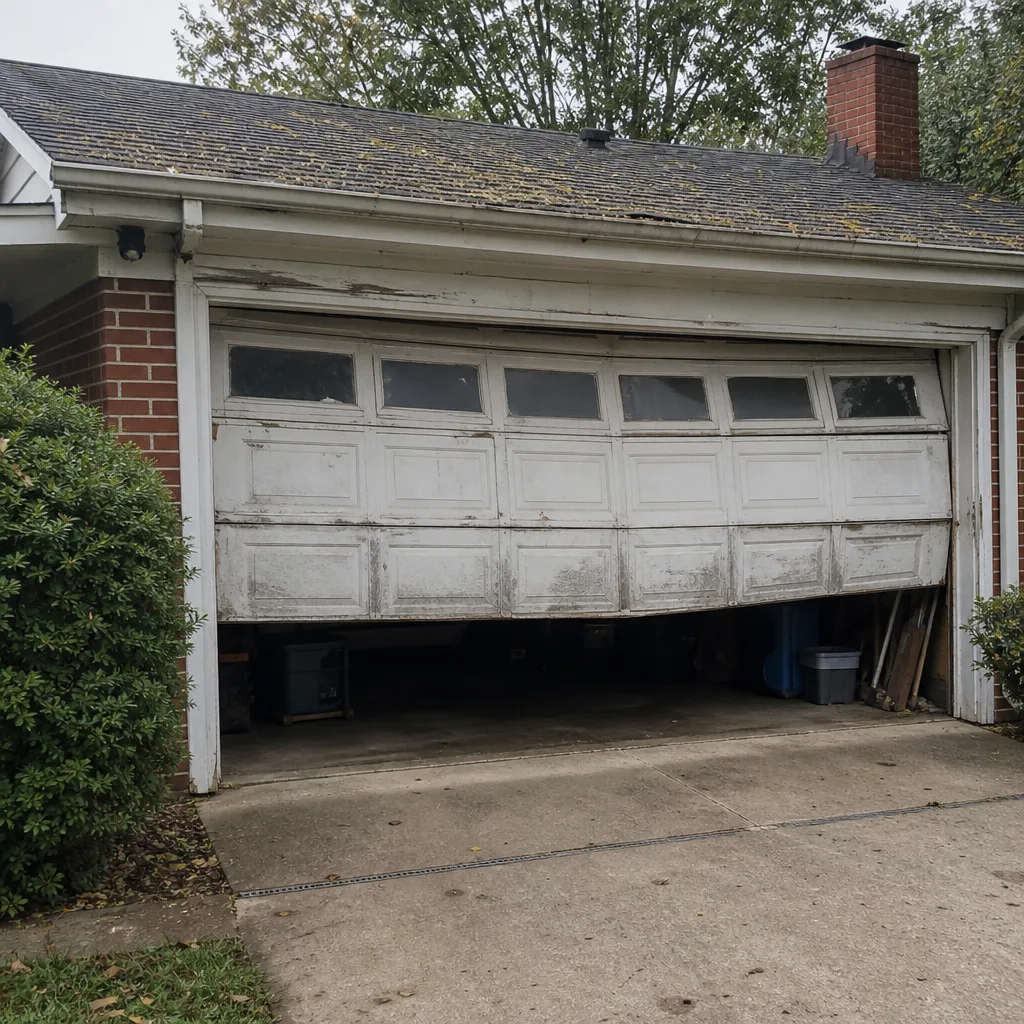
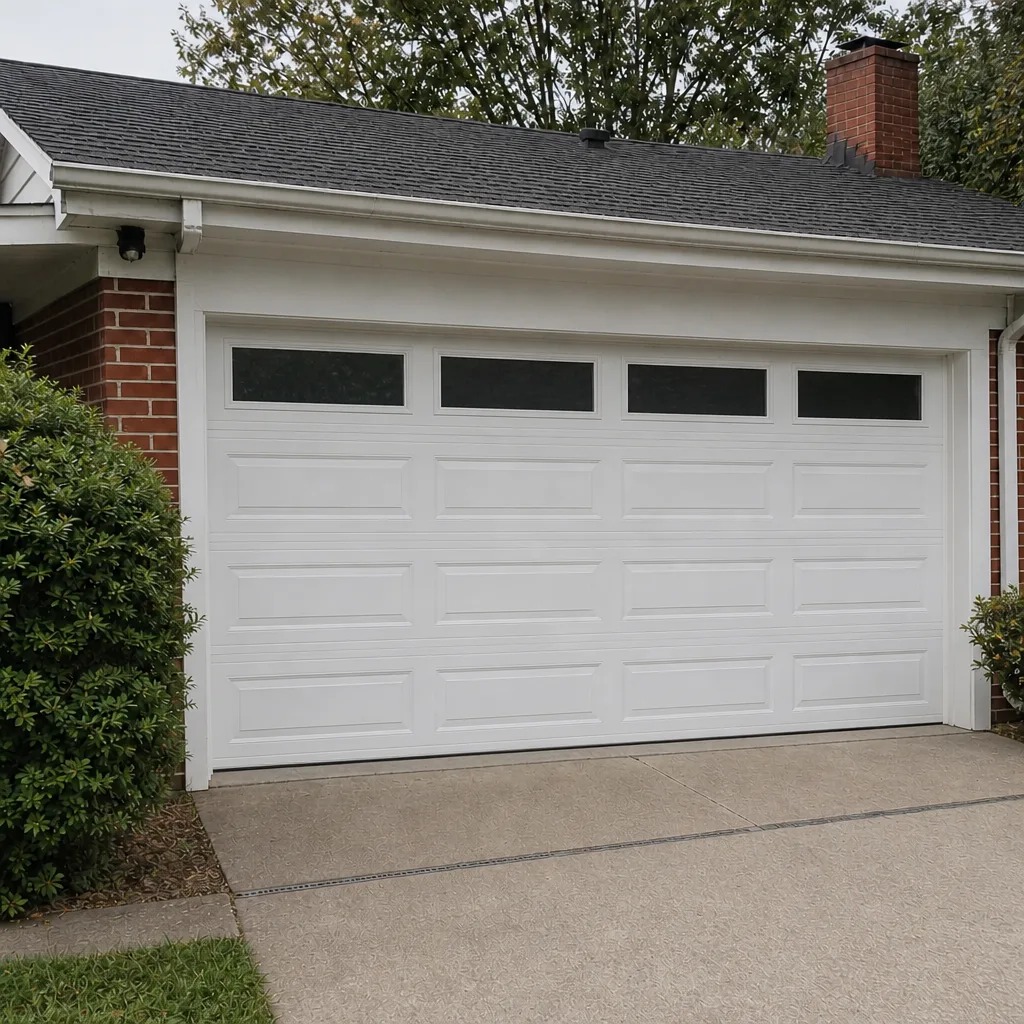
See the difference
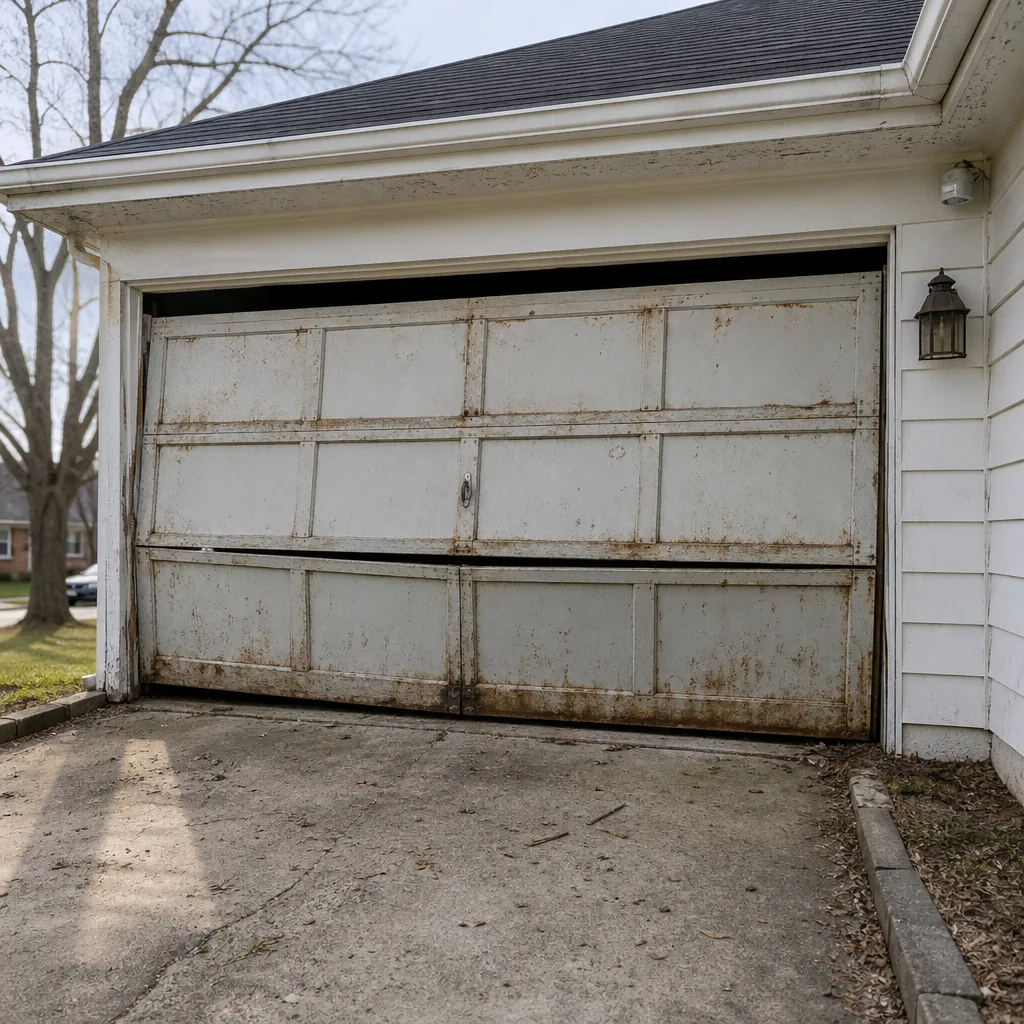 Before
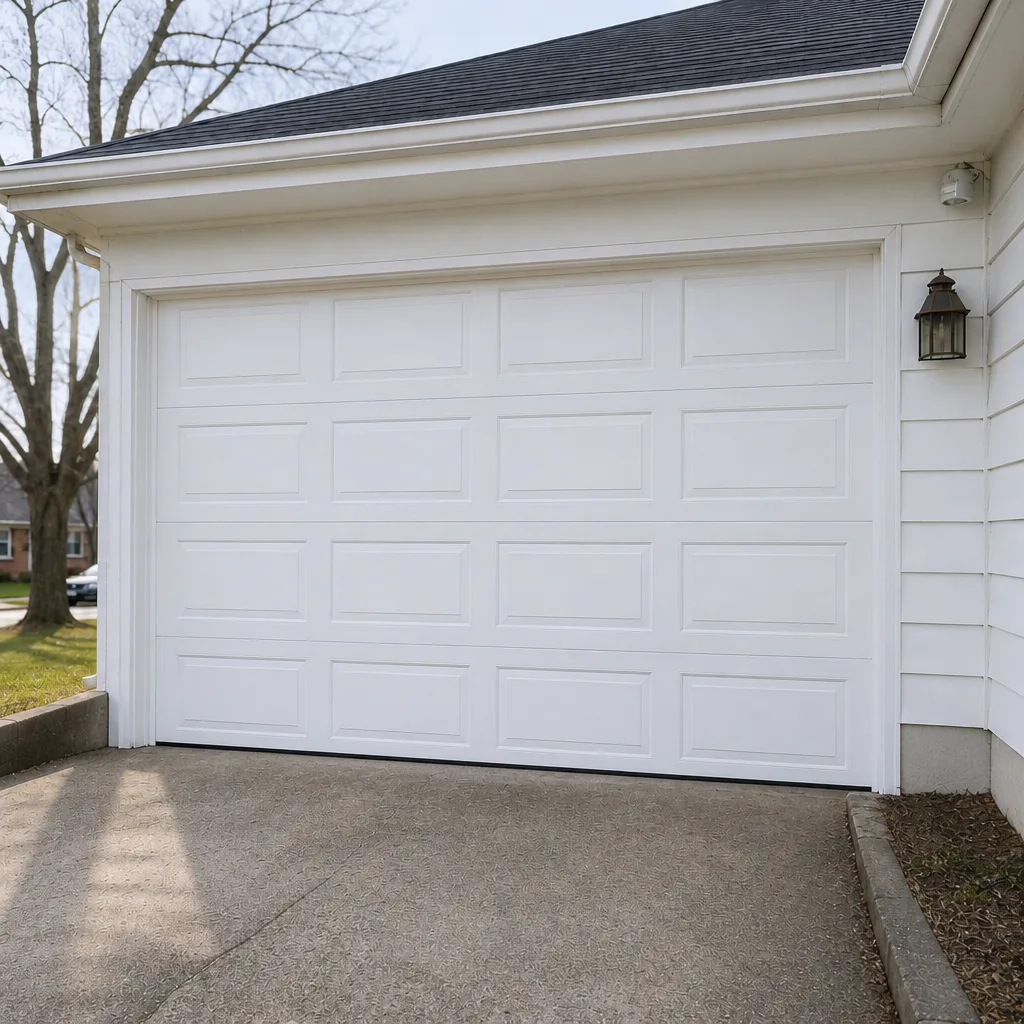 After
 Before
 After
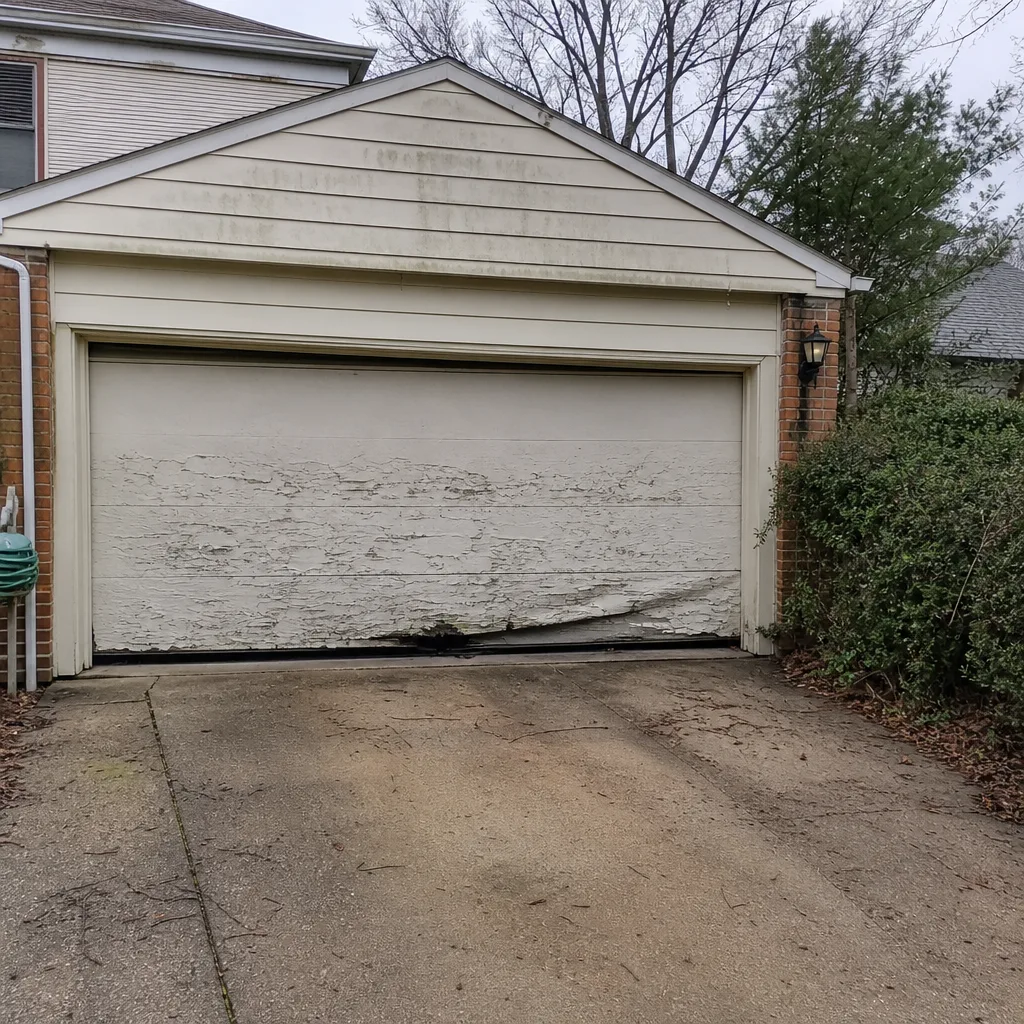 Before
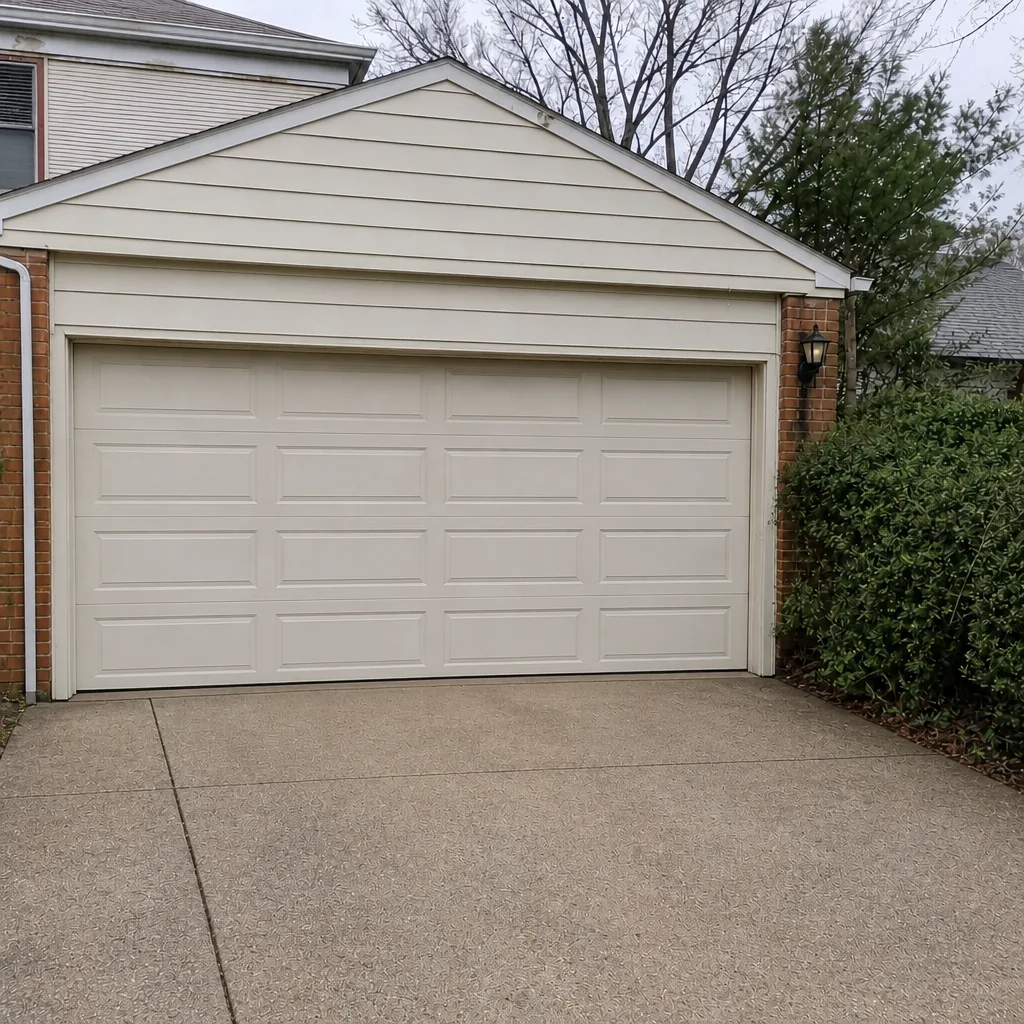 After
When to Call a Professional
Some garage door issues are safe to handle yourself, and some aren’t. Call a trained technician for anything involving springs or cables, especially a snapped spring or a cable off its drum. Call for a door that has come off its track, or one that reverses before closing or won’t open at all. Call if the door is noticeably harder to lift than it was a few months ago, or if the opener is laboring or making a new noise. Call if a panel is warped enough that it’s rubbing against the frame, and call if the bottom seal needs replacing on a wood or steel door where getting the profile right matters.
Pryor Garage Door Repair offers free estimates in Arlington. Call (844) 917-3733. We answer 24/7. Fast dispatch from 7am to 7pm, Sunday through Friday. We’re a Pryor Garage Door Repair team that handles the whole door, not just the opener, so whether it’s a worn spring or a full new installation you’re after, one call covers it. If you’re not sure whether your door needs attention, ask us on the phone. It’s a short conversation and it saves you the guesswork.
Frequently Asked Questions
A seasonal maintenance visit typically runs $90 to $180 per door. A new bottom seal costs $60 to $150 installed, and a spring replacement runs $180 to $340 for a single spring. Every price is quoted and agreed on before any work starts, so the written estimate sets the final number. Call (844) 917-3733 for an exact quote; estimates are free.
Yes, we handle emergency garage door repair, and same-day service is often available for doors that won’t close, won’t open, or have come off the track. Call (844) 917-3733. We answer 24/7. Fast dispatch from 7am to 7pm, Sunday through Friday. A door stuck open is a security risk in any Arlington season, so it’s worth calling the same day.
Twice a year as a baseline, once in spring and once in fall, plus a spot check in mid-summer. Arlington’s humidity means light oils can turn gummy in summer, so feel the hinges and rollers in July. If they feel dry, touch them up with white lithium grease. Use a dry silicone spray on the tracks, not a wet spray or a heavy grease.
No. Every job is quoted and agreed on in writing before work starts, and the written quote is the number you pay. If the technician finds something else while on-site, you’ll hear about it before any extra work begins. We don’t perform work that wasn’t in the quote. Call (844) 917-3733 for a free estimate.
The local professionals we connect you with are licensed and insured as their state requires, and we work with independent local pros who specialize in garage doors. Pryor Garage Door Repair only handles garage door systems, not side trades, so you’re not calling a generalist who works on doors on the side. Call (844) 917-3733 with any questions before booking.
Yes. Wood doors need paint or stain refreshed before summer heat and again before winter freeze, and they’re more susceptible to moisture damage at the bottom seal. Steel doors need attention to salt corrosion along the bottom 18 inches. Composite doors like some Clopay models fall in between: watch for bubbling at panel edges in summer. The care checklist is broadly the same, but the vulnerabilities and products differ.
The Bottom Line
Seasonal garage door care in Arlington isn’t four versions of the same checklist. It’s four different jobs matched to what the weather does to your door throughout the year. Spring is about seal and threshold recovery after freeze-thaw. Summer is about heat and sun on south-facing panels. Fall is the critical pre-winter window for weatherstripping, opener battery backup, and cable inspection. Winter is about salt, moisture, and the bottom 18 inches of the door. Match the right lubricant to the right season, keep the seals and tracks clear, and let a professional handle anything involving springs or cables. If you’d like a free estimate or a second opinion, call (844) 917-3733. We answer 24/7. Fast dispatch from 7am to 7pm, Sunday through Friday.
Written by the team at Pryor Garage Door Repair.