
Last updated November 21, 2026
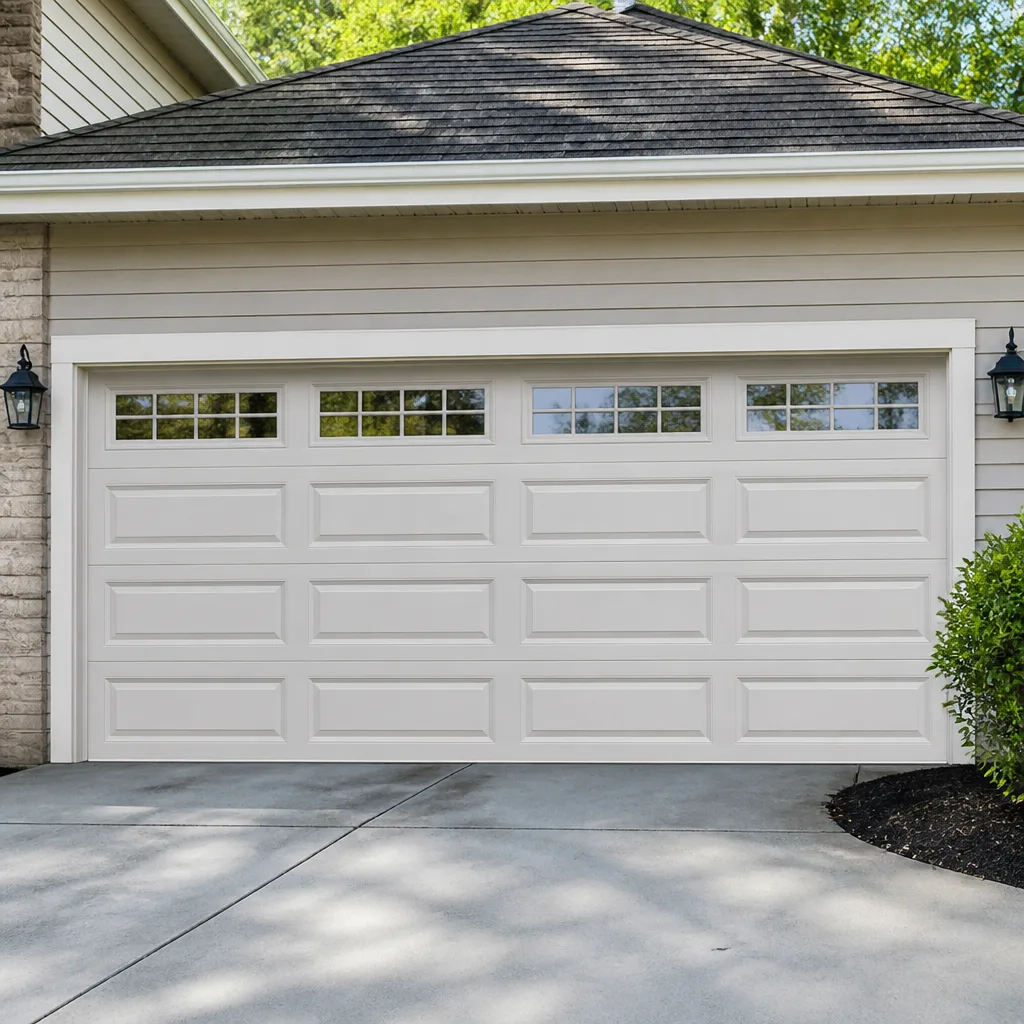 Raised-panel steel
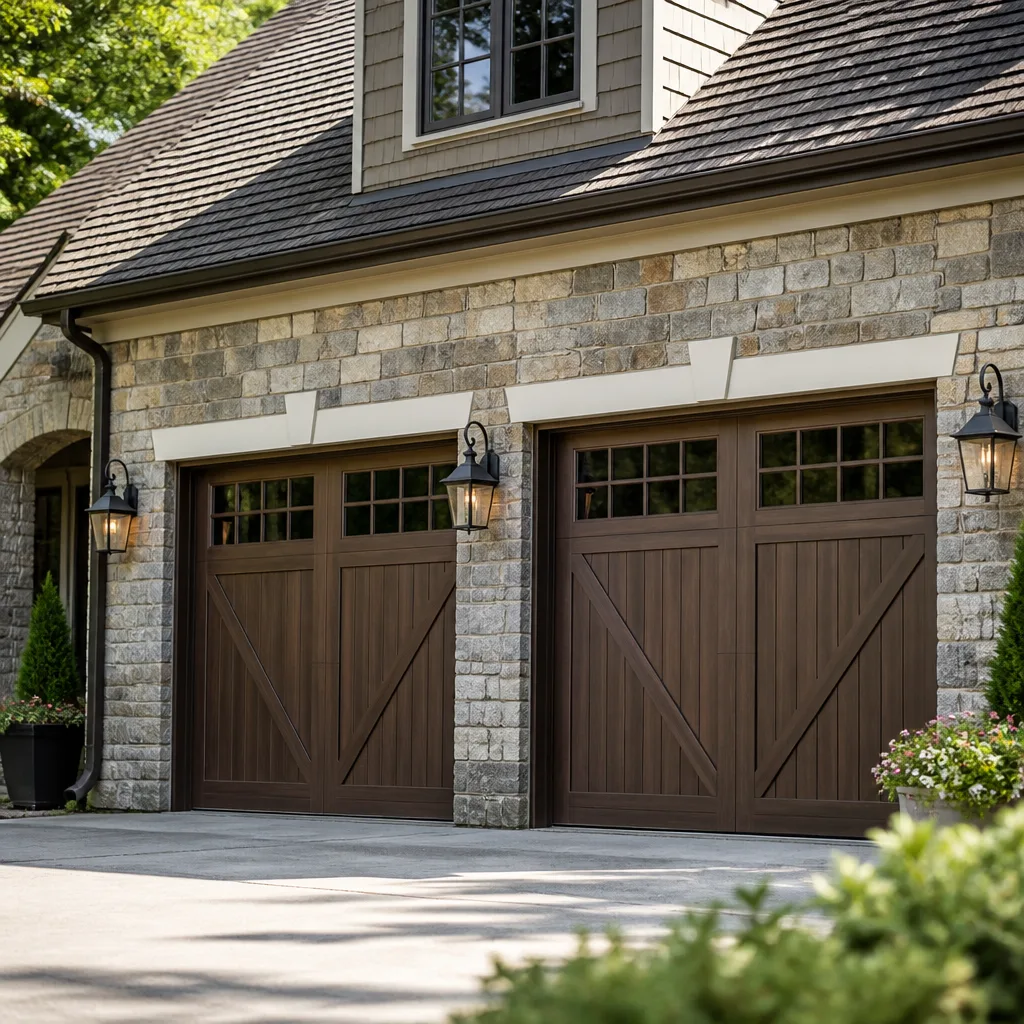 Carriage house
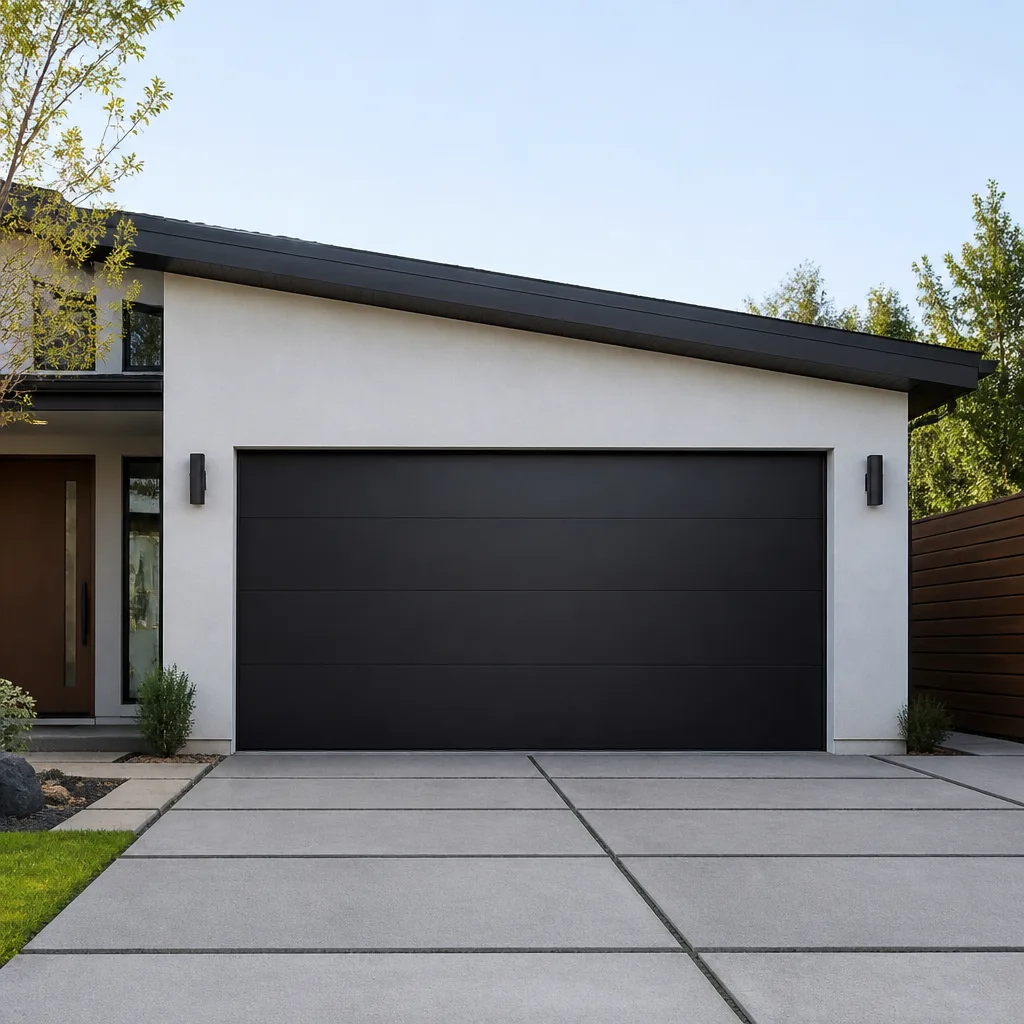 Modern flush
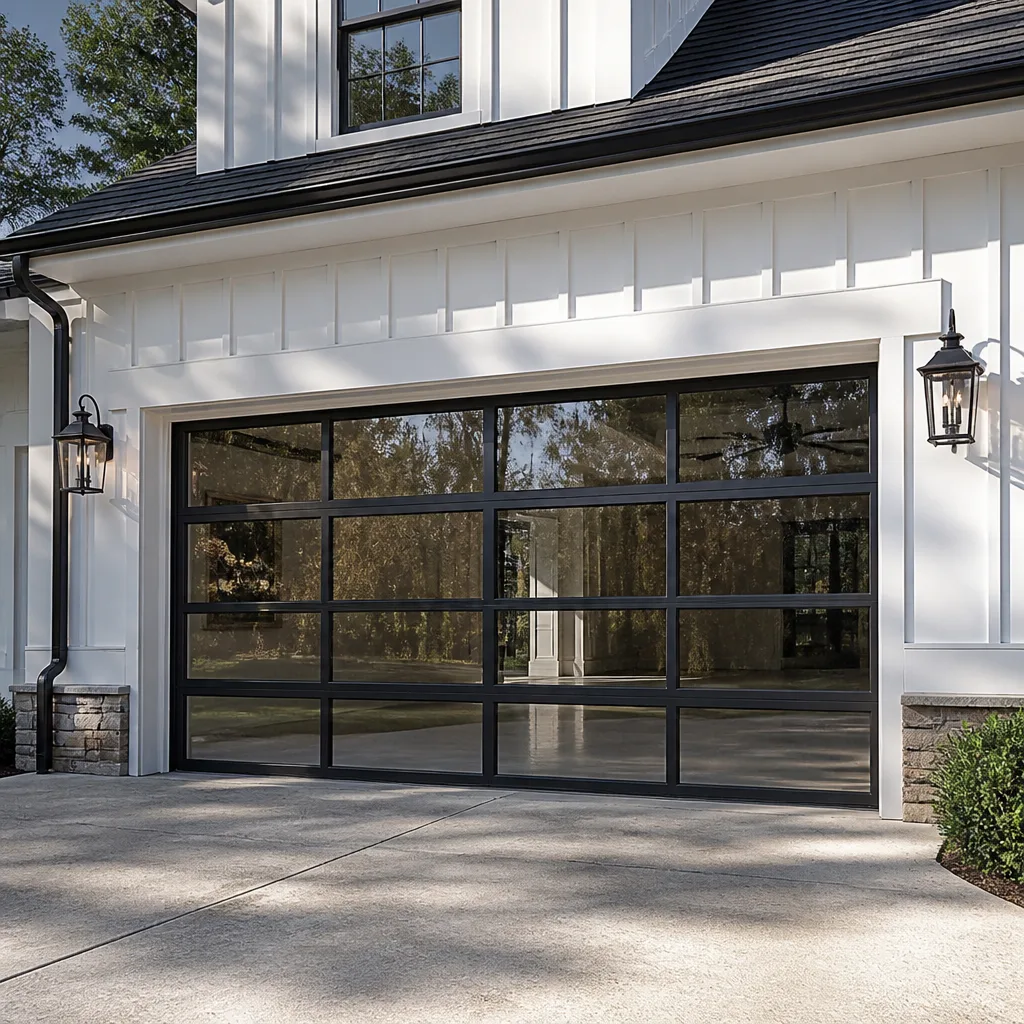 Full-view glass
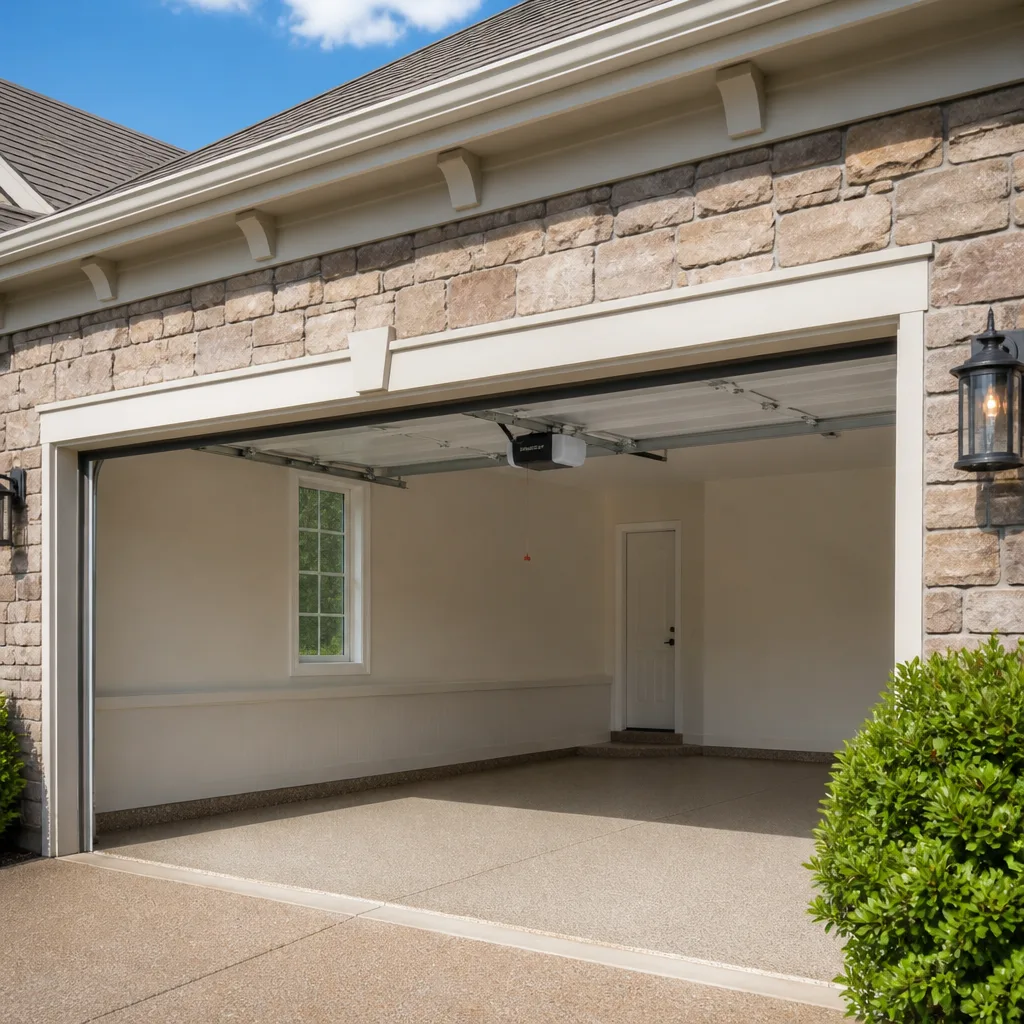 LiftMaster openers
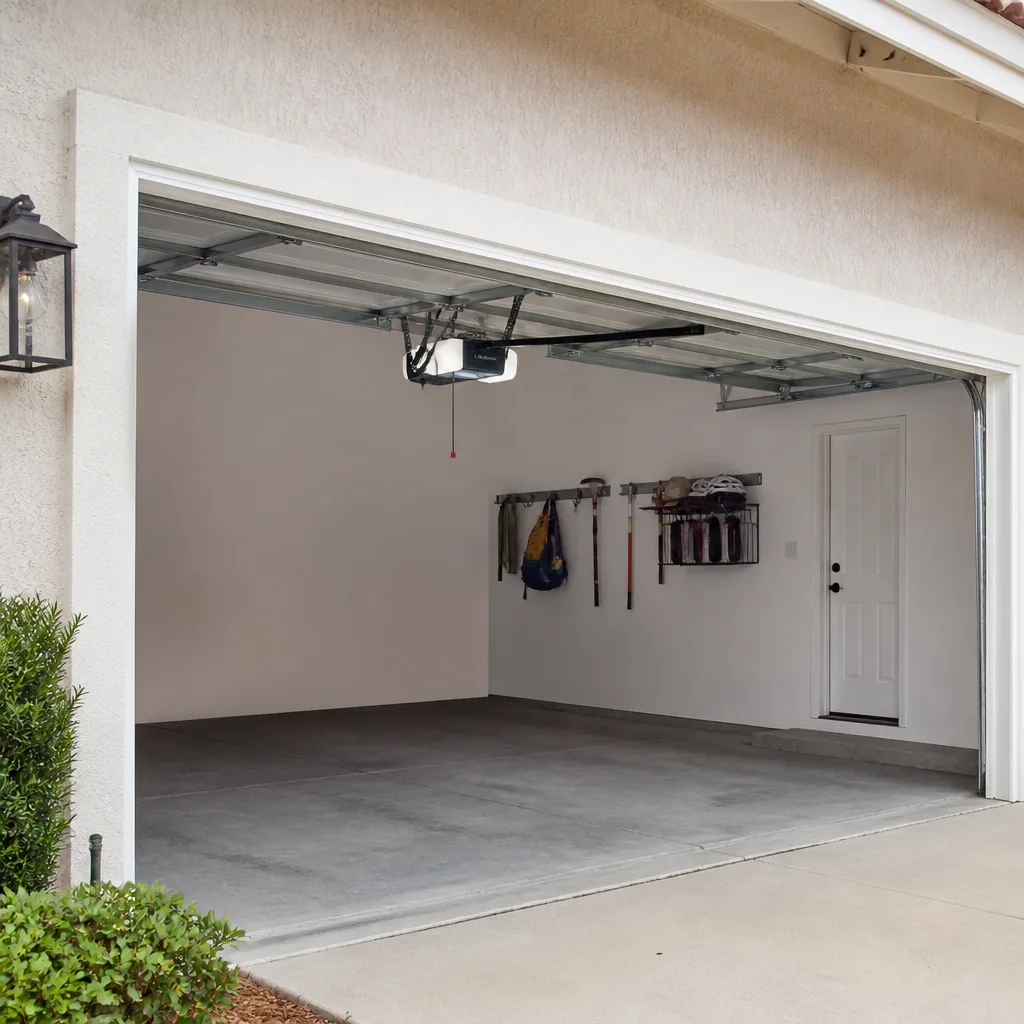 Chamberlain openers
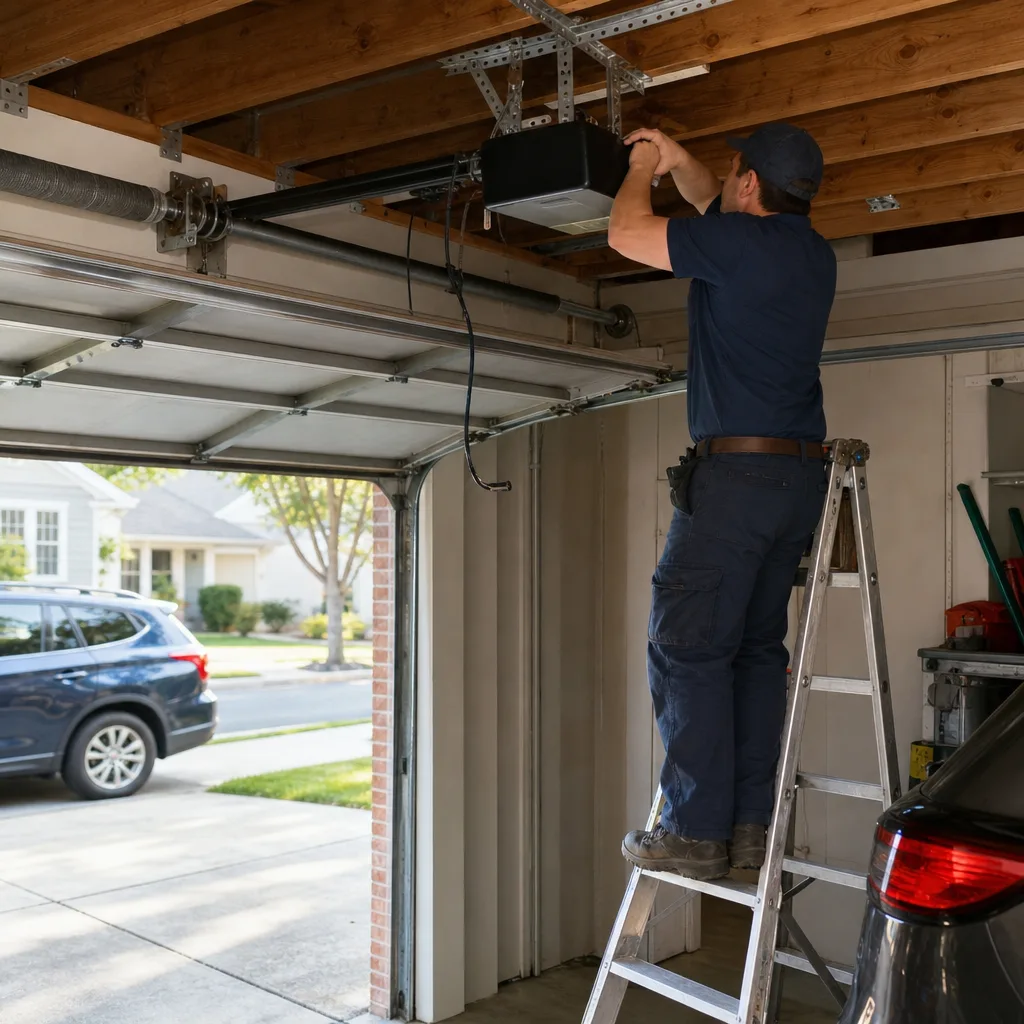
Full 25-point door and opener safety check with every visit - springs, cables, rollers, tracks, and your LiftMaster or Chamberlain opener included
You get a price before we start. It does not change when the pro arrives.
Get your free estimateChoosing the Right Garage Door Brand: A Buyer’s Guide for Arlington
Buying a garage door brand your local technician doesn’t stock parts for is a decision that feels invisible at install and costs you an extra week of wait time the first time something breaks. Most Arlington homeowners pick a brand the way they pick a paint color: whatever the showroom had on display, or whatever a contractor prefers to install. That works until the door needs a repair, and suddenly you’re waiting on a panel that has to ship in from three states away. This guide looks at garage door brands through the lens that actually matters for Arlington homes: how they handle humidity and thermal swings, whether their parts stay available years down the road, and how they fit the architecture you see across Northern Virginia. You’ll get a side-by-side comparison, a style-matching framework, plain-English warranty decoding, and a total-cost-of-ownership view that most door shopping leaves out.
Quick Answer
There’s no single best garage door brand for Arlington. The right choice is the one with strong insulation performance, real parts availability for future repairs, and a style that matches your home’s architecture. For most Arlington homes, a mid-tier door from a well-supported brand (Clopay, Amarr, Wayne Dalton, or CHI) will serve you better over 15 years than a premium door from a brand with limited local parts presence. If you want a warm, stable garage in our climate, look at insulated steel or composite doors, confirm that panels and hardware are stocked or quickly sourced in the region, and get a written estimate before anything is ordered.
Styles & brands we work with
- Raised-panel steel
- Carriage house
- Modern flush
- Full-view glass
- LiftMaster openers
- Chamberlain openers
Table of Contents
- Why Arlington’s Climate Changes What You Should Buy
- Head-to-Head: The Four Brands You’ll See Most in Arlington
- Matching Door Style to Arlington’s Architecture
- The Parts Availability Question Every Buyer Should Ask
- Warranty Terms Decoded: What “Lifetime” Actually Covers
- Total Cost of Ownership: The 15-Year View
- What Installation Involves and What It Costs
- Common Mistakes to Avoid
- When to Call a Professional
Why Arlington’s Climate Changes What You Should Buy
Arlington sits in a mid-Atlantic pocket that swings hard between humid summers and cold winters with freezing nights. Your garage door is the biggest movable wall on the house, and it takes that swing every day. A door facing west can bake in afternoon sun during July and then sit at freezing overnight in January. That cycle stresses steel panels, warps uninsulated doors, and accelerates wear on springs, hinges, and rollers. Buying purely on appearance or price ignores the conditions the door will actually live in.
Humidity is the other factor. Arlington summers hold moisture in the air for long stretches, which shows up inside garages as condensation on cold steel and in wood doors as swelling at the base and edges. Insulated doors with a thermal break between the skins handle condensation better than single-sheet steel. Wood and wood-composite doors need paint or stain maintained more carefully here than in drier climates, or they’ll soak up moisture and start to delaminate.
If your garage is attached to the living space, insulation matters twice: once for the door’s own stability, and once for the heat and cool air it keeps from leaking into the house. Look for a door with a rated insulation value (R-value) that matches how you use the space. A garage you walk through every day, or one that holds a home gym or workshop, deserves a higher rating than a door that only shelters a car.
Here’s what the local climate asks of a new door in Arlington:
- Insulated panels with a thermal break to reduce condensation and hold shape through temperature swings.
- Galvanized or pre-painted steel for low maintenance and stable performance in humidity.
- Sealed or protected wood/composite edges if you prefer wood look and can commit to periodic finish maintenance.
- A spring system sized for the door weight so the opener and hardware aren’t working overtime.
Head-to-Head: The Four Brands You’ll See Most in Arlington
Most garage doors installed around Arlington come from four manufacturers: Clopay, Amarr, Wayne Dalton, and CHI. Comparing them only on sticker price misses the point. The table below compares them on the factors that determine how they perform over the life of the door.
| Brand | Insulation Options | Style Range | Warranty Approach | Local Parts Availability |
|---|---|---|---|---|
| Clopay | Steel doors from uninsulated up to high-R-value insulated construction | Broad – raised panels, carriage house, full-view, modern flush | Varies by series; finishes, hardware, and structural components carry separate terms | Widely stocked across Northern Virginia; panels and hardware generally quick to source |
| Amarr | Insulated steel options across most of its residential line | Classic raised panel and carriage styles; strong traditional look | Layered by series; finish and section warranties vary | Serviceable across the region; most panels available through local dealer networks |
| Wayne Dalton | Insulated and non-insulated steel; some foam-core lines for thermal efficiency | Wide range including carriage house and contemporary | Series-dependent; paint finish and hardware warranties are separate | Broad regional availability; hardware easy to find |
| CHI | Insulated steel lines with strong thermal performance | Contemporary and carriage styles; clean panel profiles | Warranty varies by door line and finish | Available in the region but with a smaller local footprint than Clopay or Amarr |
The comparison isn’t about which column wins. It’s about matching the door to your home and being honest about the parts reality. A Clopay or Amarr door in a common panel style will almost always be easier to repair quickly in Arlington than an unusual configuration from any brand. If you’re shopping in a style that isn’t common (very wide panels, full-view glass, custom colors), ask about replaceability before you sign anything.
For opening and closing hardware, most modern doors run on LiftMaster or Chamberlain openers, with Genie, Craftsman, and Raynor also showing up across Arlington garages. If your new door uses a newer smart opener from one of those brands, confirm that the opener and door weight are compatible before installation, or the door will operate sluggishly and wear faster.
Matching Door Style to Arlington’s Architecture
Arlington homes span roughly six decades of architecture in a single neighborhood. A door that looks perfect on a 1960s colonial will look off on a 2010s townhome or a craftsman-style detached house. Matching door style to the house is the single biggest factor in whether the finished install looks expensive or awkward. Here’s how we approach it.
1960s Colonials and Split-Levels
These homes usually have a traditional raised-panel look with a window row across the top. A classic raised-panel steel door in a carriage-style frame or standard panel gets this right. Solid white, almond, or a shade that echoes the trim color reads cleanly. Glass top sections look proportionate because the homes were designed with a low horizontal roofline and the door is a visual counterpoint, not a focal point.
2010s Townhomes
Most newer Arlington townhomes favor a clean, contemporary look. A full-view aluminum door with frosted or tinted glass, or a modern flush panel in a dark finish, is a compatible match. These doors also tend to sit on narrower openings, so proportions matter more than ornament. Avoid heavy carriage-style details on these homes; they fight the architecture.
Craftsman-Style Detached Homes
Craftsman architecture rewards doors with visible wood tones, simple stiles and rails, and a natural or stained finish. A wood-look composite door in a muted brown or deep gray, with simple hardware, fits the style without clashing. Solid wood construction looks impressive but demands maintenance here; a composite allows the look with less upkeep.
A quick rule: match the door’s material and finish to the dominant exterior material of the house (brick, siding, stone), match the door panel style to the home’s overall era, and match the color to the trim rather than the body of the house. That three-way match is more reliable than whatever the catalog features.
The Parts Availability Question Every Buyer Should Ask
Parts availability is the factor buyers most often skip, and it’s the one that shapes the next 10 to 20 years of your life with the door. A panel damaged by a backed-in car, a snapped spring, or a bent track can put the door out of commission until the right part arrives. If the brand and style are common and locally supported, that’s a quick fix. If they aren’t, you’re waiting.
When a contractor recommends a brand, the honest question isn’t “Is it a good brand?” It’s “How easy will it be to get panels, springs, and hardware for this exact model when something fails?” What a good answer looks like:
- They name the specific series and panel style, not just the brand. Brand familiarity alone doesn’t guarantee panel availability; the series and profile matter.
- They tell you where the parts come from – a regional distributor, a manufacturer warehouse, or a direct order. A specific answer beats “they’ll send it.”
- They offer to confirm availability before you order, especially for a custom color or unusual panel.
- They know the hardware ecosystem – the springs, hinges, rollers, and opener compatibility – not just the door.
- They can service it themselves after installation, rather than sending you back to the manufacturer or a different contractor for a spring swap.
An answer full of hedging (“should be fine,” “probably available”) is your cue to ask again. If the brand is genuinely uncommon in the Arlington market, that’s worth knowing before the door goes up. For the parts that matter most – panels and springs – ask about both. Springs are a wear item, not a one-time component; the door will need new ones eventually. When they do, garage door spring repair should be handled by someone who works on that brand routinely and understands the sizing and cycle ratings.
Warranty Terms Decoded: What “Lifetime” Actually Covers
Almost every garage door brand will reference a “lifetime” warranty on something. What the word actually covers varies enormously between brands, series, and components, and it rarely means what buyers assume. Most garage door warranties are broken into separate categories:
- Section/panel warranty – covers structural failure of the door panels. Usually the strongest term, sometimes described as “limited lifetime.”
- Hardware warranty – hinges, rollers, track, and other metal parts. Typically a shorter term (often one to five years) than the panel warranty.
- Finish/paint warranty – covers the factory paint or finish against peeling or rusting. Usually much shorter than the panel warranty and voided easily.
What voids a warranty matters just as much as what it covers. In Arlington, the common culprits are: improper installation, missing or damaged weather seals, painting over a factory finish with the wrong product, modifying the door for a non-standard opener, and neglecting hardware lubrication. Read the finish warranty terms before you let anyone paint a steel door, and make sure any door installation follows the manufacturer’s specified hardware and spring setup.
The other question worth asking: who honors the warranty – the manufacturer or the dealer? Most brands warrant their components, but the installing dealer is the one who files the claim and does the follow-up labor. That’s another reason to work with a company that can service the door after install. If a warranty claim takes weeks because the dealer isn’t familiar with the brand, the warranty’s value drops. Working with a shop that handles LiftMaster, Chamberlain, Genie, Clopay, Amarr, Wayne Dalton, Craftsman, and Raynor keeps that path short. For opener-specific issues, garage door opener repair is covered under separate terms from the door itself, and worth confirming when you’re choosing your opener brand.
Total Cost of Ownership: The 15-Year View
The price on the estimate is the start of the story, not the end. Over 15 years, a door’s real cost includes the purchase price, the cost of repairs, how long between repairs, and how long parts take to arrive when something fails. A mid-tier door from a well-stocked brand often beats a premium door from a brand with limited local service presence, because the mid-tier door gets repaired quickly and the premium door gets repaired slowly.
This is where brand choice quietly compounds. Consider two doors:
- Door A: Premium brand, uncommon style, limited local parts. Lower hardware quality on a per-component basis but gorgeous design. First panel or spring failure means waiting on a part. Repair time stretches. The homeowner eventually replaces the door early or lives with a slow, noisy door.
- Door B: Mid-tier brand, common style, wide local parts availability. Simpler materials, but every part is a phone call away. Springs, rollers, and panels swap in a day. The door runs smoothly for its full life with modest maintenance.
Over 15 years, Door B usually wins on total cost and on daily satisfaction. It just doesn’t look as clever in the showroom. That’s the trade-off Arlington buyers should make with open eyes.
One more total-cost factor: springs and openers. A door that uses a well-supported spring and opener standard will be cheaper to maintain, because those are the parts that fail. If the door comes with a non-standard opener or an obscure spring type, you’ll pay more for every repair in its life. Confirm spring and opener compatibility before the door is ordered.
What Installation Involves and What It Costs
New garage door installation in Arlington typically runs between $1,200 and $4,500 for a standard single door, depending on insulation level, door style, window options, and hardware upgrades. Double doors, custom sizes, and full-view glass doors push the range higher. These numbers are estimates based on the kind of work we see in the area; your written estimate sets the final price, and nothing is ordered until you’ve agreed to it.
A typical installation follows these steps:
- Free on-site measure and consultation. We measure the opening, note the framing and header condition, and talk through style, insulation, and hardware choices.
- Written estimate and brand recommendation. You get a specific door model, series, and finish with the price and the lead time. This is where parts availability gets confirmed.
- Ordering and scheduling. The door is ordered in your chosen configuration and scheduled once it arrives. Installation is a booking, not a same-week drop-in, especially for custom or uncommon styles.
- Removal and installation. The old door and hardware are removed, the new door and track are installed, the opener is checked or replaced, and the springs are balanced and tensioned.
- Testing and cleanup. We test open and close travel, check safety reverse, verify balance, and clean up the garage.
Spring work is part of almost every install, and it’s the part you should never DIY. Garage door springs are under high tension and can cause serious injury if handled incorrectly. Even experienced homeowners should leave spring adjustment and installation to trained technicians. Our technicians have up to 10 years of experience on this kind of system and treat the spring work as the serious safety item it is.
For routine repairs and installation questions, our garage door repair service covers everything from a single broken hinge to a full replacement. If you’re still deciding between repair and new install, the choice usually comes down to the door’s overall condition and whether the panels and hardware are still available for your current brand.
Common Mistakes to Avoid
- Buying the brand the showroom has, not the brand you need. A door that looked great in a showroom may be an obscure series with limited parts. Ask what panel and spring availability look like before you commit.
- Skipping insulation because “it’s just a garage.” In Arlington’s humid summers and cold winters, an uninsulated door condenses, warps, and puts more strain on the opener. Insulation pays for itself over the life of the door.
- Ignoring the warranty’s fine print. A “lifetime” panel warranty often coexists with a much shorter hardware and finish warranty. Ask which component is covered for how long, and what voids each one.
- Choosing a style that fights the house. A carriage-style door on a 2010s townhome or a modern flush door on a 1960s colonial will look out of place. Match the door’s era and material to the home’s architecture.
- Overlooking opener compatibility. A new heavy door on an old opener will operate sluggishly and wear faster. Confirm the opener matches the door’s weight and brand before installation.
- Assuming same-day for installs. Repairs can often happen same day, but a new door is measured, ordered, and scheduled. Booking around lead time is normal, not a red flag.
- Getting one quote and no written estimate. Prices in the Arlington market vary widely by brand, insulation, style, and hardware. A written estimate is the only real comparison point.
When to Call a Professional
Some garage door work is a genuine safety hazard: spring replacement, cable replacement, and any situation where the door is off its track or the opener is lifting a door it can’t safely hold. If the door slams, falls unevenly, or a spring snaps, stop using it and call. The same applies to a door that’s stuck open (a security problem) or stuck closed (a safety trap). New door installation, panel replacement, and opener troubleshooting are all professional work too, because the wrong part or spring tension creates a door that operates unsafely.
Pryor Garage Door Repair offers free estimates in Arlington. We work on LiftMaster, Chamberlain, Genie, Clopay, Amarr, Wayne Dalton, Craftsman, and Raynor, and we handle the whole system – doors, springs, openers, and remotes – in one visit. Spring repair is a core service here, not an afterthought, because it’s the most safety-critical part of your door. Call (844) 917-3733. We answer 24/7. Fast dispatch from 7am to 7pm, Sunday through Friday.
See the difference
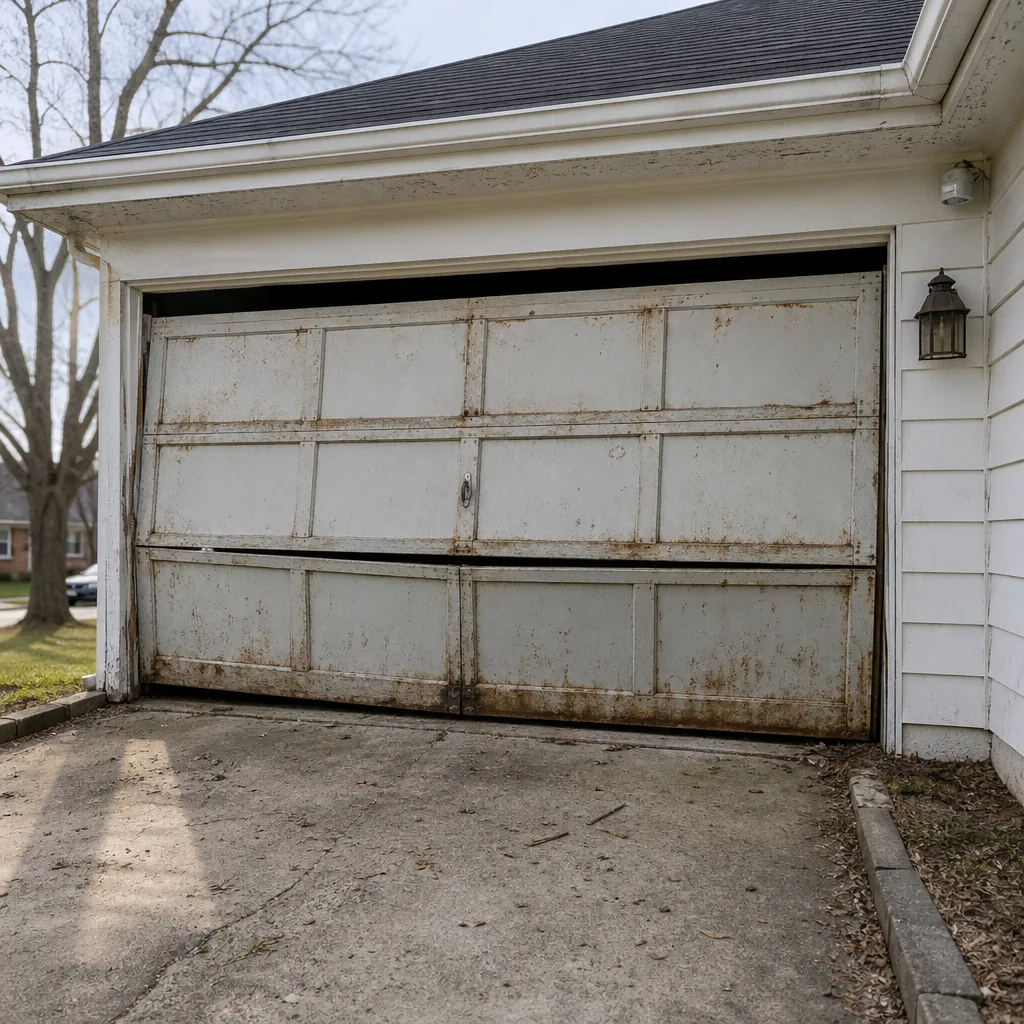 Before
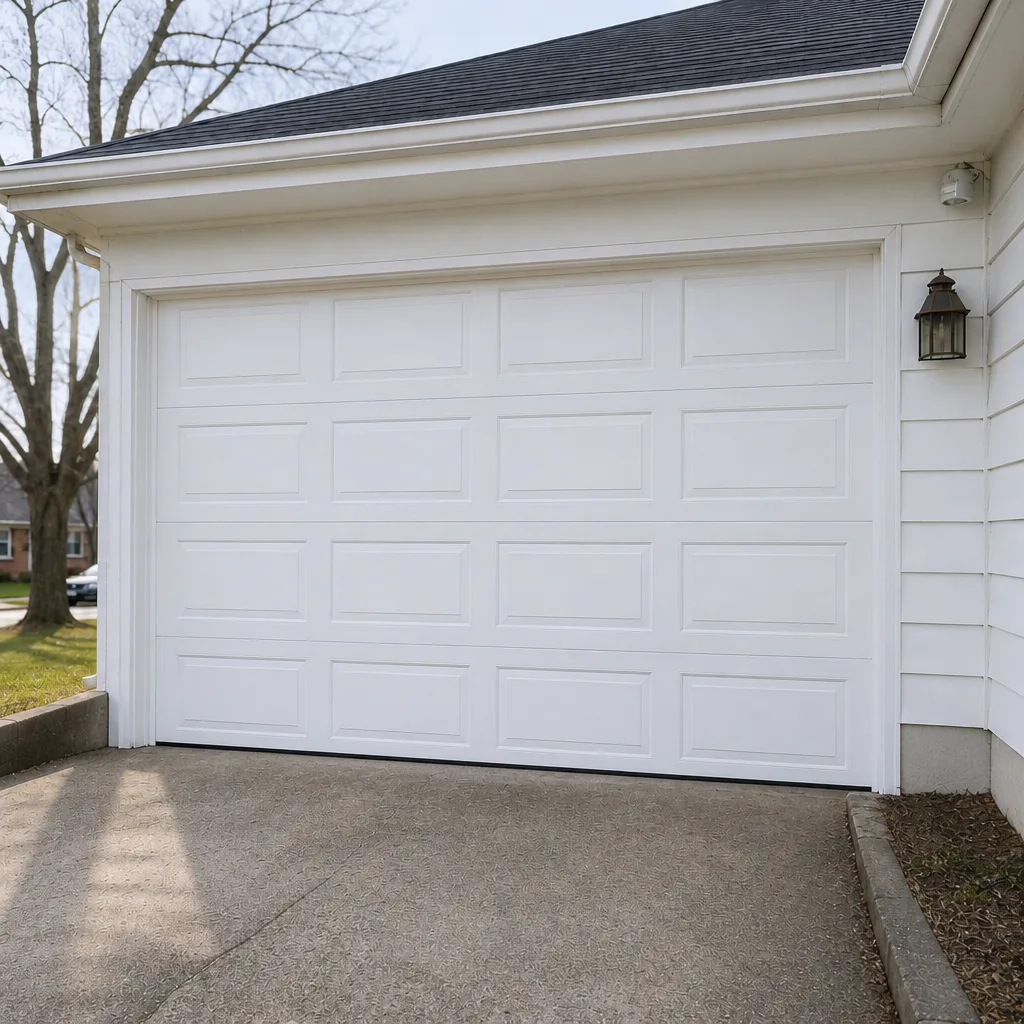 After
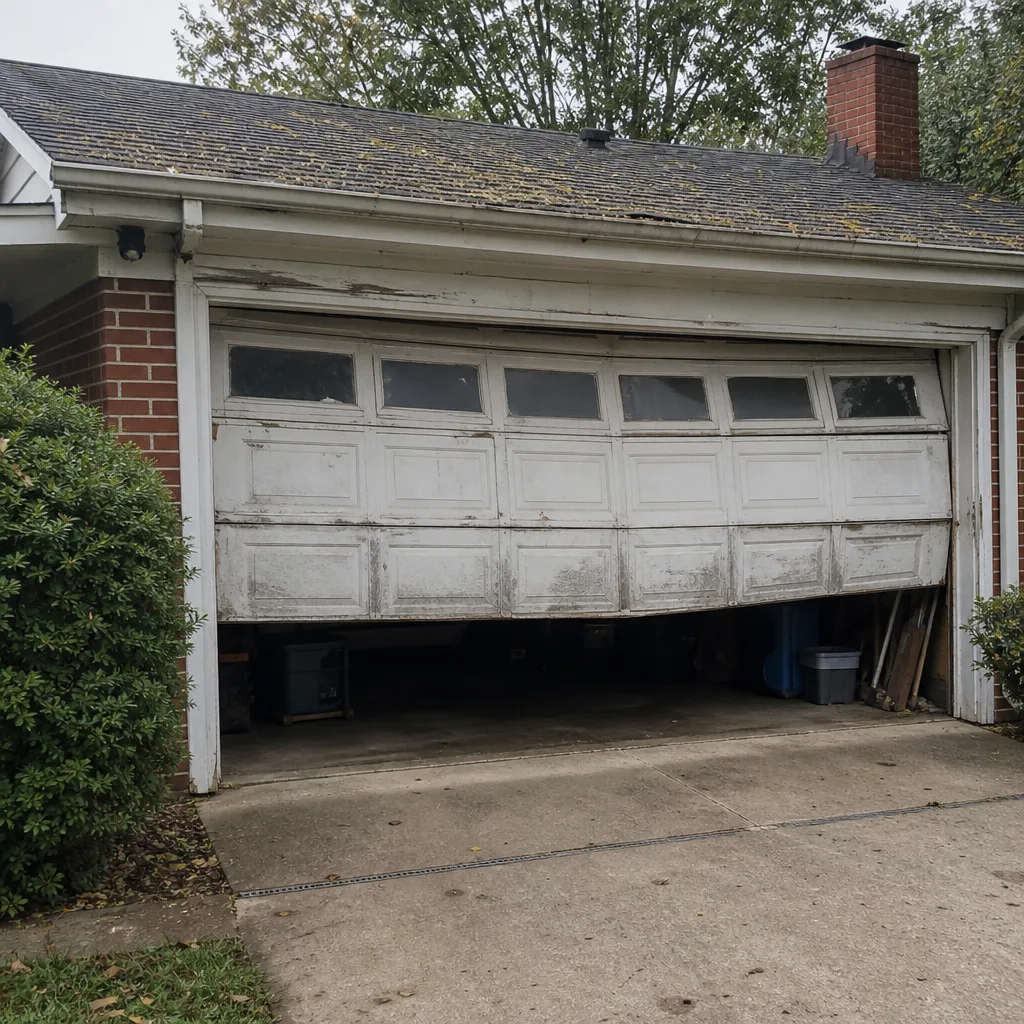 Before
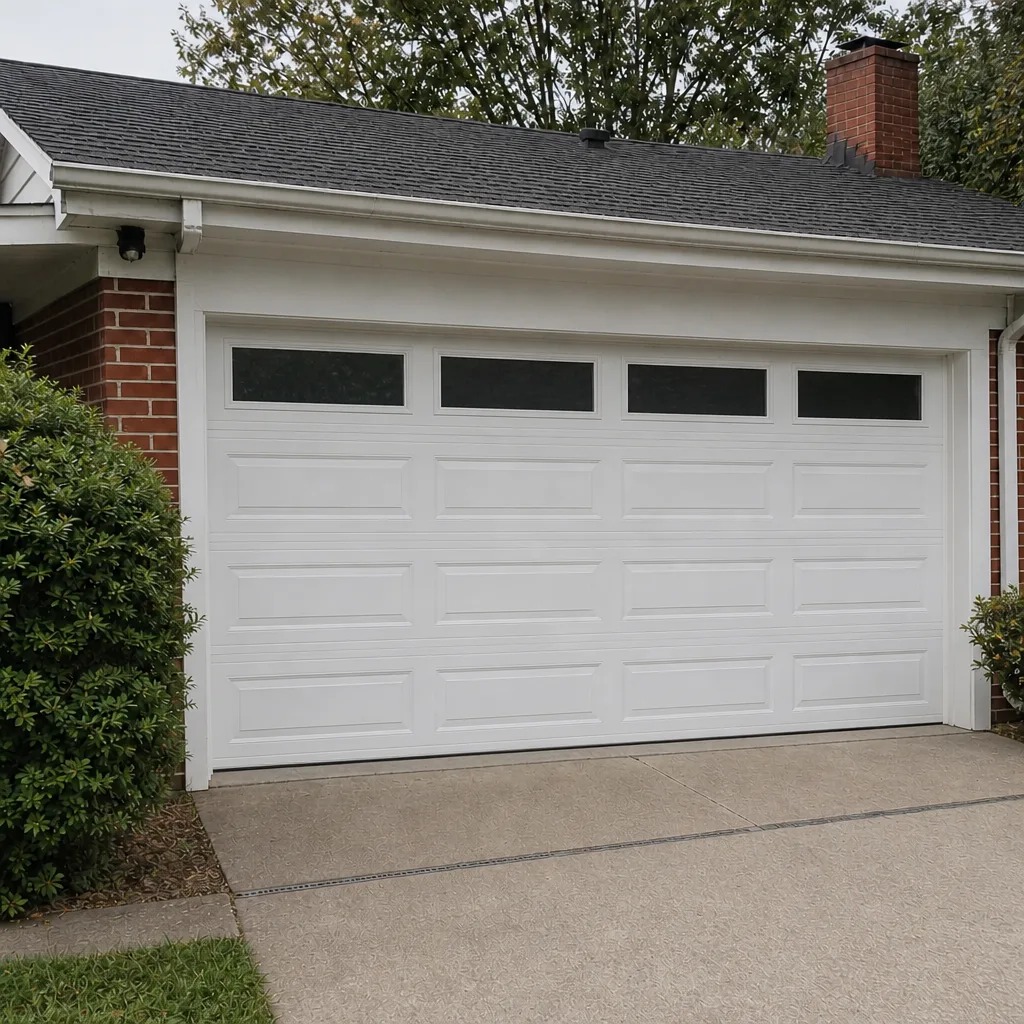 After
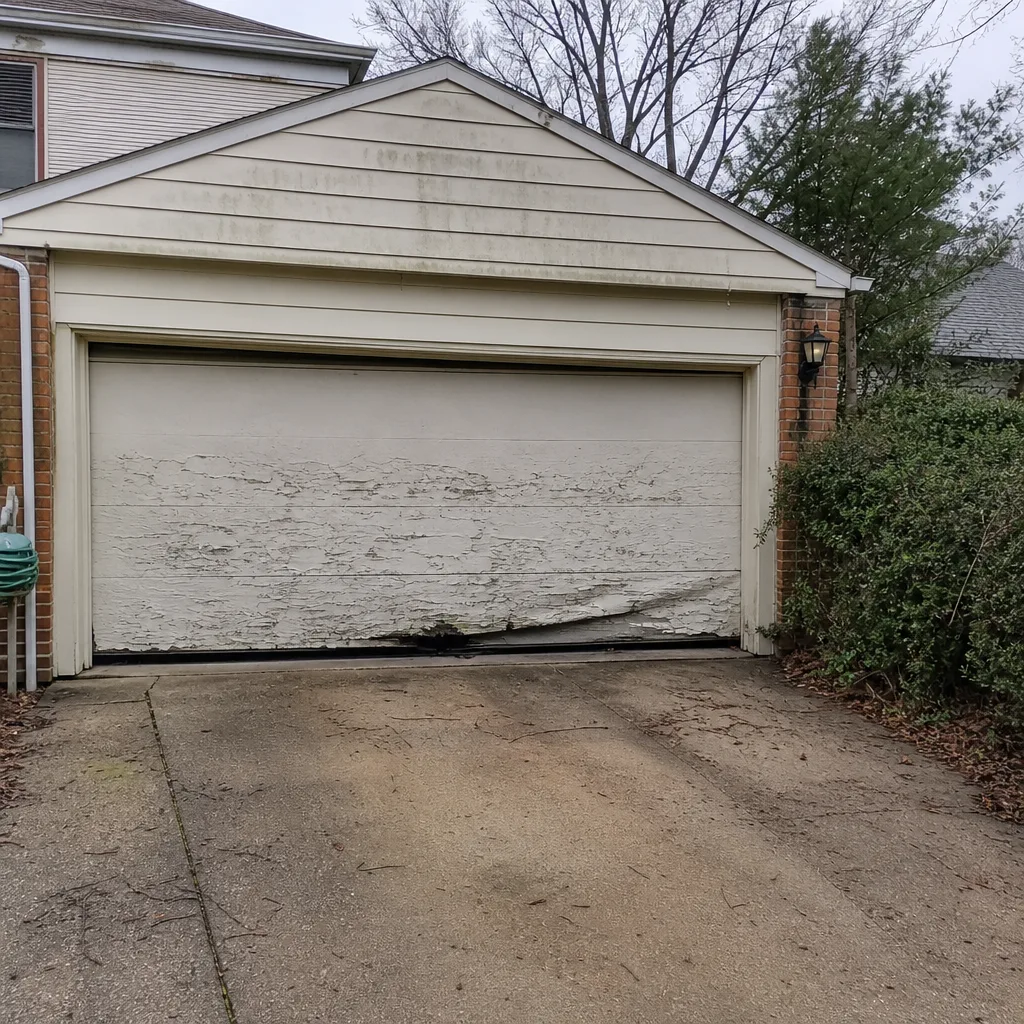 Before
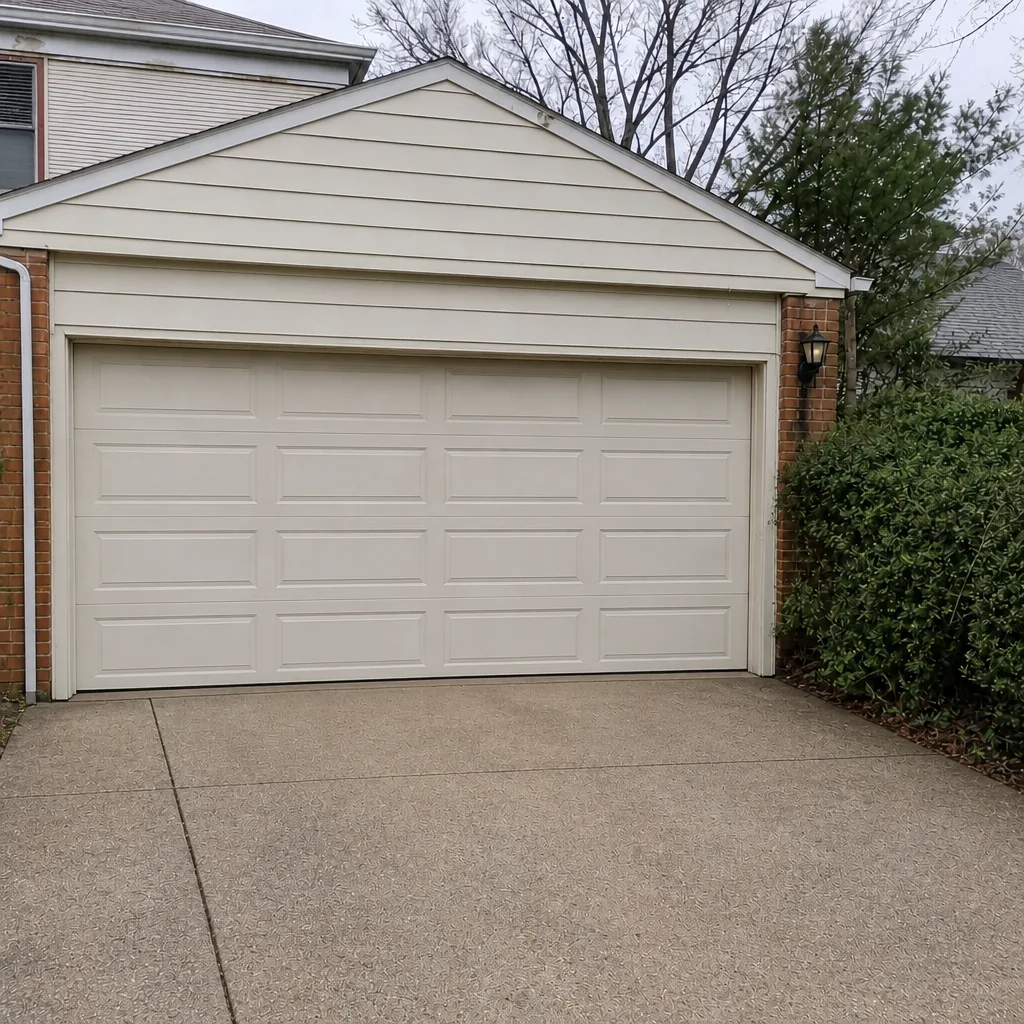 After
Frequently Asked Questions
There isn’t one best brand. For most Arlington homes, Clopay, Amarr, Wayne Dalton, or CHI offer the right balance of insulation, style, and local parts availability. The right choice depends on your home’s architecture, how you use the garage, and whether the parts are quickly sourced in the region. Call (844) 917-3733 for a free estimate and a brand recommendation tailored to your home.
New garage door installation in Arlington typically runs between $1,200 and $4,500 for a standard single door, depending on insulation, style, and hardware. Double doors and custom or full-view glass doors cost more. The written estimate sets the final price, and nothing is ordered until you’ve agreed to it. Call (844) 917-3733 for a free measure and quote.
Ask your contractor for the specific series and panel style, then ask where the replacement panels and springs come from. A good answer names a regional distributor or manufacturer source and offers to confirm availability before you order. If the answer is vague, the door is worth a second look. We’re happy to check availability before you buy; call (844) 917-3733.
Yes. Arlington’s humid summers and cold winters put real stress on an uninsulated door, causing condensation, panel warping, and extra strain on the opener. An insulated door stays more stable and, on an attached garage, helps keep heat and cool air from leaking into the house. Call (844) 917-3733 if you want help choosing the right insulation level for your door.
No. A premium door from a brand with limited local parts presence can cost more over time than a mid-tier door from a well-stocked brand, because repairs take longer and sometimes use substitute parts. Parts availability and service access often matter more than the brand on the label. Call (844) 917-3733 and we’ll compare the real long-term cost of your options.
No. New door installation is measured, ordered, and scheduled, because the door is configured to your opening, style, and hardware. Repairs and opener work can often be handled same day, but new installations book around the door’s lead time. Call (844) 917-3733 for a free measure and a written price.
The Bottom Line
The garage door brand you choose shapes how the door looks, how well it holds up to Arlington’s humidity and temperature swings, and how quickly it gets repaired when something fails. For most homes here, a mid-tier door from a brand with strong local parts availability – Clopay, Amarr, Wayne Dalton, or CHI – will serve you better over 15 years than a premium door from a brand that’s hard to source. Match the style to your home’s architecture, decode the warranty’s components before you buy, and confirm that panels and springs will be available when you need them. And treat spring work with the respect it deserves: it’s the most dangerous part of the system and belongs with a trained specialist.
Pryor Garage Door Repair is a dedicated garage door company serving Arlington. From spring repair and opener work to full new installations, we handle the whole lifecycle of your garage door and opener system under one name. Call (844) 917-3733 for a free estimate. We answer 24/7. Fast dispatch from 7am to 7pm, Sunday through Friday.
Written by the team at Pryor Garage Door Repair.